Where to Sell Handmade Crafts: Your Ultimate Guide
where to sell handmade crafts

Where to Sell Handmade Crafts: Your Ultimate Guide

Unlock your craft's potential and find the perfect marketplace for your unique creations, turning passion into profit.

Start Selling Now

Key Takeaways

  • ✓ The US handmade market is a multi-billion dollar industry with significant growth potential.
  • ✓ Online marketplaces offer global reach, while local markets provide direct customer interaction.
  • ✓ Understanding fees, shipping, and marketing is crucial for profitability.
  • ✓ Branding and high-quality product photography are vital for standing out.

How It Works

1
Define Your Niche & Audience

Identify what makes your crafts unique and who your ideal customer is. This clarity guides your platform choices and marketing efforts.

2
Choose Your Selling Channels

Select a mix of online platforms, local markets, and possibly your own website. Consider factors like fees, reach, and ease of use for each.

3
Optimize Product Presentation

Take high-quality photos, write compelling descriptions, and set competitive pricing. Professional presentation builds trust and attracts buyers.

4
Market & Engage with Customers

Promote your products through social media, email marketing, and community engagement. Build relationships to foster loyalty and repeat business.

Navigating the Digital Landscape: Online Marketplaces for Artisans
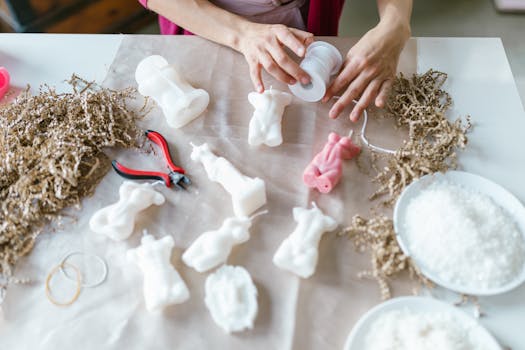
Discover the art of candle making with hands-on crafting sessions in this cozy indoor setup. Photo: RDNE Stock project / Pexels
For many crafters asking where to sell handmade crafts, online marketplaces are the first and most obvious answer. These platforms offer unparalleled reach, connecting artisans with millions of potential customers worldwide, or at least across the United States. However, not all online marketplaces are created equal, and understanding their nuances is key to selecting the right fit for your unique creations. The behemoth in this space is undoubtedly Etsy. Renowned specifically for handmade and vintage items, Etsy boasts a massive, engaged audience actively searching for unique, handcrafted goods. Its user-friendly interface, robust seller tools, and established buyer trust make it an excellent starting point for many. Sellers can create their own shop, list products, and manage orders with relative ease. However, this popularity comes with fees, including listing fees, transaction fees, and payment processing fees, which can add up. Moreover, the sheer volume of sellers means competition is fierce, requiring strong branding and excellent product photography to stand out. Beyond Etsy, several other platforms cater to different segments of the handmade market. Amazon Handmade, for example, offers a curated experience within the vast Amazon ecosystem. It requires an application process to ensure products are genuinely handmade, which can be a barrier for some but also ensures a higher quality perception for buyers. While it offers access to Amazon's enormous customer base and fulfillment services (FBA), its fees can be higher, and sellers must navigate Amazon's complex ecosystem. Another strong contender is Shopify, though it operates differently. Shopify isn't a marketplace; it's an e-commerce platform that allows you to build your own online store. This gives you complete control over your branding, design, and customer experience, with no transaction fees (beyond payment processing). However, it requires more effort in terms of marketing and driving your own traffic, as you don't benefit from an existing marketplace audience. For those ready to invest in their own brand and willing to manage their marketing efforts, Shopify offers immense potential for growth and brand building. Other specialized platforms also exist. For instance, ArtFire is another online marketplace for handmade goods, though it has a smaller audience than Etsy. It offers different membership tiers and a focus on community. Zibbet is another option that allows sellers to manage multiple sales channels from a single dashboard, including Etsy, Facebook, and their own website, streamlining inventory management. When considering these platforms, always weigh the pros and cons: audience size, fee structure, ease of use, seller support, and the level of control you desire over your brand. A hybrid approach, using a marketplace for initial exposure and building towards your own website, is often a smart long-term strategy for artisans looking to expand their reach and profitability. Understanding these digital avenues is the first critical step in successfully answering the question of where to sell handmade crafts and achieving sustained success.

Connecting Locally: Craft Fairs, Markets, and Brick-and-Mortar Opportunities

Colorful display of diverse artworks at an outdoor art fair highlighting contemporary styles. Photo: Craig Adderley / Pexels
While online selling offers global reach, local opportunities provide invaluable direct interaction with customers and a tangible connection to your community. For many crafters, asking where to sell handmade crafts locally opens up a world of seasonal markets, pop-up shops, and consignment arrangements that can significantly boost sales and brand recognition. Craft fairs, art festivals, and farmers' markets are cornerstone venues for selling handmade goods. These events allow customers to see, touch, and experience your products firsthand, which can be a powerful selling point for items like pottery, textiles, or intricate jewelry. The immediate feedback from customers can also be incredibly valuable for product development and understanding market demand. Researching local event calendars, art council websites, and community forums is the best way to find these opportunities. Factors to consider when choosing a fair include vendor fees, expected foot traffic, demographic of attendees, and the overall atmosphere of the event. A well-chosen fair can lead to significant sales, while a poorly chosen one might only cover your booth fee. Beyond traditional fairs, pop-up shops offer a flexible way to test new markets or capitalize on seasonal demand without the commitment of a permanent retail space. These can be solo ventures, or you can collaborate with other artisans to share costs and cross-promote. Renting a small space in a high-traffic area for a weekend or a few weeks can generate buzz and sales, especially during holidays. Social media is an excellent tool for promoting your pop-up shop to local audiences. Furthermore, partnering with existing brick-and-mortar stores can be a lucrative avenue. Many independent boutiques, gift shops, and galleries are keen to stock unique, locally made items. This can involve wholesale arrangements, where you sell your products to the store at a reduced rate, or consignment, where the store displays your items and takes a percentage of the sale only when an item is sold. Consignment is lower risk for the store but means you don't get paid until an item sells. When approaching local stores, always have a professional portfolio, clear pricing, and a well-defined brand story. Highlight what makes your product unique and how it aligns with their store's aesthetic and customer base. Don't overlook community events like school fundraisers, church bazaars, or local charity events, which can also provide selling opportunities, often with lower vendor fees and a supportive community atmosphere. These local avenues are not just about sales; they're about building relationships, gaining visibility, and establishing your brand within your community. For many artisans, a balanced approach combining both online and local selling strategies provides the most robust answer to where to sell handmade crafts, diversifying income streams and maximizing exposure.

Building Your Brand: The Power of a Personal Website and Social Media

A vibrant assortment of art supplies including paints, brushes, and pencils, featuring a heart motif. Photo: Michaela St / Pexels
While marketplaces and local events offer excellent starting points, truly establishing your presence and maximizing your profitability often involves building your own brand identity, primarily through a personal website and strategic social media engagement. When considering where to sell handmade crafts, think beyond just transactions and towards cultivating a loyal customer base that recognizes and values your unique artistry. A personal website, powered by platforms like Shopify, Squarespace, or Wix, offers complete control over your brand narrative. You dictate the design, layout, product presentation, and customer experience without the competition or algorithmic whims of a marketplace. This allows you to tell your story, showcase your creative process, and build a cohesive brand image that resonates deeply with your target audience. Your website becomes your digital storefront, always open, and entirely yours. While it requires more effort to drive traffic, the long-term benefits of brand ownership and direct customer relationships are immense. You retain a larger percentage of your sales, collect valuable customer data, and can foster direct relationships through email marketing and personalized communication. Complementing your website, social media platforms are indispensable tools for brand building and customer engagement. Instagram, with its visual focus, is particularly powerful for artisans. High-quality photos and videos of your crafts, behind-the-scenes glimpses of your creative process, and engaging stories can captivate an audience. Pinterest is another visual powerhouse, acting as a discovery engine where users actively seek inspiration and products. Pinning your products with direct links back to your website can drive significant traffic. Facebook, while broader, still offers opportunities through dedicated craft groups, local community pages, and targeted advertising. TikTok has also emerged as a powerful platform for short-form video content, allowing crafters to showcase their process and personality in a highly engaging format. The key to social media success isn't just posting pretty pictures; it's about authentic storytelling, consistent engagement, and building a community around your brand. Respond to comments, ask questions, run polls, and show the human side behind your handmade creations. Beyond direct sales, a strong brand presence through your website and social media can open doors to other opportunities, such as wholesale orders, custom commissions, press features, and collaborations with other artists or influencers. It elevates your craft from a hobby to a recognized business. Investing time and effort into professional photography, compelling product descriptions, and consistent branding across all platforms will pay dividends. This holistic approach, combining direct sales channels with robust brand building, provides a sustainable and scalable answer to the question of where to sell handmade crafts, positioning you for long-term success and creative fulfillment.

Essential Tips for Success: Maximizing Your Craft Sales

A collection of vibrant colored pencils spilling from a burlap bag on a wooden surface. Photo: Marek Ruczaj / Pexels
Selling handmade crafts is more than just making beautiful items; it's about running a small business. To truly succeed and maximize your sales, several key elements must be in place. * **High-Quality Photography is Non-Negotiable:** In an online world, your product photos are your storefront. Invest in good lighting (natural light is often best), a clean background, and multiple angles. Show your product in use or alongside objects to give a sense of scale. Blurry, poorly lit photos will deter buyers faster than almost anything else. * **Compelling Product Descriptions:** Don't just list features; tell a story. What inspired you? What materials did you use? What makes this item unique? Use keywords that potential buyers might search for. Be clear about dimensions, care instructions, and any customization options. * **Strategic Pricing:** This is often the hardest part. Your price must cover your material costs, your time (pay yourself a fair hourly wage!), platform fees, shipping costs, and a profit margin. Research competitor pricing, but don't undervalue your unique work. Consider tiered pricing for different options. * **Exceptional Customer Service:** Respond to inquiries promptly and politely. Address any issues or concerns professionally. A happy customer is a repeat customer and a powerful word-of-mouth marketer. Go above and beyond when possible. * **Understand Shipping Logistics:** Calculate shipping costs accurately, considering packaging materials and carrier rates. Offer clear shipping policies, including processing times and estimated delivery. Consider offering free shipping as a marketing tool, building the cost into your product price. * **Build an Email List:** Even if you primarily sell on marketplaces, try to capture customer emails (ethically, with their permission). This allows you to directly communicate new products, sales, or updates, bypassing platform algorithms. * **Consistent Branding:** From your product tags to your website, social media, and packaging, ensure your brand identity is cohesive. This builds recognition and trust. * **Analyze Your Data:** Pay attention to what sells, what doesn't, where your traffic comes from, and what marketing efforts yield the best results. Use this data to refine your strategy. * **Don't Be Afraid to Experiment:** The market constantly changes. Try new platforms, different pricing strategies, or new product lines. Learn from successes and failures alike. By focusing on these practical tips, you can significantly enhance your chances of success in the competitive world of selling handmade crafts.

Comparison

FeatureEtsyAmazon HandmadeShopify (Your Own Store)
Target AudienceHandmade & Vintage BuyersBroad Amazon ShoppersYour Niche Audience
Ease of SetupVery EasyModerate (Application)Moderate (Website Build)
Fees (Approx.)Listing, Transaction, PaymentMonthly, Referral, FBAMonthly Subscription, Payment
Brand ControlLimitedLimitedFull Control
Marketing EffortModerate (Within Platform)Low (Amazon Traffic)High (Drive Your Own Traffic)
Direct Customer DataLimitedVery LimitedFull Access
Global Reach

What Readers Say

"Etsy has been a game-changer for my pottery business. I started with a few pieces and now it's my primary income. The community and built-in audience are fantastic for where to sell handmade crafts."

Sarah J. · Austin, TX

"Selling at local craft fairs really boosted my confidence and gave me direct feedback on my jewelry. It's so rewarding to see people pick up and love my creations in person. It’s a great answer to where to sell handmade crafts locally."

Mark D. · Portland, OR

"Building my own Shopify store, while a lot of work, has paid off immensely. I have complete control over my brand and have seen a 40% increase in profit margins since moving off marketplaces for most sales."

Emily R. · New York, NY

"Amazon Handmade offers great exposure to a huge customer base, but the fees can be a bit steep. It's good for certain types of products, but I still use Etsy for my more unique, niche items."

David L. · Denver, CO

"Social media, especially Instagram, has been incredible for showcasing my custom textile art. It's where I connect with clients and drive traffic to my website. It's essential for where to sell handmade crafts today."

Jessica M. · Miami, FL

Frequently Asked Questions

What is the best platform where to sell handmade crafts for beginners?

For beginners, Etsy is often recommended due to its large, established audience specifically looking for handmade goods, and its relatively easy setup process. It provides a good starting point to learn the ropes of online selling without needing to drive all your own traffic.

How do I deal with shipping for handmade items?

Accurate shipping requires weighing your packaged item and knowing its dimensions. Use online shipping calculators from USPS, FedEx, or UPS. Consider offering flat-rate shipping or free shipping with the cost built into your product price. Always use tracking and consider insurance for valuable items.

How do I price my handmade crafts competitively?

A common formula is (Materials + Labor) x 2 or 3. 'Labor' should be your hourly wage multiplied by the hours spent. Add platform fees and shipping costs. Research similar items on various platforms to understand market rates, but don't undervalue your unique work.

Is it better to sell on a marketplace or my own website?

Each has pros and cons. Marketplaces offer immediate audience access but less brand control and higher fees. Your own website offers full control and higher profit margins but requires more effort to drive traffic. Many successful crafters use a hybrid approach, starting with a marketplace and building towards their own site.

What are some common mistakes to avoid when selling handmade crafts?

Avoid poor quality product photos, vague descriptions, inconsistent branding, underpricing your work, and neglecting customer service. Also, don't put all your eggs in one basket; diversify your selling channels to mitigate risks.

Who should consider selling handmade crafts as a business?

Anyone with a passion for creating and a desire to share their unique products with a wider audience. It's ideal for those who are organized, willing to learn about marketing and business, and committed to producing high-quality goods consistently.

How important is social media for selling crafts?

Social media is incredibly important for building your brand, engaging with potential customers, showcasing your creative process, and driving traffic to your selling platforms. It helps create a community around your products and can be a powerful marketing tool, especially for visual crafts.

What is the future trend for selling handmade goods?

The trend points towards increased personalization, sustainability, and direct-to-consumer sales. Artisans who can offer unique, eco-conscious products and build strong personal brands through their own websites and engaged social media will likely see the most success.

Ready to turn your passion into profit? The world is waiting for your unique creations. Explore these avenues and discover where to sell handmade crafts to reach your ideal customers and build a thriving artisan business today.

Topics: where to sell handmade craftsselling handmade goods onlinecraft fair tipsecommerce for artisansmaking money from crafts
Leo List

DK Escorts LU Escorts AT Escorts SE Escorts FI Escorts CH Escorts DE Escorts HR Escorts IE Escorts GR Escorts CZ Escorts NO Escorts BE Escorts FR Escorts SI Escorts IL Escorts NL Escorts PL Escorts HU Escorts ES Escorts IT Escorts PT Escorts SK Escorts RO Escorts ZA Escorts UY Escorts US Escorts UK Escorts NZ Escorts AU Escorts
Brampton weed
Adultwork EstrelaBet Vai de Bet R7 Bet Betão Galera Bet Rainbet Bet9ja Shop SportyBet BetKing Sisal Loto Foot Hollywoodbets YesPlay Odibets RushBet Jugabet BetWarrior BetCity MSport betPawa Fortebet