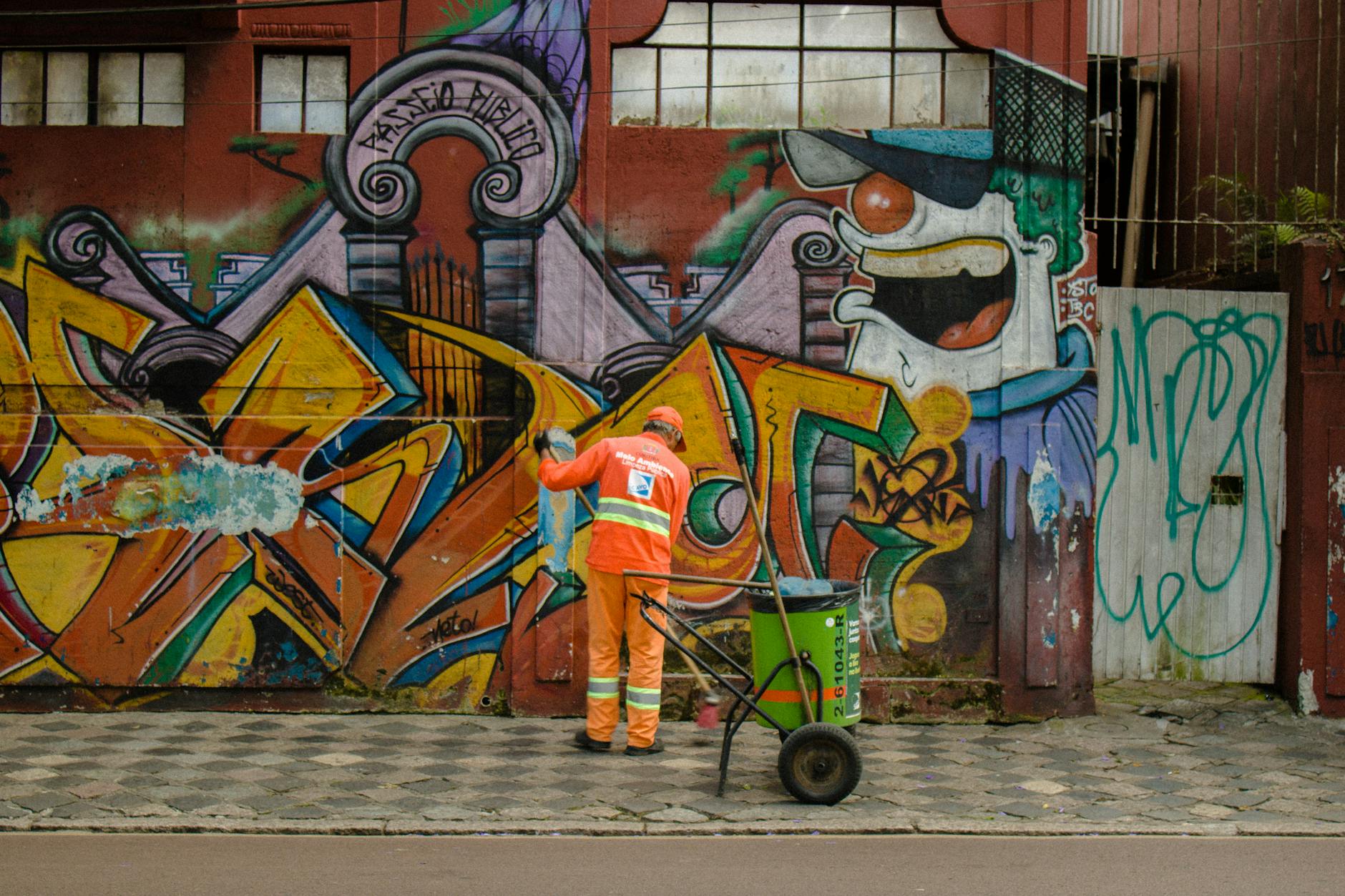
What is Street Art? Unpacking its History & Impact
what is street art

What is Street Art? Unpacking its History & Impact

Explore the vibrant world of street art, from its rebellious roots to its celebrated status in contemporary culture.

Explore Urban Art

Key Takeaways

  • ✓ Street art emerged from graffiti culture in the 1970s and 80s.
  • ✓ It encompasses diverse forms including murals, stencils, stickers, and installations.
  • ✓ Many pieces are created without official permission, challenging traditional art spaces.
  • ✓ Street art often carries social, political, or environmental messages.

How It Works

1
Origins in Rebellion

Street art's roots lie in the counter-culture movements, particularly graffiti, used by marginalized communities to claim space and voice opinions. It began as an act of rebellion against established norms.

2
Evolution of Forms

Over time, the techniques and mediums expanded far beyond simple tagging to include elaborate murals, intricate stencils, paste-ups, sculptures, and even performance art. This evolution broadened its aesthetic appeal and complexity.

3
Public Engagement

Unlike gallery art, street art is inherently public, accessible to everyone, regardless of socioeconomic status or art education. This democratizes art, sparking conversations and engaging diverse audiences directly in urban environments.

4
Cultural Impact

From local community beautification to global political statements, street art reshapes perceptions of public spaces and challenges societal norms. It has transformed from vandalism to a recognized and often celebrated art form, influencing fashion, music, and mainstream culture.

The Definitive Answer to What is Street Art?
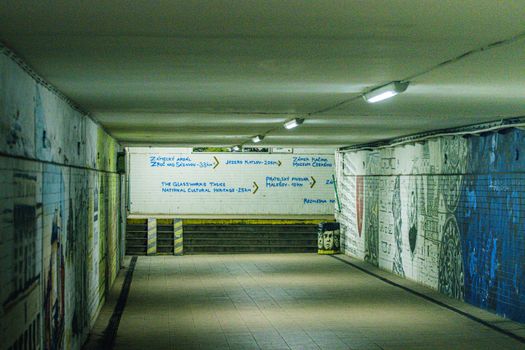
A well-lit underground pedestrian tunnel adorned with graffiti and informative signage. Photo: Jakub Secký / Pexels
To truly understand what is street art, we must first recognize its multifaceted nature. At its core, street art is visual art created in public spaces, typically outside the context of traditional art institutions. It's a broad umbrella term that encompasses a vast array of techniques, styles, and intentions, from the raw, spontaneous energy of graffiti tags to meticulously planned, large-scale murals that transform entire building facades. What unites these disparate forms is their public accessibility and often, their unsanctioned nature, which challenges conventional notions of ownership, space, and artistic legitimacy. It’s a dynamic and ever-evolving art form that constantly pushes boundaries, reflecting and shaping the urban landscape. Historically, street art emerged from the graffiti subculture of New York City in the 1970s and 1980s. Initially, graffiti was primarily about marking territory, asserting identity, and communicating within specific communities, often associated with hip-hop culture and gang activity. Over time, however, artists began to develop more intricate styles, focusing on aesthetics and message rather than just visibility. This evolution laid the groundwork for what we now recognize as street art, moving beyond simple lettering to incorporate imagery, characters, and complex narratives. Artists like Jean-Michel Basquiat (as SAMO) and Keith Haring, though later recognized in galleries, honed their craft and gained initial notoriety on the streets, blurring the lines between the underground and the fine art world. Their early work demonstrated the power of public space as a canvas for profound artistic expression and social commentary. The impact of these pioneers on contemporary art cannot be overstated. Street art is inherently democratic. It bypasses the gatekeepers of the art world—galleries, museums, and critics—and brings art directly to the people. This accessibility is one of its most defining characteristics and a significant part of its appeal. It transforms mundane walls, bridges, and sidewalks into open-air galleries, inviting anyone to engage with art on their daily commutes or strolls. This direct interaction often fosters a sense of community and sparks dialogue about the messages embedded within the artwork. Whether it's a powerful political statement, a whimsical character designed to bring joy, or an abstract piece meant to beautify a neglected area, street art engages its audience on a visceral level, often provoking thought and emotion in ways traditional art might not. The ephemeral nature of many street art pieces—subject to weather, wear, and removal—also adds to its unique allure, making each encounter potentially a fleeting, unrepeatable experience. Beyond its aesthetic qualities, street art often serves as a powerful medium for social and political commentary. Artists use public spaces to address pressing issues such as inequality, environmental degradation, human rights, and consumerism. By placing these messages in plain sight, they force public discourse and raise awareness in a way that traditional media might not. This activist dimension is a crucial component of what defines street art for many, turning urban environments into canvases for protest and platforms for marginalized voices. The ability to reclaim public space and use it for expression is a fundamental aspect of its identity, distinguishing it from purely decorative public art. It is a testament to the enduring power of art to instigate change and challenge the status quo, making it an indispensable part of modern cultural landscapes across the globe.

Diverse Forms and Techniques of Urban Art

Vibrant street art on a brick wall showcasing urban creativity and design. Photo: Karolina Grabowska www.kaboompics.com / Pexels
The evolution of street art has led to an incredible diversification of its forms and techniques, moving far beyond the spray-painted tags of its origins. Understanding this variety is key to appreciating the full scope of what is street art today. One of the most recognizable forms is the mural, which involves large-scale paintings directly on walls. These can be commissioned pieces, often celebrating local history or community heroes, or unsanctioned works that transform drab surfaces into vibrant visual narratives. Murals often require significant planning and skill, sometimes involving scaffolding and specialized paints, and can take days or weeks to complete. They represent a more permanent and often publicly accepted form of street art, frequently becoming landmarks in their respective cities. Stencil art, popularized by artists like Banksy, offers another distinct approach. This technique involves cutting out designs from a material (like cardboard or plastic) and then spraying paint over the stencil to transfer the image onto a surface. Stencils allow for rapid execution and replication, making them effective for disseminating messages quickly and widely. They often feature crisp lines and iconic imagery, capable of conveying complex ideas with stark simplicity. The anonymity often associated with stencil artists adds an intriguing layer to their work, focusing attention on the message rather than the creator. This method has become a powerful tool for political satire and social commentary, allowing artists to bypass traditional art world constraints and directly engage with public consciousness. Paste-ups, or wheatpastes, involve printing images or designs on paper and then adhering them to walls using a wheat-based glue. This technique allows artists to create detailed, intricate works in a studio setting and then quickly install them in public. Paste-ups can range from small, intricate drawings to large, multi-panel compositions. They offer a certain degree of impermanence, as they are susceptible to weather and removal, which adds to the dynamic and ever-changing nature of the urban art landscape. Sticker art, or 'slaps,' is a simpler, more immediate form, often involving pre-printed stickers with unique designs or messages that are quickly affixed to various surfaces. These can be highly effective for widespread distribution and creating an immediate visual impact, often carrying personal branding or quick statements. Beyond these common forms, street art also encompasses an array of less conventional techniques. Yarn bombing, for instance, involves knitting or crocheting colorful yarn around objects in public spaces, transforming them with soft, textile coverings. This often whimsical and non-destructive form challenges the perception of street art as solely paint-based. Mosaics, often made from broken tiles or glass, can create intricate, durable public art pieces. Light projections, temporary installations, and even performance art in public spaces also fall under the expansive umbrella of street art, demonstrating its continuous innovation and refusal to be confined by strict definitions. Each technique offers unique advantages and contributes to the rich tapestry of urban artistic expression, further solidifying its place as a dynamic and vital component of contemporary culture.

The Global Impact and Evolution of Street Art Culture
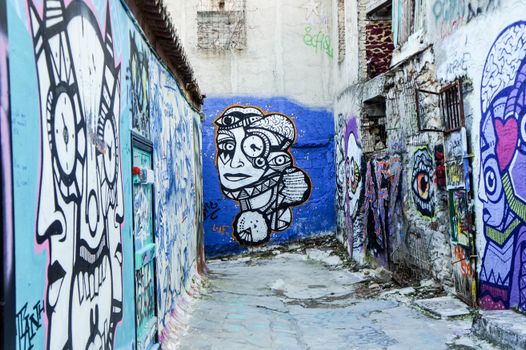
Colorful graffiti art adorns the walls in a narrow alley in Athens, showcasing urban creativity. Photo: Thanos Skoufitsas / Pexels
The global impact of street art extends far beyond its origins, transforming urban landscapes and influencing culture across continents. What began as localized acts of rebellion has blossomed into a worldwide phenomenon, with distinct styles and movements emerging in cities like Berlin, Melbourne, São Paulo, and Bristol, each contributing to the rich tapestry of what is street art today. In Europe, cities like Berlin became epicenters for street art after the fall of the Wall, with artists reclaiming vast expanses of previously restricted surfaces. The East Side Gallery, a preserved section of the Berlin Wall, is perhaps one of the most iconic examples, featuring murals that commemorate a pivotal moment in history and serve as a powerful symbol of freedom and artistic expression. Similarly, Bristol, UK, is renowned as the home of Banksy, whose satirical stencils have achieved global fame and sparked conversations about art, commerce, and social justice. These movements highlight the diverse regional flavors street art can adopt. In Latin America, particularly in Brazil and Mexico, street art often reflects deep-seated political and social issues, drawing on indigenous aesthetics and revolutionary traditions. São Paulo is famous for its vibrant 'pixação' (a unique form of tagging) and large-scale murals that often address themes of inequality, urban decay, and cultural identity. Artists use bold colors and powerful imagery to convey messages that resonate deeply within their communities. These works are not merely decorative; they are vital expressions of collective identity and resistance. The sheer scale and visual impact of these pieces are awe-inspiring, demonstrating how street art can become an integral part of a city's visual and cultural identity. The increasing recognition of street art has also led to its complicated relationship with commercialization and gentrification. What was once seen as vandalism is now often celebrated, with cities commissioning murals to revitalize neighborhoods, attract tourism, and foster a sense of civic pride. Street art festivals are held globally, bringing together artists from around the world to create new works and engage with local communities. While this mainstream acceptance offers artists new opportunities and resources, it also raises questions about authenticity, commercial exploitation, and the potential loss of the art form's rebellious edge. Some argue that when street art becomes sanctioned, it loses some of its critical power, transforming from a defiant act into a decorative commodity. However, others view it as a natural progression, allowing the art form to reach wider audiences and achieve greater impact. Ultimately, street art continues to evolve, constantly adapting to new technologies, social contexts, and urban environments. From ephemeral chalk drawings to permanent mosaic installations, from politically charged statements to purely aesthetic interventions, it remains a powerful and accessible art form that challenges, beautifies, and reflects our world. Its global spread and diverse manifestations underscore its universal appeal and its enduring capacity to connect with people on a deeply human level, proving that the street itself is one of the most vital and dynamic canvases for artistic expression. This ongoing evolution ensures that the question of what is street art will always invite new answers and interpretations, making it an endlessly fascinating field of study and appreciation.

Navigating the Ethics and Legality of Street Art
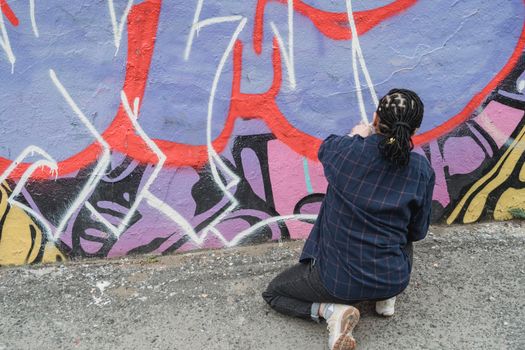
Street artist adds colorful graffiti to urban wall, showcasing creativity. Photo: Felicity Tai / Pexels
One of the most complex and often debated aspects of what is street art revolves around its legality and ethical implications. By its very definition, much street art is created without explicit permission from property owners, placing it in a legal grey area or, more often, squarely in the realm of vandalism. This unauthorized creation is precisely what gives many forms of street art their rebellious edge and critical power. It’s an act of reclaiming public space, challenging authority, and asserting a presence in an environment often dominated by commercial advertising or bland architecture. For many artists and enthusiasts, the risk of legal repercussions—fines, arrest, or property damage charges—is an inherent part of the art form's appeal and message. However, the line between vandalism and art is often blurry and subject to subjective interpretation. What one person views as defacement, another might see as a powerful cultural statement or a beautiful addition to the urban fabric. This dichotomy fuels ongoing debates in communities worldwide. Property owners often face significant costs for removal and feel their rights are violated, while artists argue for freedom of expression and the right to beautify or comment on public spaces. Cities themselves grapple with this, sometimes prosecuting artists while simultaneously commissioning other street artists for public projects, creating a paradoxical situation where the same activity is both condemned and celebrated. This tension has led to the emergence of legal walls and designated art zones in many cities, offering artists sanctioned spaces to create without fear of legal repercussions. While these initiatives provide valuable opportunities for artistic expression and community engagement, some purists argue that they strip street art of its raw, rebellious essence. They believe that true street art must carry the risk of illegality to maintain its authenticity and critical voice. This debate underscores the fundamental philosophical questions street art raises about public space, ownership, and the role of art in society. From an ethical standpoint, artists often consider the impact of their work. Is it respectful of the community? Does it cause undue damage? Is it creating a positive or negative message? These considerations, though not always adhered to, are part of the internal dialogue within the street art community. The legality and ethics of street art are not static; they evolve with societal perceptions, legal frameworks, and the changing nature of the art form itself, making it a continuously dynamic and thought-provoking aspect of urban culture. Understanding these complexities is crucial to fully grasp the multifaceted world of street art.

Comparison

FeatureStreet ArtTraditional Gallery ArtPublic Sculpture
AccessibilityHigh (public spaces)Low (galleries, museums)High (public spaces)
LegalityOften unauthorizedSanctioned, curatedCommissioned, planned
AudienceMass public, diverseArt enthusiasts, patronsMass public, diverse
LongevityOften ephemeralDesigned for permanenceDesigned for permanence
Primary PurposeSocial commentary, expressionAesthetic, investmentBeautification, memorial

What Readers Say

"This article beautifully articulates what is street art, clarifying its origins and diverse forms. I now see the murals in my neighborhood with a much deeper appreciation for their history and meaning. It's truly eye-opening."

Sarah Chen · Brooklyn, NY

"As someone who's always been fascinated by urban art, this piece was incredibly informative. It clearly explains the evolution from graffiti to complex art forms, making me understand the 'why' behind the art I see daily."

Mark Ramirez · Los Angeles, CA

"Before reading, I mostly thought of street art as just graffiti. This article completely changed my perspective, showing the incredible artistic skill and powerful messages involved. I now actively seek out street art tours in new cities."

Jessica Lee · Chicago, IL

"A very comprehensive overview of street art. While it covered most aspects, I would have loved to see a bit more on specific regional differences within the US. Still, an excellent resource for understanding this art form."

David Gupta · Miami, FL

"This article gave me the confidence to talk about street art with more authority. Its breakdown of techniques like stencils and paste-ups was particularly helpful. It made a complex topic accessible and engaging."

Emily White · Portland, OR

Frequently Asked Questions

What is the primary difference between street art and graffiti?

While street art evolved from graffiti, graffiti traditionally focuses on stylized lettering, tags, and asserting identity, often within a subculture. Street art, in contrast, encompasses a broader range of artistic forms like murals, stencils, and installations, often with more overt imagery and messages aimed at a wider public, though both can be unauthorized.

Is street art always illegal?

No, not always. While much street art is created without permission, many cities and organizations now commission street artists for murals and public art projects. There are also 'legal walls' or designated zones where artists can create freely, blurring the line between sanctioned and unsanctioned work.

How can I find street art in my city?

Many cities offer guided street art tours, which are an excellent way to discover local pieces and learn about the artists. You can also use apps like Google Maps to search for 'street art' or 'murals' in your area, or simply explore vibrant, urban neighborhoods on foot, as street art is often found in unexpected places.

What tools do street artists typically use?

The tools vary widely depending on the technique. Spray paint is common for murals and stencils. Stencil artists use cut-out templates. Paste-up artists use printed images and wheatpaste. Other tools include brushes, rollers, markers, stickers, and even yarn for 'yarn bombing.' The choice of tool depends on the desired effect and medium.

How does street art contribute to urban development?

Street art can significantly contribute to urban development by revitalizing neglected areas, attracting tourism, fostering community pride, and deterring more destructive forms of vandalism. It transforms drab spaces into vibrant cultural destinations, often sparking local businesses and increasing foot traffic, thereby enhancing the overall urban experience.

Who should appreciate street art?

Anyone with an interest in art, culture, social commentary, or urban environments should appreciate street art. Its accessibility and diverse messages make it appealing to a broad audience, from seasoned art collectors to casual observers, as it offers a unique lens through which to view society and artistic expression.

Is street art safe to view in all neighborhoods?

While most street art is in public spaces, it's always wise to exercise general caution when exploring unfamiliar neighborhoods, especially at night. Research the area beforehand or join a guided tour if you have concerns. Generally, daytime viewing in well-trafficked areas is safe and enjoyable.

What are the future trends for street art?

Future trends in street art include increased integration of digital elements like augmented reality (AR) and projection mapping, greater focus on environmental themes and sustainable materials, and continued evolution in its relationship with commercial and institutional art worlds. We may also see more interactive and community-driven projects.

Ready to deepen your understanding of urban culture and artistic expression? Explore what is street art firsthand by visiting a local mural, joining a street art tour, or researching artists in your community. Let the streets be your gallery and discover the powerful narratives they hold.

Topics: what is street artstreet art historygraffiti arturban art movementpublic art
Leo List
Brampton weed
Adultwork EstrelaBet Vai de Bet R7 Bet Betão Galera Bet Rainbet Bet9ja Shop SportyBet BetKing Sisal Loto Foot Hollywoodbets YesPlay Odibets RushBet Jugabet BetWarrior BetCity MSport betPawa Fortebet