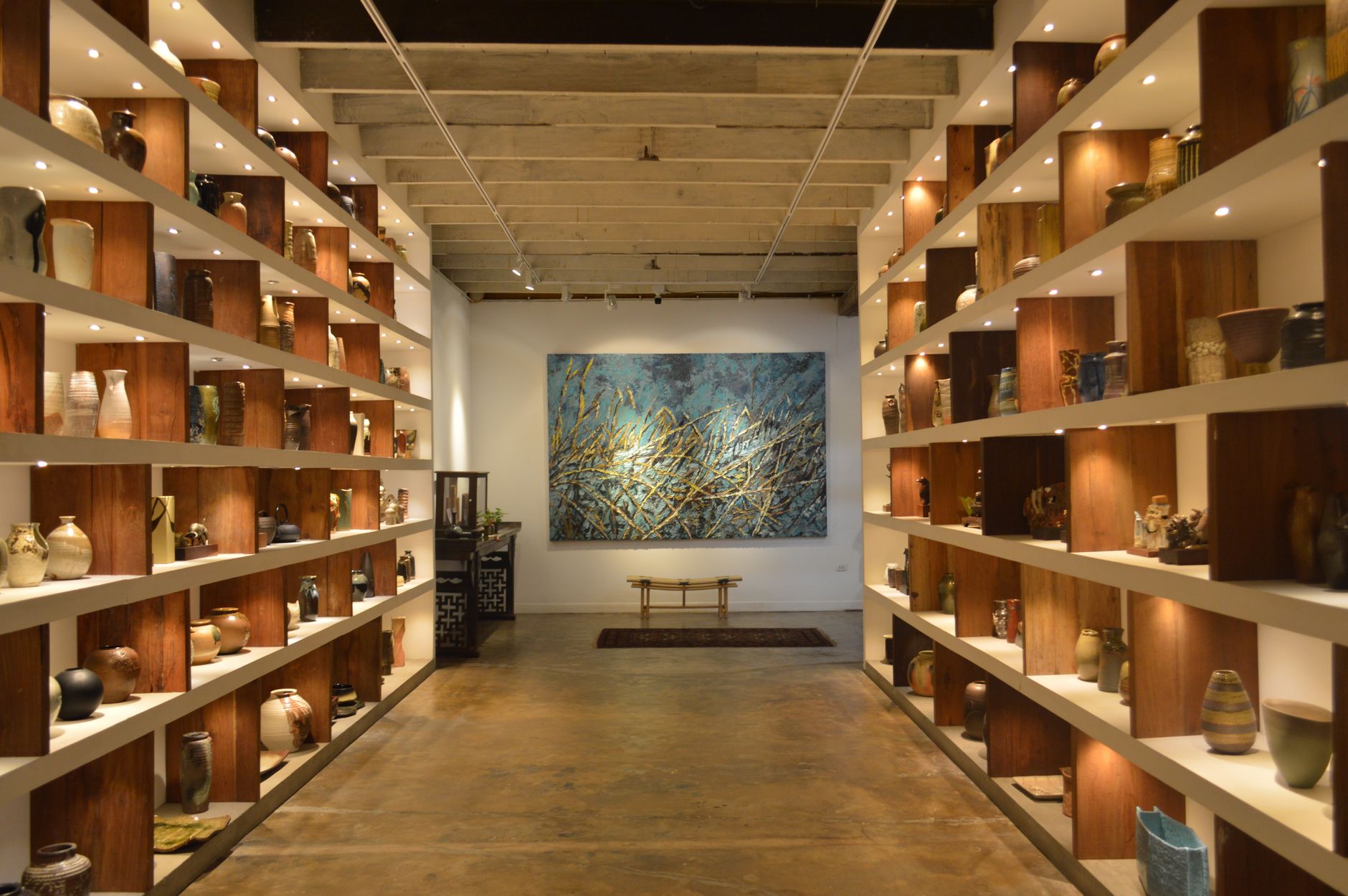
What is Contemporary Art? A Deep Dive for Modern Enthusiasts
what is contemporary art

What is Contemporary Art? A Deep Dive for Modern Enthusiasts

Explore the vibrant, diverse, and often challenging world of contemporary art, understanding its core principles and cultural significance.

Discover Contemporary Art

Key Takeaways

  • ✓ Contemporary art generally refers to art made from the 1960s or 1970s to the present day.
  • ✓ It is characterized by extreme diversity in medium, style, and subject matter.
  • ✓ Often challenges traditional notions of art, beauty, and purpose.
  • ✓ Frequently engages with social, political, and cultural issues of its time.

How It Works

1
Define the Timeline

Understand that 'contemporary' typically means 'of the moment,' usually starting from the post-Pop Art era in the mid-20th century. This distinguishes it from 'modern art,' which predates it.

2
Embrace Diversity

Recognize that contemporary art lacks a single unifying style or movement. It encompasses a vast array of approaches, from painting and sculpture to performance, video, and digital art.

3
Contextualize Meaning

Appreciate that much contemporary art is conceptual, with its meaning often derived from the ideas, intent, and social context surrounding the artwork, rather than purely aesthetic appeal.

4
Engage Critically

Approach contemporary art with an open mind, ready to question, interpret, and discuss. It often prompts dialogue and reflection on current events and human experience.

Defining Contemporary Art: Beyond the Canvas
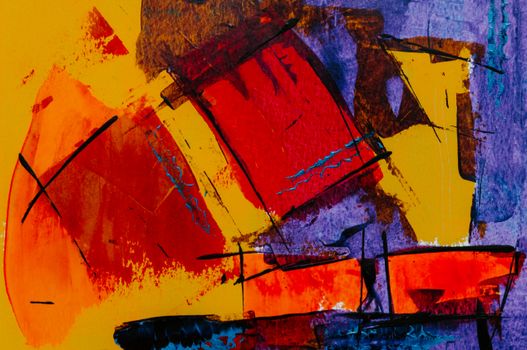
Colorful abstract painting blending red, purple, and yellow hues on canvas. Photo: Steve A Johnson / Pexels
To truly grasp what is contemporary art, we must first liberate ourselves from preconceived notions of what art 'should' be. Unlike earlier periods defined by distinct styles or schools, contemporary art, broadly speaking, refers to art created from the 1960s or 1970s up to the present moment. This timeframe immediately signals a departure from the historical confines of 'modern art,' which typically spans from the late 19th century to the mid-20th century. While modern art sought to break with academic traditions and explore new forms, contemporary art takes this liberation to an entirely new level, embracing an unprecedented diversity of materials, concepts, and practices. At its core, contemporary art is characterized by its immediacy and its engagement with the present. It reflects and comments on the complex, rapidly evolving world we inhabit, touching upon themes like globalization, technology, identity, environmental concerns, social justice, and political upheaval. This often means that the art can feel raw, provocative, or even unsettling, designed to challenge viewers' perceptions and provoke thought rather than simply offer beauty or comfort. The 'art object' itself might be fleeting, experiential, or even intangible, pushing the boundaries of what can be considered a work of art. Performance art, video installations, digital art, sound art, and site-specific installations are as much a part of the contemporary landscape as traditional painting and sculpture, often blurring the lines between disciplines. Understanding this expansive definition is the first crucial step in appreciating the breadth and depth of the contemporary art world. It's a field where the artist's intent and the viewer's interpretation often carry as much weight as the aesthetic qualities of the work itself. This constant questioning and redefinition are what make contemporary art so dynamic and endlessly fascinating, serving as a mirror to our collective consciousness. It invites us to consider not just what we see, but what we feel, what we think, and what we believe about the world around us. This engagement is vital for anyone interested in the broader cultural conversation.

Key Characteristics and Enduring Themes of Contemporary Art

A couple in green attire observes modern art in a minimalist gallery. Photo: cottonbro studio / Pexels
The defining characteristics of contemporary art are less about a singular style and more about a shared spirit of inquiry and experimentation. One of its most striking features is its multidisciplinary nature. Artists are no longer confined to a single medium; they fluidly move between painting, sculpture, photography, video, installation, performance, digital art, and even bio-art or virtual reality. This cross-pollination allows for richer, more complex expressions that often defy easy categorization. Furthermore, contemporary art frequently emphasizes concept over aesthetics. While visual appeal can be a component, the underlying idea, message, or question posed by the artist is often paramount. This conceptual focus means that understanding the context, the artist's statement, or the historical backdrop can be crucial for fully appreciating a work. Another hallmark is its global perspective. With increased interconnectedness, contemporary art is truly international, drawing influences from diverse cultures and addressing universal themes from varied viewpoints. Artists from different continents engage in dialogue, challenging Western-centric narratives and offering fresh perspectives on shared human experiences. This global lens also brings with it a strong emphasis on identity – exploring gender, race, sexuality, nationality, and individual subjectivity in ways that were often marginalized in previous art movements. Social and political commentary is also a pervasive theme. Many contemporary artists use their platforms to critique societal injustices, advocate for change, or simply provoke discussion on pressing issues, from climate change to human rights. The art becomes a vehicle for activism and reflection, inviting viewers to confront uncomfortable truths or consider alternative realities. This active engagement with the world distinguishes contemporary art from earlier periods that might have prioritized formal concerns or spiritual transcendence. It’s art that lives and breathes with the times, constantly evolving and reflecting the ever-shifting landscape of human experience and thought. The audience's role is not passive; it's an active participant in meaning-making, bringing their own experiences and perspectives to interpret the work, thereby completing the artistic dialogue. This continuous evolution and responsiveness to current events ensure that contemporary art remains a vibrant and essential part of the cultural fabric, perpetually challenging and inspiring its viewers.

The Evolution: From Modern to Contemporary Art

Understanding the transition from modern to what is contemporary art is essential for discerning the nuances between these often-confused terms. While both movements represent breaks from tradition, their methodologies and philosophical underpinnings differ significantly. Modern art, spanning roughly from the 1860s to the 1970s, was characterized by a series of 'isms' – Impressionism, Cubism, Surrealism, Abstract Expressionism, etc. Each movement sought to innovate within specific formal boundaries, often exploring new ways of seeing, new techniques, or new psychological landscapes. The focus was largely on the autonomy of the artwork, its self-referential qualities, and the artist's individual genius. Modernism was about finding new forms to express a changing world, but often still within the established framework of painting, sculpture, and drawing, albeit with radical reinterpretations. Contemporary art, emerging in the wake of movements like Pop Art and Minimalism, largely abandoned the idea of a singular, dominant style or a linear progression of 'isms.' Instead, it embraced pluralism, eclecticism, and a critical engagement with art history itself. Postmodernism, a philosophical and cultural movement that heavily influenced contemporary art, questioned grand narratives, objective truth, and the very notion of artistic originality. This led to a greater emphasis on appropriation, pastiche, and a blurring of high and low culture. Artists began to challenge institutional structures, the commodification of art, and the role of the viewer. The work often became less about the 'masterpiece' and more about the 'experience' or the 'discourse' it generated. The shift also saw a significant expansion in the types of materials and processes artists employed, moving beyond traditional art supplies to incorporate everyday objects, industrial materials, and new technologies. This evolution reflects a broader cultural shift towards questioning authority, celebrating diversity, and engaging with complex global issues. It transformed the art world from a relatively contained space of aesthetic exploration into a dynamic arena for social commentary, intellectual debate, and personal expression, making it a critical aspect of understanding cultural history.

Navigating Contemporary Art: Tips for the Curious Viewer

For many, contemporary art can seem daunting, inaccessible, or even perplexing. However, with a few key approaches, you can unlock a richer and more rewarding experience. The primary mistake people make is approaching contemporary art with the same expectations they have for classical or even modern art. Here are some tips to enhance your engagement: * **Read the Wall Text:** This is perhaps the most crucial tip. Contemporary art often relies heavily on the artist's statement, the curator's explanation, and the context of its creation. The wall text provides invaluable insights into the artist's intent, the materials used, and the themes explored. Without it, you might miss the entire point of the work. * **Embrace Open-Mindedness:** Let go of the need for an artwork to be 'beautiful' in a traditional sense. Contemporary art often prioritizes ideas, emotion, or social commentary over conventional aesthetics. Be open to challenging your own perceptions of what art can be. * **Ask Questions:** Don't be afraid to ask yourself: 'What is the artist trying to communicate?' 'What materials are being used and why?' 'How does this make me feel?' 'What societal issues might this be addressing?' Engaging with these questions fosters deeper understanding. * **Research the Artist and Context:** A little background knowledge about the artist's biography, previous works, or the specific cultural moment in which the art was made can profoundly change your interpretation. * **Visit Diverse Venues:** Contemporary art isn't just in major museums. Explore smaller galleries, artist-run spaces, and public art installations. These venues often showcase cutting-edge work and provide a more intimate viewing experience. * **Engage in Discussion:** Talk about the art with friends, fellow viewers, or online communities. Hearing different perspectives can broaden your own understanding and appreciation. * **Don't Expect Immediate Answers:** Some contemporary art is designed to linger, to provoke thought long after you've left the gallery. It's okay if you don't 'get it' immediately; the process of contemplation is part of the experience. By adopting these strategies, you'll find that contemporary art, far from being impenetrable, offers a vibrant and thought-provoking dialogue with the world.

Comparison

FeatureContemporary ArtModern ArtClassical Art
Time Period1960s/70s - Present1860s - 1970sAncient to 18th Century
Dominant StylePluralistic, DiverseSeries of 'isms' (e.g., Cubism)Realism, Idealism, Tradition
MediumsAny + New TechTraditional + PhotographyPainting, Sculpture, Architecture
FocusConcept, Social IssuesForm, InnovationAesthetics, Narrative, Religion
Audience RoleActive InterpreterAppreciator, CriticObserver

What Readers Say

"This article completely changed my perspective on what is contemporary art. I always found it intimidating, but now I feel equipped to engage with it more thoughtfully at galleries. It's truly eye-opening!"

Sarah L. · Brooklyn, NY

"As an aspiring artist, understanding the nuances of contemporary art is crucial. This guide provided a fantastic framework, especially the distinction from modern art. Highly recommend for anyone in the arts."

David M. · Los Angeles, CA

"I used to walk past contemporary pieces feeling confused, but after reading this, I've started visiting local galleries with a new sense of curiosity. My appreciation for challenging art has definitely grown, leading to more engaging museum visits."

Elena R. · Chicago, IL

"The article is incredibly thorough and helpful. While some concepts still require multiple readings, the 'Tips for the Curious Viewer' section was particularly practical and made a real difference in my next gallery visit."

Mark T. · Seattle, WA

"I'm a casual art lover, and this piece made what is contemporary art accessible without dumbing it down. It sparked a genuine interest in exploring more experimental forms of art in my city."

Jessica P. · Miami, FL

Frequently Asked Questions

What is the main difference between modern and what is contemporary art?

Modern art generally refers to art created from the 1860s to the 1970s, characterized by a break from traditional forms and a focus on new styles and techniques. Contemporary art, on the other hand, covers art from the 1960s/70s to the present, distinguished by its extreme diversity in medium and concept, often engaging directly with current social and political issues.

Why does contemporary art often seem so abstract or 'weird'?

Contemporary art often prioritizes conceptual ideas, emotional impact, or social commentary over traditional aesthetic beauty. Artists use a wide range of unconventional materials and forms to challenge viewer perceptions, provoke thought, and reflect the complexities of the modern world, which can sometimes appear abstract or unusual to those expecting conventional representations.

How can I start appreciating contemporary art if I don't 'get' it?

Begin by reading the accompanying wall texts or artist statements, as these provide crucial context and insight into the artist's intentions. Approach the art with an open mind, focusing on the questions it raises and the feelings it evokes, rather than just its visual appeal. Visiting different types of galleries and engaging in discussions can also deepen your understanding.

Is contemporary art always expensive or just for the elite?

While some contemporary art fetches high prices in the market, the vast majority is not. Many artists are emerging, and their work is affordable. Furthermore, much contemporary art is created for public spaces, exhibitions, or digital platforms, making it accessible to everyone regardless of their economic status. The value of contemporary art often lies in its cultural impact and intellectual engagement, not just its monetary worth.

How does contemporary art compare to street art or digital art?

Street art and digital art are significant and growing subsets within the broader category of contemporary art. Contemporary art is an umbrella term encompassing all art from the recent past to the present, regardless of medium. Street art, with its public and often politically charged nature, and digital art, leveraging new technologies, are both vibrant and integral expressions of contemporary artistic practice.

Who should engage with what is contemporary art?

Anyone with an interest in understanding the world, exploring diverse perspectives, or challenging their own assumptions should engage with contemporary art. It's for students, thinkers, cultural enthusiasts, and anyone curious about how artists reflect and shape the conversations of our time. It offers a unique lens through which to view societal changes and human experiences.

Is there a 'right' way to interpret contemporary art?

No, there isn't a single 'right' way. Contemporary art often encourages multiple interpretations, inviting viewers to bring their own experiences and perspectives to the work. While understanding the artist's intent and context is helpful, your personal response and the questions the art provokes are equally valid. The dialogue it creates is often as important as any definitive meaning.

What are the future trends in contemporary art?

Future trends in contemporary art are likely to continue exploring the intersections of technology (AI, VR, AR), environmental concerns, and identity politics. Expect further blurring of artistic disciplines, increased global collaboration, and greater emphasis on immersive, experiential, and socially engaged art forms that reflect an ever-changing and interconnected world.

Embark on your journey into the captivating world of what is contemporary art. Explore its diverse forms, challenge your perceptions, and discover how artists continue to shape our understanding of the present and future. Start engaging with the art that defines our era today!

Topics: what is contemporary artmodern art definitioncontemporary art characteristicsart history contemporaryunderstanding contemporary art
Leo List

DK Escorts LU Escorts AT Escorts SE Escorts FI Escorts CH Escorts DE Escorts HR Escorts IE Escorts GR Escorts CZ Escorts NO Escorts BE Escorts FR Escorts SI Escorts IL Escorts NL Escorts PL Escorts HU Escorts ES Escorts IT Escorts PT Escorts SK Escorts RO Escorts ZA Escorts UY Escorts US Escorts UK Escorts NZ Escorts AU Escorts
Brampton weed
Adultwork EstrelaBet Vai de Bet R7 Bet Betão Galera Bet Rainbet Bet9ja Shop SportyBet BetKing Sisal Loto Foot Hollywoodbets YesPlay Odibets RushBet Jugabet BetWarrior BetCity MSport betPawa Fortebet