✓ Contemporary art generally refers to art produced from the 1970s (or 1960s) to the present day.
✓ It often challenges traditional notions of art, beauty, and purpose.
✓ Themes frequently include identity, globalization, technology, and social justice.
✓ Contemporary artists utilize a vast array of media, from painting and sculpture to performance, video, and digital art.
How It Works
1
Define the Timeline
Understand that 'contemporary' typically means 'of the moment.' For art, this generally starts post-1960s/70s, differentiating it from 'modern art'.
2
Identify Key Characteristics
Look for art that questions established norms, embraces diverse mediums, and often engages with social, political, or personal narratives.
3
Explore Diverse Mediums
Recognize that contemporary art isn't limited to traditional forms. It includes installations, performance art, digital art, and more, pushing boundaries constantly.
4
Engage with Themes
Consider the messages and questions artists are posing. Contemporary art often reflects on global issues, identity, technology, and the human condition, inviting viewer participation.
Defining Contemporary Art: Beyond the Canvas
Photo: Greta Hoffman / Pexels
The term "contemporary art" often sparks a mix of curiosity and confusion. Unlike art historical periods with clear beginnings and endings, contemporary art is, by its very nature, constantly evolving. Generally, it refers to art created from the late 20th century (roughly the 1960s or 1970s) up to the present day. This broad timeframe means it encompasses a vast and diverse range of styles, mediums, and conceptual approaches, making a singular, rigid definition almost impossible. It’s important to distinguish it from "modern art," which typically refers to art from the 1860s to the 1970s, covering movements like Impressionism, Cubism, and Abstract Expressionism. While modern art broke from classical traditions, contemporary art often builds upon, challenges, or even rejects the legacies of modernism itself.
At its core, contemporary art is characterized by its immediacy and its engagement with current societal issues, technological advancements, and philosophical questions. It reflects the complex, interconnected world we inhabit, often serving as a mirror or a critique of global culture. Artists working today are not bound by a single aesthetic or philosophical movement; instead, they draw from a rich tapestry of historical precedents while forging new paths. This freedom allows for an unprecedented level of experimentation and personal expression. For example, an artist might combine traditional painting techniques with digital projections, or create an installation that requires active audience participation, blurring the lines between art object and experience. The materials used are as boundless as the ideas explored, ranging from conventional oil paint and bronze to repurposed found objects, digital code, and even living organisms. Understanding contemporary art requires an open mind and a willingness to engage with ideas that may initially seem unfamiliar or provocative. It's not always about beauty in a conventional sense, but often about provoking thought, challenging perceptions, and sparking dialogue. Exploring different art movements can help contextualize its evolution.
Key Characteristics and Enduring Themes of Contemporary Art
Photo: Mikhail Nilov / Pexels
While immensely diverse, several overarching characteristics and themes frequently appear within contemporary art, offering a framework for understanding its complexities. One of the most prominent features is its conceptual nature. Often, the idea or concept behind the artwork is considered as important, if not more important, than the aesthetic execution or the final object itself. This emphasis on concept encourages viewers to think critically, rather than just passively observe. For instance, an artist might present a seemingly simple object, but its placement, context, or the story behind it imbues it with profound meaning.
Another defining characteristic is the embrace of a multitude of mediums. Contemporary artists are not confined to traditional painting, sculpture, or drawing. They freely experiment with video, photography, performance art, installation art, digital art, sound art, bio-art, and even street art. This multidisciplinary approach allows artists to choose the most effective medium to convey their message, often leading to innovative and unconventional forms. The boundaries between art forms are constantly being dissolved, creating hybrid practices that defy easy categorization. This fluidity reflects a world where information and experiences are increasingly fragmented and interconnected.
Contemporary art also frequently engages with pressing social, political, and cultural issues. Themes such as identity (gender, race, sexuality), globalization, environmental concerns, consumerism, technology's impact, migration, and human rights are recurrent. Artists use their work to comment on these issues, provoke debate, and sometimes even inspire social change. This engagement makes contemporary art particularly relevant to current events and societal dialogues, making it a powerful tool for reflection and critique. It often challenges the viewer's comfort zone, forcing them to confront difficult truths or consider alternative perspectives. This direct engagement with the world makes contemporary art a living, breathing commentary on our shared human experience, pushing us to question our assumptions and broaden our understanding of the world around us.
The Evolution of Contemporary Art: Movements and Influences
Photo: Abhishek Navlakha / Pexels
The period of contemporary art hasn't been a static one; rather, it's a dynamic tapestry woven from countless movements, individual practices, and global influences. While it's harder to delineate distinct, universally agreed-upon movements compared to earlier periods (like Impressionism or Surrealism), certain trends and groups of artists have undeniably shaped its trajectory. Postmodernism, which emerged in the mid-to-late 20th century, profoundly influenced contemporary art by questioning grand narratives, embracing irony, pastiche, and rejecting universal truths. This paved the way for artists to deconstruct existing ideas and create work that was self-referential or critical of art history itself.
Another significant influence has been the rise of globalization. As the world became more interconnected, artists from diverse cultural backgrounds gained international recognition, leading to a richer, more multifaceted art world. This has challenged the historical dominance of Western art perspectives, bringing forth new narratives, aesthetics, and conceptual frameworks from Asia, Africa, Latin America, and other regions. The internet and digital technologies have further amplified this global exchange, allowing artists to share their work and ideas across borders instantly, fostering a truly international dialogue. This cross-cultural pollination has led to fascinating hybrid forms and a greater appreciation for pluralism in art.
Specific movements or tendencies within contemporary art include Neo-Expressionism, which saw a return to figurative painting and emotional intensity in the 1980s; Pop Art's continued legacy in commenting on consumer culture; Minimalism's focus on pure forms and materials; and Conceptual Art's emphasis on ideas over aesthetics. Performance art and installation art also gained significant prominence, breaking down the traditional boundaries of the art object and engaging viewers in immersive experiences. More recently, movements like relational aesthetics emphasize social interaction as part of the artwork, while eco-art addresses environmental issues directly. The constant interplay between these evolving approaches ensures that contemporary art remains a vibrant and unpredictable field, always pushing the boundaries of what art can be and what it can communicate. Understanding these shifts helps us appreciate the depth and breadth of modern artistic expression.
Navigating and Appreciating Contemporary Art: Tips for Viewers
Photo: This And No Internet 25 / Pexels
Engaging with contemporary art can sometimes feel intimidating, but with a few strategies, it can become a deeply rewarding experience. The first and most important tip is to approach it with an open mind. Let go of preconceived notions of what art "should" be. Contemporary art often seeks to challenge, provoke, or question, rather than simply please aesthetically. Embrace the idea that not every piece will resonate with you, and that's perfectly fine.
Here are some actionable tips for a richer experience:
* **Read the Wall Text:** Galleries and museums almost always provide descriptive labels or wall texts next to the artwork. These often explain the artist's intent, the context of the piece, the materials used, and the themes explored. This information is invaluable for understanding the conceptual underpinnings.
* **Ask Questions:** Don't be afraid to wonder, "Why is this art?" or "What is the artist trying to say?" These questions are at the heart of engaging with contemporary art. There isn't always a single right answer, and your personal interpretation is valid.
* **Consider the Context:** Think about when and where the art was made. What social, political, or technological events might have influenced the artist? Understanding the context can unlock deeper meanings.
* **Engage with the Medium:** Pay attention to the materials and techniques. How does the artist use them to convey their message? Is it traditional, innovative, or provocative?
* **Visit Multiple Venues:** Explore not just major museums but also smaller, independent galleries, artist-run spaces, and even public art installations. These venues often showcase cutting-edge and emerging artists.
* **Don't Rush:** Take your time with each piece. Observe details, consider your emotional response, and allow the work to unfold for you.
* **Talk About It:** Discuss the art with friends, fellow viewers, or even gallery staff. Hearing different perspectives can broaden your own understanding and appreciation.
Remember, contemporary art is a dialogue. Your role as a viewer is not just to passively consume, but to actively participate in that conversation. It's an opportunity to see the world through another's eyes, to challenge your own perspectives, and to connect with the urgent questions of our time.
Comparison
Feature
Contemporary Art
Modern Art
Classical Art
Time Period
1960s/70s - Present
1860s - 1970s
Ancient to 18th Century
Focus
Concept, Social Issues, Experimentation
Breaking Tradition, Personal Expression
Idealism, Mythology, Religion
Mediums
Diverse (Video, Installation, Digital, etc.)
Painting, Sculpture, Photography
Painting, Sculpture, Architecture
Viewer Engagement
Active interpretation, Dialogue
Emotional/Intellectual response
Aesthetic appreciation, Storytelling
What Our Readers Say
5★★★★★
"This article completely demystified what is contemporary art for me. I used to feel overwhelmed in galleries, but now I have a framework to appreciate the deeper meanings. Highly recommend for any art beginner!"
Sarah L.Brooklyn, NY
5★★★★★
"As an aspiring artist, understanding the nuances of contemporary art is crucial. This guide provided excellent insights into its characteristics and evolution, giving me a clearer direction for my own work."
Mark D.Los Angeles, CA
5★★★★★
"I always struggled with 'getting' contemporary art. After reading this, I visited a local exhibition and actually felt connected to the pieces, understanding the context and artist's intent much better than before."
Jessica R.Chicago, IL
4★★★★☆
"The article is very informative and well-structured. While I still find some contemporary pieces challenging, the tips for viewing were incredibly helpful in fostering a more open-minded approach. A great resource."
David S.Austin, TX
5★★★★★
"This explanation of what is contemporary art was exactly what I needed before Art Basel. It gave me the confidence to engage with the art and even discuss it intelligently with others. Fantastic content!"
Emily P.Miami, FL
Frequently Asked Questions
What is the main difference between contemporary art and modern art?
Modern art generally refers to art produced from the 1860s to the 1970s, characterized by a break from traditional forms and an emphasis on individual expression. Contemporary art, on the other hand, spans from the 1970s to the present, often questioning the very definition of art, embracing diverse mediums, and engaging directly with current social and political issues, making it more conceptually driven and globally influenced.
Why does contemporary art often seem so confusing or 'not beautiful'?
Contemporary art often prioritizes concept and provocation over traditional aesthetics or conventional beauty. Its goal might be to challenge perceptions, spark dialogue, or critique society, rather than simply to please the eye. What might appear confusing is often an invitation to delve deeper into the artist's intent and the cultural context of the work, leading to intellectual rather than purely visual satisfaction.
How can I start appreciating contemporary art if I'm a beginner?
Start by visiting local contemporary art galleries or museums and engage with the wall texts which provide context and artist statements. Try to understand the 'why' behind the art – the ideas, themes, and questions the artist is exploring. Don't be afraid to ask questions, and accept that your personal interpretation is valid. Exposure and an open mind are key to developing an appreciation.
Is contemporary art a good investment, and how do I assess its value?
Like any art, contemporary art can be a significant investment, but its value is highly speculative and subject to trends. Assessment involves considering the artist's reputation, critical acclaim, market demand, provenance, and the artwork's historical significance. It's advisable to consult with art advisors and do thorough research before investing, as financial returns are not guaranteed.
How does contemporary art compare to street art or digital art?
Street art and digital art are significant and often overlapping forms within the broader umbrella of contemporary art. Contemporary art embraces a vast array of mediums, including these. Street art often has strong social commentary and public engagement, while digital art explores new technologies and virtual realities. Both exemplify contemporary art's push for new expressions and its engagement with modern life and technology.
Who should engage with contemporary art?
Anyone interested in understanding the world around them, exploring new ideas, or challenging their own perspectives should engage with contemporary art. It's for curious minds, critical thinkers, and those who appreciate creativity in its most expansive and evolving forms. There are no prerequisites for appreciation beyond an open mind.
Are there any 'rules' contemporary artists follow?
One of the defining characteristics of contemporary art is its deliberate breaking of traditional rules. While artists might adhere to personal artistic principles or conceptual frameworks, there are no universal stylistic or thematic 'rules' that contemporary artists must follow. This freedom allows for boundless experimentation and innovation, constantly redefining what art can be.
What are some emerging trends in contemporary art?
Emerging trends often include art that directly addresses climate change and environmental issues (eco-art), works exploring identity and social justice from diverse global perspectives, and art that leverages new technologies like AI, virtual reality (VR), and augmented reality (AR) to create immersive and interactive experiences. The boundaries between art, science, and technology continue to blur.
Embark on your journey to truly understand and appreciate what is contemporary art. With an open mind and the insights provided, you're ready to explore the vibrant and thought-provoking world of art being created today.
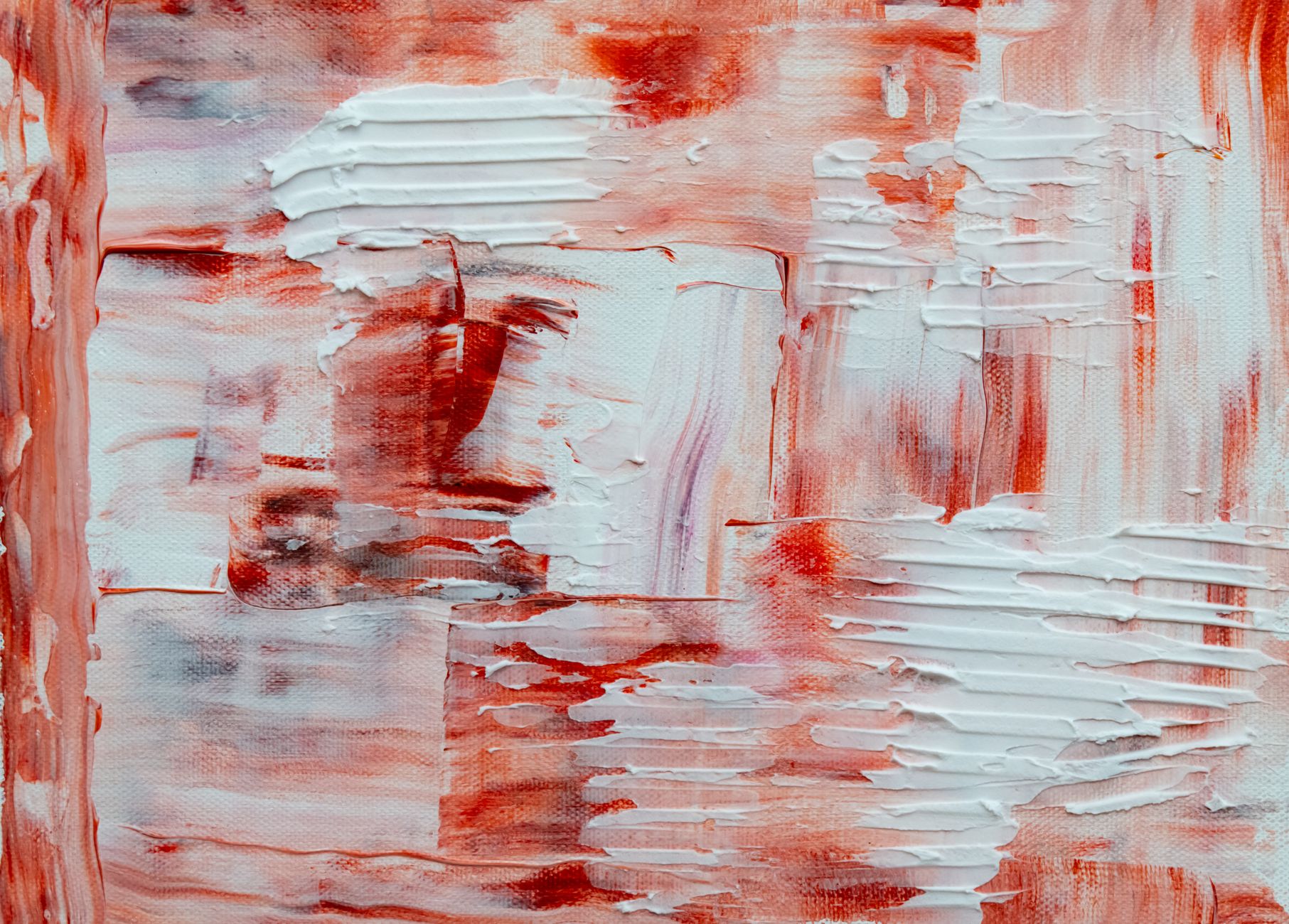
 Photo: Steve A Johnson / Pexels
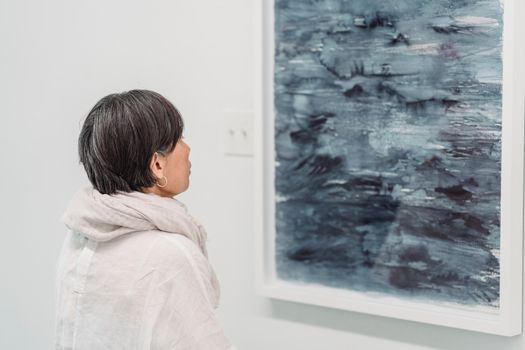 Photo: Greta Hoffman / Pexels
 Photo: Mikhail Nilov / Pexels
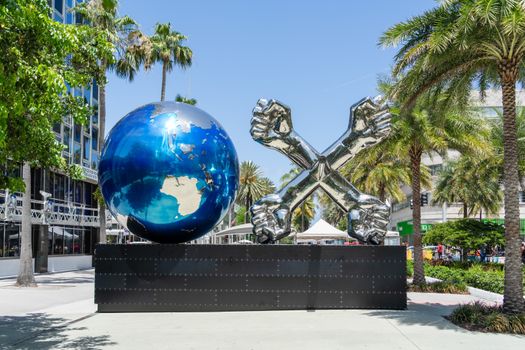 Photo: Abhishek Navlakha / Pexels
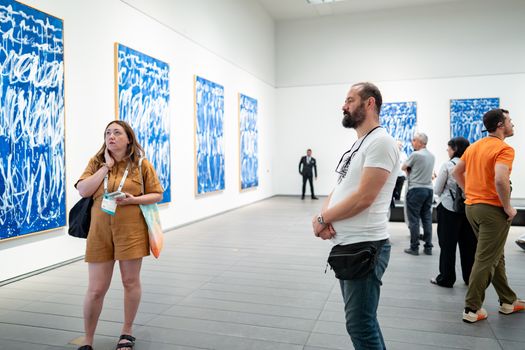 Photo: This And No Internet 25 / Pexels