Unveiling what are the different types of art
June 21, 2026 15 min read 2,969 words
Dive into the vast and captivating world of creative expression, understanding its diverse forms and profound impact on humanity.
Start Your Artistic Journey
The Expansive Realm of Visual Arts
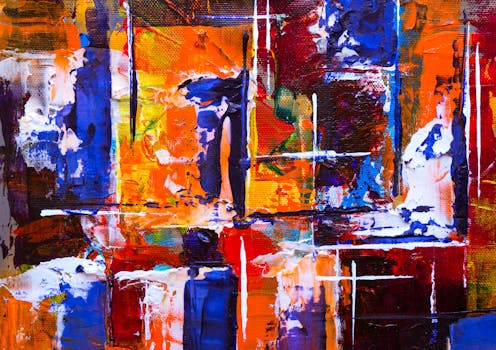 Photo: Steve A Johnson / Pexels
When we ponder what are the different types of art, visual arts often come to mind first, representing a vast and tangible spectrum of human creativity. This category encompasses any art form that is primarily perceived by sight. Its history stretches back to the earliest cave paintings, evolving through millennia to embrace an astonishing array of mediums and styles. Understanding visual arts means appreciating not just the finished product, but also the process, the materials, and the cultural context that shaped its creation.
At its core, visual art seeks to communicate ideas, emotions, or observations through visual means. **Painting**, for instance, is perhaps the most widely recognized visual art form. From the vibrant frescoes of ancient civilizations to the abstract expressionism of the 20th century, painting utilizes pigments applied to a surface to create images. Different painting techniques – oil, acrylic, watercolor, gouache – each offer unique textures, drying times, and luminosity, influencing the artist's expressive capabilities. Consider the hyperrealism of Chuck Close versus the impressionistic brushstrokes of Claude Monet; both are paintings, yet their approaches and effects are vastly different.
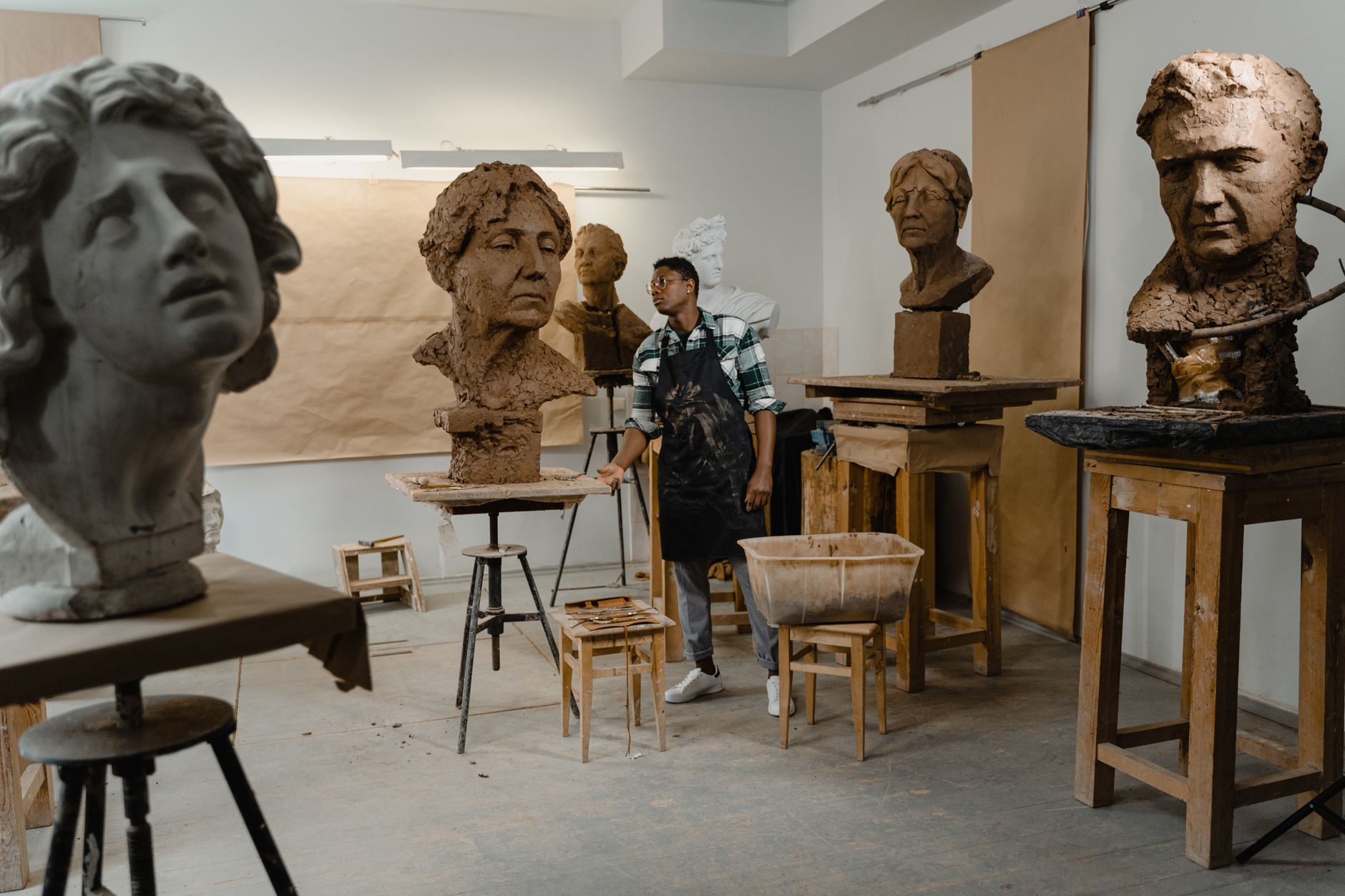
**Sculpture** stands as another monumental pillar of visual art. Unlike painting, sculpture occupies three-dimensional space, inviting viewers to interact with it from multiple perspectives. Materials range from traditional marble and bronze to wood, clay, and even found objects. The techniques employed are equally diverse, including carving, modeling, casting, and assemblage. Think of the classical beauty of Michelangelo's 'David' compared to the kinetic installations of Alexander Calder, where movement becomes an integral part of the artwork. The choice of material and technique profoundly impacts the sculpture's form, texture, and symbolic meaning.
**Architecture**, often considered the mother of all arts, is the art and science of designing and constructing buildings and other physical structures. It's unique in its blend of aesthetic expression and practical function. From the awe-inspiring cathedrals of Europe to the sleek skyscrapers of modern cities, architecture shapes our environment and reflects societal values and technological advancements. Its elements – space, light, material, and form – are meticulously orchestrated to create spaces that are both beautiful and livable. Architects like Frank Lloyd Wright redefined domestic spaces, while Zaha Hadid pushed the boundaries of contemporary form.
Further enriching the visual arts landscape are disciplines like **photography**, which captures moments in time through light and lens; **printmaking**, involving techniques like etching, lithography, and screen printing to create multiple copies of an image; and **drawing**, the foundational art form using lines and marks to depict subjects or express ideas. More contemporary forms include **installation art**, which transforms entire spaces into immersive experiences, and **performance art**, which uses the artist's body as the medium. Even **textile arts**, including weaving, embroidery, and tapestry, contribute significantly to the visual domain, blending utility with intricate design. Each of these forms offers a unique window into human perception and creativity, continually expanding our understanding of what constitutes art. Exploring these facets helps us grasp the immense breadth of
visual creative expression.
The Dynamic World of Performing and Literary Arts
Beyond the static beauty of visual creations, the question of what are the different types of art leads us to the dynamic and ephemeral realms of performing arts and the profound narratives of literary arts. These categories engage our senses and intellect in fundamentally different ways, often relying on time, sound, and interpretation to convey their message.
**Performing Arts** are characterized by their live, temporal nature. They unfold in the moment, often involving direct interaction between artists and an audience. This immediacy creates a unique energy and a shared experience that cannot be fully replicated. **Music** is perhaps the most universal of the performing arts. It organizes sound in time, using elements like melody, harmony, rhythm, and timbre to evoke emotions, tell stories, or simply create an aesthetic experience. From classical symphonies and jazz improvisations to rock concerts and traditional folk songs, music transcends cultural boundaries. The instruments, vocal techniques, and compositional structures employed are incredibly diverse, each contributing to a rich tapestry of auditory expression.
**Dance** is another powerful performing art, utilizing the human body as its primary instrument. Through movement, gesture, and expression, dancers communicate stories, emotions, and abstract ideas. From the structured elegance of ballet and the expressive freedom of modern dance to the rhythmic energy of hip-hop and the cultural narratives of folk dances, dance is a universal language. It often combines with music, costume, and set design to create a holistic theatrical experience, reflecting societal rituals, personal narratives, or pure aesthetic joy.
**Theater**, or drama, brings together multiple art forms to tell a story through live performance. Actors embody characters, delivering dialogue and performing actions on a stage, often supported by elaborate sets, costumes, lighting, and sound design. From ancient Greek tragedies and Shakespearean comedies to contemporary experimental plays and musicals, theater explores the human condition, social issues, and fantastical narratives. The interaction between actors and audience, the suspension of disbelief, and the communal experience are central to its power.
**Film**, while often consumed individually, is fundamentally a performing art that captures and projects moving images and sound. It combines elements of theater, literature (screenplays), visual art (cinematography, set design), and music to create immersive narratives. From silent films to modern blockbusters, film has evolved into a dominant storytelling medium, shaping culture and reflecting the human experience on a global scale. Additionally, **stand-up comedy**, **opera**, and **circus arts** also fall under the broad umbrella of performing arts, each offering unique forms of live entertainment and artistic expression.
Switching gears, **Literary Arts** are those that use written language as their medium. While they don't involve live performance (unless read aloud), their impact on the mind and imagination is profound. **Poetry** uses language for its aesthetic and evocative qualities, employing rhythm, rhyme, metaphor, and imagery to express intense emotions or profound insights. From epic poems to haikus, poetry condenses meaning and invites deep contemplation.
**Prose**, encompassing novels, short stories, and essays, tells stories or conveys information through narrative or descriptive writing. Novels, in particular, allow for extensive character development, intricate plots, and exploration of complex themes, transporting readers to different worlds and perspectives. **Drama**, when written as a script, is also a literary art form, designed to be performed but also read and studied for its textual merit. Literary arts provide a timeless record of human thought, imagination, and experience, allowing us to connect with voices across centuries and cultures.
The Emerging Frontier: Digital and Hybrid Art Forms
As technology advances, the understanding of what are the different types of art continually expands, giving rise to exciting new categories and blurring the lines between traditional definitions. The emergence of **Digital Art** represents one of the most significant shifts in contemporary artistic practice, leveraging computational tools and digital platforms for creation, presentation, and dissemination. This category is incredibly broad and constantly evolving, reflecting the rapid pace of technological innovation.
Digital art encompasses a wide array of practices. **Computer-generated imagery (CGI)**, for instance, is prevalent in film, video games, and advertising, creating realistic or fantastical visual worlds that would be impossible to achieve through traditional means. Artists use software to model, render, and animate complex scenes, pushing the boundaries of visual storytelling. Similarly, **digital painting** and **digital drawing** utilize software and graphic tablets to create images that emulate traditional media or explore entirely new aesthetic possibilities. Programs like Photoshop, Procreate, and Corel Painter have become essential tools for many contemporary artists, offering unparalleled flexibility and a vast palette of virtual brushes and textures.
**Interactive art** is another fascinating facet of digital creation, where the artwork responds to the viewer's input or presence. This can range from installations that react to motion or sound to virtual reality (VR) and augmented reality (AR) experiences that immerse the viewer in a digital environment. These forms challenge the traditional passive role of the audience, transforming them into active participants in the artistic process. **Net art** (or internet art) specifically utilizes the internet as its medium and context, exploring themes of connectivity, data, and online identity. These works often exist solely online, challenging notions of permanence and ownership in art.
Beyond purely digital creations, we see a proliferation of **hybrid art forms** that combine elements from multiple categories. **Video art**, for example, merges visual imagery, sound, and time-based narratives, often exploring experimental structures and challenging conventional storytelling. It bridges visual arts with performing arts, as it can be displayed in galleries, projected onto buildings, or integrated into live performances. **Sound art** focuses on sound as its primary medium, often presented in installations or performances, pushing the boundaries of what constitutes a musical or auditory experience.
**BioArt** and **Generative Art** represent even more avant-garde frontiers. BioArt uses living organisms, biological processes, or scientific techniques as its medium, raising ethical and philosophical questions about life, nature, and human intervention. Generative art, on the other hand, involves algorithms or autonomous systems that create artworks, often with minimal human intervention once the initial parameters are set. This can produce endlessly varied patterns, music, or visual compositions, exploring the intersection of creativity and computation. These hybrid forms demonstrate that art is not static; it is a continuously expanding dialogue between human ingenuity, evolving tools, and our ever-changing understanding of the world. The constant evolution of these forms ensures that the question of
what defines art remains a vibrant and open-ended inquiry.
Navigating the Spectrum: Tips for Deeper Art Appreciation
Understanding what are the different types of art is merely the first step; truly appreciating them requires an active and open-minded approach. With such a vast and diverse landscape of creative expression, it can be overwhelming to know where to begin. Here are some invaluable tips to help you navigate the spectrum of art and cultivate a deeper, more personal appreciation:
* **Embrace Curiosity and Openness:** Approach each art form with a willingness to learn and be challenged. Don't dismiss something simply because it doesn't immediately resonate with you. Art often requires time and contemplation to reveal its layers. Be open to new perspectives and experiences.
* **Visit Museums, Galleries, and Performance Venues:** There's no substitute for experiencing art firsthand. Seeing a painting in person allows you to appreciate its texture and scale, listening to live music reveals nuances impossible to capture on recording, and a live theatrical performance creates an unparalleled communal energy. Explore local art scenes, university galleries, and community theaters.
* **Read and Research:** Delve into the history, theory, and context surrounding different art forms and specific artworks. Understanding the artist's intentions, the cultural backdrop, and the techniques employed can unlock deeper meaning. Art books, documentaries, and reputable online resources are excellent starting points.
* **Engage with Different Mediums:** Don't limit yourself to one type of art. If you primarily enjoy visual art, try attending a dance performance or reading a classic novel. Cross-pollination of experiences can broaden your understanding of creativity itself and reveal unexpected connections.
* **Consider the 'Why':** Beyond merely liking or disliking an artwork, ask yourself *why* it evokes a certain response. What is the artist trying to communicate? What emotions does it stir? How does it relate to your own experiences or the wider world? Critical thinking enhances appreciation.
* **Try Creating Art Yourself:** Even if you don't consider yourself an artist, engaging in a creative pursuit – whether it's sketching, writing poetry, playing an instrument, or taking a photography class – can provide invaluable insight into the challenges and joys of artistic creation. It fosters empathy for the artist's process.
* **Discuss and Share:** Talk about art with others. Hearing different interpretations and perspectives can enrich your own understanding and expose you to new ideas. Join art discussion groups, attend lectures, or simply chat with friends after an exhibition.
* **Recognize Personal Preference is Valid:** While openness is crucial, it's also okay to have preferences. Not every artwork will speak to you, and that's perfectly normal. The goal is to expand your horizons, not to force appreciation for everything. Enjoy the journey of discovering what truly moves you.
By actively engaging with these tips, you'll move beyond a superficial understanding of art classifications and cultivate a profound, lifelong appreciation for the boundless creativity of the human spirit.