
Unveiling Famous American Artists History
Journey through centuries of American creativity, discovering the visionaries who shaped a nation's artistic identity.
Discover Their LegacyKey Takeaways
- ✓ American art initially mirrored European styles before developing unique regional identities.
- ✓ The Hudson River School was the first truly American art movement, celebrating the nation's landscape.
- ✓ The Harlem Renaissance marked a pivotal moment for African American artistic expression.
- ✓ Abstract Expressionism, born in New York, shifted the center of the art world from Paris to America.
How It Works
Understand how early American artists, often self-taught or European-trained, established the foundational styles. These artists primarily focused on portraiture and historical scenes, reflecting the nascent nation's aspirations and values.
Delve into the Romantic and Realist periods, where artists like those in the Hudson River School defined uniquely American landscapes. This era saw a shift towards depicting the vastness and beauty of the American wilderness, alongside the burgeoning social changes of the time.
Examine the early 20th century, which brought radical shifts with movements like the Ashcan School, modernism, and the Harlem Renaissance. American artists began challenging traditional forms and embracing new ways to represent urban life, social issues, and cultural identity.
Conclude with the rise of Abstract Expressionism and Pop Art, cementing America's place as a global art leader. This period saw a powerful assertion of American artistic originality and influence, moving beyond European traditions to forge entirely new aesthetic languages.
The Formative Years: Colonial and Early Republic Art
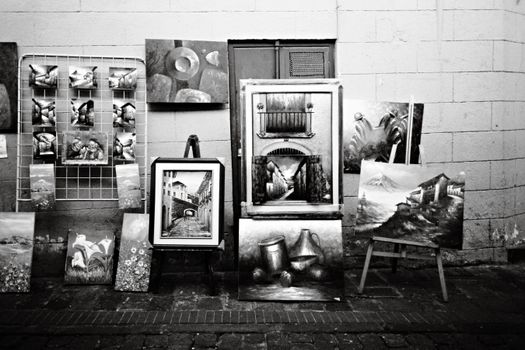 Photo: DΛVΞ GΛRCIΛ / Pexels
Romanticism and Realism: Defining American Landscapes and Lives
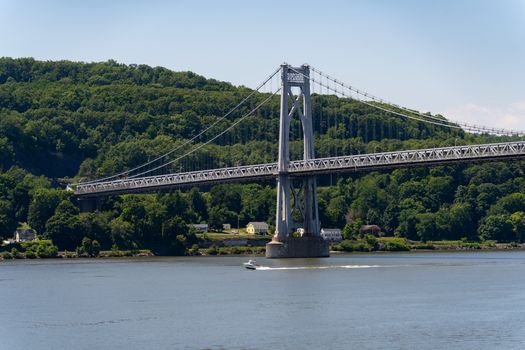 Photo: Brett A / Pexels
Modernism and the Harlem Renaissance: A Century of Innovation
 Photo: Micheile Henderson / Pexels
Post-War Dominance: Abstract Expressionism to Pop Art
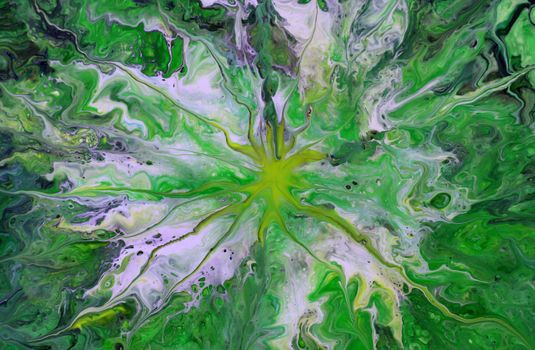 Photo: Landiva Weber / Pexels
Comparison
| Art Movement | Key Characteristics | Era | Notable Artists |
|---|---|---|---|
| Hudson River School | Romanticized landscapes, nationalistic themes, sublime nature | 1820s-1870s | Thomas Cole, Frederic Edwin Church |
| Ashcan School | Urban realism, gritty city life, social commentary | 1900s-1920s | Robert Henri, George Bellows |
| Harlem Renaissance | Celebration of Black identity, African motifs, social justice | 1920s-1930s | Aaron Douglas, Jacob Lawrence |
| Abstract Expressionism | Emotional spontaneity, large-scale abstraction, action painting | 1940s-1950s | Jackson Pollock, Mark Rothko |
| Pop Art | Consumer culture, mass media, ironic appropriation, bright colors | 1950s-1960s | Andy Warhol, Roy Lichtenstein |
What Readers Say
"This article on famous American artists history is incredibly comprehensive! It seamlessly connects different eras and movements, making complex art history accessible and engaging. I particularly enjoyed the insights into the Hudson River School's impact."
Sarah J. · Boston, MA"As an art enthusiast, I found this deep dive into American art history fascinating. The way it highlights key artists and their contributions is very helpful for understanding the evolution of art in the US. A truly premium resource."
David K. · Chicago, IL"I was looking for a good overview of famous American artists history for a project, and this delivered beyond expectations. The detailed sections on modernism and post-war art were especially insightful, giving me a much clearer perspective on Warhol's place in history."
Emily R. · Los Angeles, CA"A very thorough and well-researched article. While it covers a lot of ground effectively, I would have loved to see a bit more on contemporary American artists and their current trajectories, but it's an excellent historical foundation."
Michael L. · New York, NY"This content is perfect for anyone trying to grasp the famous American artists history. It's written in a way that truly puts the reader first, breaking down complex information into digestible and captivating narratives. Highly recommend for students and art lovers alike!"
Jessica T. · Austin, TXFrequently Asked Questions
Who are considered the most influential famous American artists?
While influence is subjective, artists like Thomas Cole for establishing American landscape painting, Winslow Homer for realism, Georgia O'Keeffe for modernism, Jackson Pollock for Abstract Expressionism, and Andy Warhol for Pop Art are consistently cited for their profound impact on American and global art history.
Was American art always distinct from European art?
Initially, American art was heavily influenced by European styles, particularly British and French. However, over time, artists began to incorporate unique American themes, landscapes, and cultural experiences, leading to distinct movements like the Hudson River School and Abstract Expressionism, which eventually shifted the global art center to the US.
How can I learn more about a specific American art movement?
To delve deeper, you can visit major art museums in the US like the Metropolitan Museum of Art, MoMA, or the Art Institute of Chicago, which house extensive American art collections. Online resources, academic journals, and specialized books on art history movements are also excellent ways to gain in-depth knowledge.
What is the economic value or impact of famous American artists?
The works of famous American artists command significant prices in the global art market, often setting auction records. Beyond monetary value, their art contributes immensely to the cultural economy, inspiring new artists, driving tourism to museums and galleries, and providing a visual narrative of American history and identity.
How does American art history compare to European art history?
American art history is considerably younger than European art history, which spans millennia. While it initially drew heavily from European traditions, American art developed its own unique trajectory, often characterized by a strong sense of national identity, a focus on vast landscapes, and a rapid embrace of modern and post-modern movements that eventually led to its global dominance in the 20th century.
Who should explore the famous American artists history?
Anyone interested in understanding the cultural evolution of the United States, students of art history, aspiring artists seeking inspiration, and general art enthusiasts will find immense value in exploring the rich and diverse history of famous American artists. It offers insights into the nation's identity through its visual culture.
Are there any ethical considerations in studying American art history?
Yes, studying American art history often involves examining how art has depicted or influenced social and political issues, including colonialism, slavery, indigenous rights, and gender roles. It's important to approach these topics with a critical lens, acknowledging diverse perspectives and the historical context in which the art was created.
What are the future trends in famous American artists history?
Future trends suggest a continued diversification of voices, with increasing recognition for underrepresented artists and art forms. Digital art, AI-generated art, and art that engages with contemporary social and environmental issues are also expected to play a significant role in shaping the ongoing narrative of famous American artists history.
Embark on a captivating journey through the famous American artists history and discover the masterpieces that shaped a nation. From pioneering portraitists to revolutionary modernists, their stories and creations offer an unparalleled window into the American spirit. Start your exploration today and connect with the legacy of these extraordinary visionaries.