How to Purchase Limited Edition Prints: Your Ultimate Guide
purchase limited edition prints

How to Purchase Limited Edition Prints: Your Ultimate Guide

Navigate the exciting world of limited edition prints to find unique artworks that resonate with your taste and budget.

Start Collecting Now

Key Takeaways

  • ✓ Limited edition prints are created in a fixed, small number, increasing their exclusivity and potential value.
  • ✓ Authenticity is guaranteed by an artist's signature, edition number, and often a Certificate of Authenticity (COA).
  • ✓ Prints can be an accessible entry point into art collecting, offering works by renowned artists at various price points.
  • ✓ Proper framing and archival storage are crucial for preserving the long-term value and condition of your prints.

How It Works

1
Define Your Interests & Budget

Before diving in, consider what styles, artists, or themes appeal to you. Establish a realistic budget to guide your search effectively.

2
Research Artists & Galleries

Explore artists whose work you admire and reputable galleries or online platforms specializing in limited edition prints. Look for established track records and transparent practices.

3
Verify Authenticity & Edition Details

Always confirm the artist's signature, the print's edition number, and if possible, obtain a Certificate of Authenticity. Understand the printing technique used.

4
Acquire & Care for Your Print

Once purchased, ensure proper archival framing and display to protect your investment from environmental damage. Consider insurance for valuable pieces.

Understanding Limited Edition Prints: More Than Just a Copy
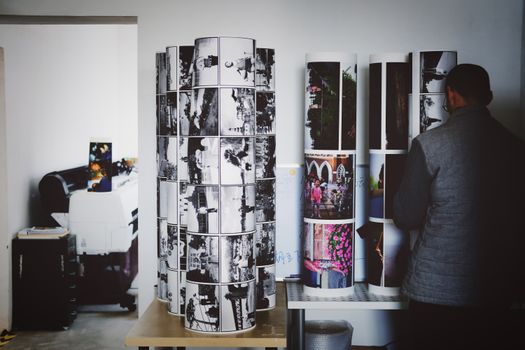
A man examines rolls of large format photos in a professional photography studio. Photo: 祝 鹤槐 / Pexels
When you decide to purchase limited edition prints, you're not just buying a reproduction; you're acquiring a piece of art with intrinsic value and a unique story. Unlike open edition prints, which can be produced indefinitely, limited edition prints are created in a finite number, determined by the artist or publisher. This scarcity is a fundamental aspect that contributes to their desirability and potential for appreciation. Each print in the edition is typically signed and numbered by the artist, for example, '1/100' indicating the first print in an edition of one hundred. This numbering system verifies its place within the limited run and confirms its authenticity. The process of creating limited edition prints involves various sophisticated techniques, such as lithography, serigraphy (screenprinting), etching, giclée, and photography. Each method imparts distinct characteristics to the final artwork, influencing its texture, color saturation, and overall aesthetic. For instance, a hand-pulled lithograph will have a different tactile quality than a giclée print, which is a high-resolution inkjet print. Understanding these techniques can deepen your appreciation for the artwork and help you make informed decisions when you purchase limited edition prints. The value of a limited edition print is influenced by several factors: the artist's reputation, the size of the edition (smaller editions are generally more valuable), the print's condition, its provenance (history of ownership), and market demand. A print by a highly sought-after artist, even if it's an earlier work or from a larger edition, might command a higher price than a print by an emerging artist from a very small edition. This nuance is why research is paramount. Many collectors see limited edition prints as an accessible entry point into the art market, allowing them to own works by celebrated artists without the significant investment often required for original paintings or sculptures. Furthermore, owning a limited edition print connects you directly to the artist's creative vision, offering a tangible piece of their artistic journey. It’s a chance to invest in collectible art that can bring immense personal joy and potentially appreciate over time. The journey of acquiring a print is as much about personal connection as it is about artistic merit and market value. It's an opportunity to live with art that inspires and enriches your daily environment.

Where to Purchase Limited Edition Prints: Navigating the Market
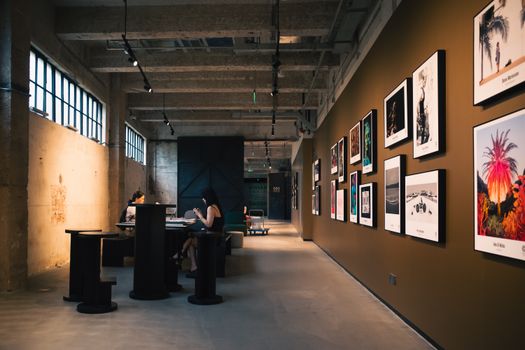
Art gallery hallway with framed artworks and visitors seated inside, under warm lighting. Photo: ProtSilver Chen / Pexels
Once you're ready to purchase limited edition prints, knowing where to look is crucial. The art market for prints is diverse, offering various avenues from traditional galleries to cutting-edge online platforms. Each source has its advantages and considerations. Traditional brick-and-mortar art galleries are often the first port of call for serious collectors. Reputable galleries specializing in prints or contemporary art will have established relationships with artists and publishers, ensuring the authenticity and quality of their offerings. They also provide a physical space to view the artwork, allowing you to appreciate its texture, scale, and color fidelity firsthand. Gallery staff can offer expert advice, share insights into an artist's practice, and guide you through the acquisition process. Attending gallery openings can also be a great way to meet artists and network with other collectors. Online art platforms and marketplaces have revolutionized how we purchase limited edition prints, making art more accessible globally. Websites like Artsy, Artnet, Saatchi Art, and specific artist-run platforms offer vast selections, often with detailed descriptions, high-resolution images, and transparent pricing. These platforms allow you to browse works from various artists and galleries worldwide from the comfort of your home. However, when buying online, always verify the seller's reputation, check for clear return policies, and ensure they provide a Certificate of Authenticity (COA) for your purchase. Auction houses, both online and physical, are another significant source for limited edition prints. Major houses like Sotheby's and Christie's, alongside regional auctioneers, frequently feature print sales. Auctions can be exciting, offering opportunities to acquire rare or historically significant prints, often at competitive prices. However, bidding requires a good understanding of market values and auction dynamics, including buyer's premiums and potential condition reports. Art fairs, such as Art Basel, Frieze, and regional fairs, are excellent places to discover new artists and galleries. These events bring together a multitude of dealers under one roof, offering a concentrated viewing experience and the chance to compare works from different sources. Many artists also sell directly from their studios or personal websites, particularly for emerging artists or those with a strong online presence. This direct channel can sometimes offer more competitive pricing and a unique opportunity to connect with the artist directly. Whichever avenue you choose, prioritize reputable sources, conduct thorough research, and don't hesitate to ask questions about the artwork's provenance, condition, and the artist's background. Building relationships with gallerists or art advisors can also be invaluable as you navigate the market and expand your collection.

Ensuring Authenticity and Value: Key Considerations for Collectors
Colorful abstract painting with geometric shapes and bold vibrant colors, ideal for modern art enthusiasts. Photo: Steve A Johnson / Pexels
When you purchase limited edition prints, authenticity and long-term value are paramount concerns. Verifying that a print is genuine and understanding its potential for appreciation requires careful attention to several details. The most fundamental aspect of authenticity is the artist's signature and edition number. Reputable limited edition prints are almost always hand-signed by the artist, usually in pencil, and numbered (e.g., '3/50'). This signature confirms the artist's approval of the print and its place within the edition. Be wary of unsigned prints unless accompanied by irrefutable documentation from a highly trusted source. A Certificate of Authenticity (COA) is another critical document. Issued by the artist, their studio, a gallery, or a publisher, a COA details the print's title, artist, medium, edition size, and often the date of creation. It acts as a formal declaration of the artwork's genuineness. Always request a COA when you purchase limited edition prints, and keep it safe, as it contributes significantly to the print's provenance. The condition of the print plays a vital role in its value. A print in pristine condition, free from fading, creases, tears, or acid burns, will always be more valuable than one with damage. When examining a print, look for any signs of foxing (brown spots due to mold), discoloration, or previous restoration. If buying online, request detailed condition reports and high-resolution images. Understanding the printing technique used—be it lithography, etching, serigraphy, or giclée—is also important. Some techniques are more labor-intensive and traditionally associated with higher value, though modern giclée prints by established artists can also be highly collectible. Knowledge of the technique helps you appreciate the craftsmanship and potential rarity. Provenance, the history of ownership, can significantly enhance a print's value and authenticity. A print with a documented history of being owned by a well-known collector or exhibited in a prestigious institution often commands a higher price. Always inquire about the print's previous ownership if available. Finally, consider the artist's reputation and trajectory. Prints by established artists with a strong market presence and a history of appreciating values are generally safer investments. However, collecting works by emerging artists can also be rewarding, both financially and aesthetically, though it carries more risk. Research the artist's exhibition history, critical reception, and previous sales records. Joining art collector forums or consulting with art advisors can also provide invaluable insights into market trends and the nuances of collectible artwork valuation. By diligently examining these factors, you can build a collection of authentic, valuable, and cherished limited edition prints.

Tips for Collecting Limited Edition Prints & Common Mistakes to Avoid
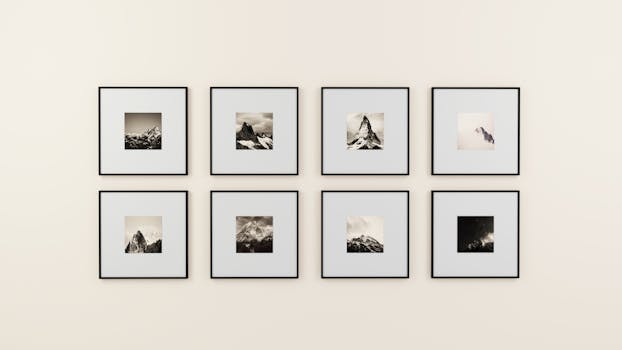
A minimalist display of framed mountain photography on a plain wall. Photo: Medhat Ayad / Pexels
Embarking on the journey to purchase limited edition prints is exciting, but a strategic approach can enhance your collecting experience and protect your investments. Here are some key tips and common pitfalls to sidestep. **Tips for Smart Collecting:** * **Buy What You Love:** While investment potential is a factor, the primary motivation should be your personal connection to the artwork. You'll live with it, so choose pieces that genuinely resonate with you and bring you joy. * **Educate Yourself:** Learn about different printmaking techniques, artists, and market trends. The more knowledgeable you are, the better decisions you'll make. Read books, visit museums, and follow reputable art publications. * **Set a Budget (and Stick to It):** Art collecting can be addictive. Establish clear financial boundaries before you start browsing to avoid impulse purchases that strain your finances. * **Prioritize Condition:** Always opt for prints in the best possible condition within your budget. Damage, even minor, can significantly devalue a print. * **Invest in Archival Framing:** This is non-negotiable. Proper framing with acid-free materials and UV-protective glass or acrylic will protect your print from environmental damage, ensuring its longevity and preserving its value. Avoid cheap frames that can cause irreversible damage. * **Build Relationships:** Connect with gallerists, art dealers, and other collectors. Their expertise and networks can be invaluable for discovering new artists and acquiring desirable pieces. * **Keep Records:** Maintain meticulous records of your purchases, including COAs, invoices, and any provenance information. This documentation is crucial for insurance, potential resale, and verifying authenticity. **Common Mistakes to Avoid:** * **Impulse Buying:** Never purchase a print solely because of a perceived deal or pressure. Take your time, do your research, and ensure it fits your collection and budget. * **Ignoring Authenticity:** Failing to verify the artist's signature, edition number, and obtaining a COA is a significant risk. Counterfeits and unauthorized reproductions exist. * **Poor Storage and Handling:** Improper handling can lead to creases, tears, or fingerprints. Storing prints in non-archival materials or in humid environments can lead to irreparable damage like foxing or mold. * **Overpaying:** Without proper market research, it's easy to pay too much for a print. Compare prices across different reputable sources and understand the artist's market value. * **Neglecting Insurance:** For valuable prints, neglecting to insure them against theft, damage, or loss is a major oversight. Consult with an insurer specializing in art. * **Confusing Open Edition with Limited Edition:** Always confirm the edition type. Open edition prints, while often beautiful, do not carry the same scarcity or potential investment value as limited editions. By following these guidelines, your journey to purchase limited edition prints will be more rewarding, allowing you to curate a collection you'll cherish for years to come.

Comparison

FeatureReputable GalleryOnline Art PlatformAuction HouseArtist Direct
Authenticity VerificationHigh (Expert Staff, COA)Moderate (Seller dependent, COA)High (Expert Appraisers, COA)High (Direct from source, COA)
Price RangeMid to HighLow to High (Varies widely)Potentially Low to Very HighOften Mid (Less overhead)
Selection BreadthCurated, Specific ArtistsVast, GlobalEvent-driven, Unique FindsLimited to Artist's Work
Physical Viewing✓ (Recommended)✗ (Rely on images)✓ (Preview days)✗ (Unless studio visit)
Expert Advice✓ (Personalized)✗ (Limited customer service)✓ (Specialists)✓ (Artist insights)
Return PolicyVaries, Often FlexibleVaries by Platform/SellerGenerally No ReturnsVaries by Artist
Shipping & HandlingProfessional, InsuredVaries (Seller responsible)Professional, Insured (Buyer cost)Varies (Artist responsible)

What Readers Say

"I was hesitant to purchase limited edition prints online, but after following the advice in this guide, I found a fantastic gallery. The print is stunning, and the COA gave me great peace of mind. It truly elevates my living space."

Sarah J. · Brooklyn, NY

"This article was incredibly helpful in demystifying the world of limited edition art. I now feel confident researching artists and verifying authenticity. My first print purchase was a success, and I'm already looking for my next."

Michael R. · Los Angeles, CA

"Thanks to the detailed section on framing, I invested in proper archival materials for my new limited edition print. It looks incredible, and I know it's protected for years to come. This guide saved me from making costly mistakes."

Emily P. · Chicago, IL

"The information on different printmaking techniques was particularly insightful, helping me appreciate the craftsmanship more. While I still found the pricing aspect a bit daunting, the article provided excellent resources to start my research."

David L. · Austin, TX

"As a new collector, understanding where to purchase limited edition prints was my biggest hurdle. This guide broke down the options clearly, and I ended up finding a perfect piece directly from an artist's website, which felt incredibly personal."

Jessica M. · Seattle, WA

Frequently Asked Questions

What makes a limited edition print different from a regular print?

A limited edition print is produced in a finite, predetermined quantity, and each print is typically signed and numbered by the artist. This scarcity increases its exclusivity and potential value, unlike 'open edition' prints which can be reproduced indefinitely without limits.

How can I be sure a limited edition print is authentic?

Always look for the artist's hand-signature and the edition number (e.g., 1/100). Request a Certificate of Authenticity (COA) from the gallery, publisher, or artist. Reputable sellers will always provide these. Research the seller's reputation, especially when buying online.

What is the best way to care for and display my limited edition print?

The best way to care for your print is through archival framing. This involves using acid-free matting and backing, UV-protective glass or acrylic, and proper sealing to protect against light, humidity, and airborne pollutants. Avoid direct sunlight and extreme temperature changes.

Are limited edition prints a good investment?

While some limited edition prints do appreciate in value, art collecting should primarily be driven by personal enjoyment. Investment potential depends on factors like the artist's reputation, the print's rarity, condition, and market demand. It's not a guaranteed return, but a well-chosen piece can certainly hold or increase its value.

What's the difference between a giclée print and a lithograph?

A giclée print is a high-quality inkjet print made using archival inks and media, offering exceptional color fidelity. A lithograph is created using a traditional printmaking technique where an image is drawn on a stone or metal plate, inked, and then pressed onto paper. Both are valid forms of limited edition prints, but differ in their creation process and aesthetic qualities.

Who should consider purchasing limited edition prints?

Anyone passionate about art who desires to own unique, high-quality pieces by established or emerging artists. They are an excellent entry point for new collectors, a way for experienced collectors to diversify, or simply for individuals looking to enhance their living or working spaces with meaningful and distinctive artwork without the cost of an original painting.

What are the risks associated with buying limited edition prints?

The main risks include purchasing non-authentic prints, prints in poor condition, or overpaying due to lack of market knowledge. There's also the risk of damage if not properly framed or stored. Mitigate these risks by buying from reputable sources, verifying authenticity, and educating yourself on care and market values.

How might the market for limited edition prints evolve in the future?

The market is likely to continue its shift towards online platforms, increasing accessibility and global reach. Digital art and NFTs might also influence the perception of 'limited editions' in the physical art world, potentially creating new hybrid forms or further emphasizing the value of tangible, physical prints by renowned artists. Sustainability in printmaking processes may also become a growing trend.

Ready to enrich your life and collection? Use this ultimate guide to confidently purchase limited edition prints. Start exploring the incredible world of collectible art today and find the perfect piece that speaks to you.

Topics: purchase limited edition printscollectible art printsfine art prints investmentlimited edition artworkart acquisition guide
Leo List
Brampton weed
Adultwork