Common Fingernail Health Mistakes to Avoid for Beautiful Hands
fingernail health mistakes

Common Fingernail Health Mistakes to Avoid for Beautiful Hands

Unlock the secrets to pristine nail health by identifying and correcting everyday errors that compromise your beautiful hands.

Reveal Healthier Nails

Key Takeaways

  • ✓ Over-filing and improper technique can lead to nail weakening and breakage.
  • ✓ Cutting cuticles can introduce infections and damage the nail matrix.
  • ✓ Harsh chemicals in polishes and removers strip natural oils, causing dryness.
  • ✓ Ignoring early signs of nail issues can lead to more serious conditions.

How It Works

1
Identify Harmful Habits

Become aware of everyday actions and products that negatively impact your nail health. This self-assessment is the first step toward improvement.

2
Adopt Proper Techniques

Learn and implement correct filing, moisturizing, and cleaning methods. Precision in your routine prevents damage and promotes growth.

3
Choose Nail-Friendly Products

Select polishes, removers, and treatments free from harsh chemicals. Opt for nourishing ingredients that support nail strength and hydration.

4
Maintain Consistent Care

Regularly apply protective measures, moisturize, and address any concerns promptly. Consistency is key to sustained fingernail health and beauty.

Understanding the Anatomy of Your Fingernails and Common Misconceptions
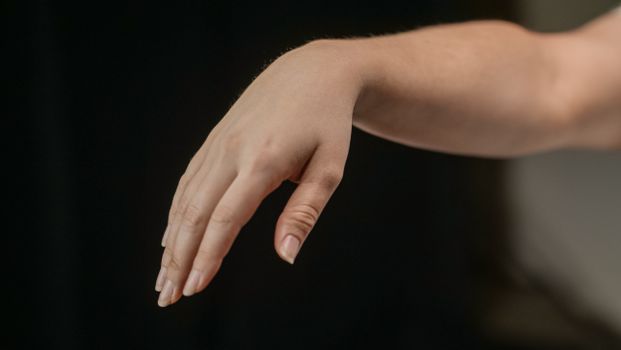
Close-up of a human hand in soft focus, highlighting delicate fingers and fingernails. Photo: Kindel Media / Pexels
Before we delve into the common fingernail health mistakes to avoid, it's crucial to have a basic understanding of what your fingernails are and how they function. Far from being mere aesthetic accessories, your nails are complex structures made primarily of keratin, a tough protective protein. They serve vital functions, including protecting the fingertips, aiding in precise movements, and even acting as indicators of your overall health. The nail plate, the visible part of the nail, grows from the nail matrix, located under the cuticle. The cuticle itself is a protective barrier, sealing the area where the nail plate emerges from the skin, preventing bacteria and fungi from entering. The nail bed, underneath the nail plate, is rich in blood vessels and nerves, providing nutrients for growth. Understanding these components highlights why certain actions can be detrimental. One of the most prevalent misconceptions is that nails need to 'breathe.' This is physiologically incorrect. Nails are dead cells, and they don't respire in the way skin or living tissues do. This misconception often leads people to believe that leaving nail polish on for extended periods is inherently bad, or that they need to take 'nail breaks' from polish. While it's true that some harsh polishes and removers can dry out the nail plate, the issue isn't about breathing, but rather about chemical exposure and moisture depletion. Another common myth is that gel manicures inherently 'ruin' your nails. The damage often attributed to gel manicures typically stems from improper application, incorrect removal techniques (like peeling or prying off the gel), or excessive UV light exposure during curing. When applied and removed correctly by a trained professional, and with proper aftercare, gel manicures can be a safe option for many. Similarly, many believe that cutting cuticles is a necessary part of nail care for a 'clean' look. This is a significant mistake, as the cuticle serves a crucial protective role. Cutting it opens the door to infections and can damage the underlying nail matrix, leading to ridges or other growth abnormalities. Proper cuticle care involves gently pushing them back after softening, not cutting them. Finally, some people think that hard nails are always healthy nails. While incredibly soft, bendy nails can indicate issues, excessively hard and brittle nails can also be a sign of dehydration or nutrient deficiencies. A healthy nail should be flexible yet strong, with a smooth, even surface. Learning about proper nail hydration is key to achieving this balance. By dispelling these myths and understanding the fundamentals, we can approach nail care with a more informed and effective strategy, setting the stage for truly healthy and beautiful fingernails.

The Dangers of Improper Nail Filing and Cuticle Care

Improper nail filing and aggressive cuticle care are among the most common culprits behind damaged and unhealthy fingernails. Many individuals, in an attempt to achieve perfectly shaped nails or a neat appearance, inadvertently cause more harm than good. When it comes to filing, the direction and technique are paramount. Filing nails back and forth in a saw-like motion creates microscopic tears and frays the nail edges, leading to splitting, peeling, and breakage. This rough treatment compromises the integrity of the nail plate, making it weaker and more susceptible to environmental damage. The correct method involves filing in one direction, from the side of the nail to the center, using a fine-grit nail file. This smooths the edge and seals the layers of the nail plate, promoting strength. Moreover, using a file that is too coarse can also be detrimental, especially on natural nails, as it can be overly abrasive and strip away essential layers. Equally, if not more, damaging is aggressive cuticle care. The cuticle is a vital protective seal at the base of the nail, preventing bacteria, fungi, and other pathogens from entering the delicate nail matrix. Cutting your cuticles, a practice once common in salons, breaks this protective barrier. Once breached, the area becomes vulnerable to infections, which can manifest as redness, swelling, pain, and even lead to more serious conditions like paronychia. Beyond infection risk, cutting cuticles can also damage the nail matrix, the area responsible for nail growth. Damage to the matrix can result in permanent ridges, discoloration, or irregular nail growth. Instead of cutting, the recommended approach is to gently push back softened cuticles using a wooden or rubber-tipped cuticle pusher after a shower or soak. This keeps the nail bed looking clean and extended without compromising its natural defenses. Hydrating the cuticles regularly with a dedicated cuticle oil also helps keep them soft and pliable, making them easier to manage and less prone to tearing. Adopting a gentle approach to nail care extends beyond just filing and cuticles; it encompasses every interaction with your nails, promoting long-term health and resilience. Understanding and correcting these filing and cuticle mistakes are foundational steps toward achieving strong, beautiful, and healthy fingernails that are less prone to damage and infection, contributing significantly to overall hand aesthetics and well-being.

For more options, check out joyclubde.com.

The Hidden Dangers: Harsh Chemicals and Overuse of Nail Products

In the quest for perfect nails, many individuals inadvertently expose their fingernails to a barrage of harsh chemicals and overuse nail products, leading to significant damage. The allure of vibrant polishes, quick-drying topcoats, and long-lasting gels often overshadows the potential harm these products can inflict. Traditional nail polishes and removers frequently contain ingredients like formaldehyde, toluene, dibutyl phthalate (DBP), and acetone. While these chemicals might offer benefits like durability or fast drying, they are notorious for stripping the nail plate of its natural oils, leading to dryness, brittleness, peeling, and discoloration. Formaldehyde, for instance, can cause allergic reactions and harden the nail plate to the point of making it brittle, while acetone, a common ingredient in nail polish removers, is a powerful solvent that can severely dehydrate the nails and surrounding skin, leaving them parched and prone to breakage. Beyond just the ingredients, the overuse of certain products and techniques also contributes to nail damage. Frequent application and removal of nail polish without adequate breaks or protective measures can weaken the nail plate over time. Similarly, the popularity of gel and acrylic nails, while offering extended wear and strength, comes with its own set of risks if not managed properly. The UV or LED light exposure required to cure gel polish, though generally considered safe in moderation, can be a concern for some, and improper removal, such as peeling off gel polish or using excessive force to remove acrylics, can literally rip layers off the natural nail, leading to extreme thinning and weakness. Even seemingly innocuous products like nail hardeners, when used excessively, can make nails overly rigid and prone to snapping rather than bending. The key is balance and informed choice. Opting for '3-free,' '5-free,' or even '10-free' polishes, which exclude some of the most harmful chemicals, can significantly reduce chemical exposure. Using non-acetone removers, though slower, is much gentler on the nails and cuticles. When using gels or acrylics, always seek professional application and removal, and ensure adequate time for your natural nails to recover between applications. Incorporating a nutrient-rich base coat can also act as a protective barrier, minimizing direct contact between the nail plate and potentially harmful polish ingredients. Moisturizing your nails and cuticles regularly, especially after using nail products, helps replenish lost hydration. Prioritizing gentle nail care and mindful product selection are essential for maintaining the long-term health and beauty of your fingernails, safeguarding them against the often-invisible threats posed by harsh chemicals and product overuse.

Everyday Habits That Sabotage Your Nail Health

Beyond professional treatments and product choices, many everyday habits, often unconscious, can severely compromise your fingernail health. Recognizing and correcting these common behaviors is crucial for maintaining strong, beautiful nails. * **Nail Biting and Picking:** This is perhaps the most obvious and damaging habit. Nail biting introduces bacteria from your mouth to your fingers and vice versa, increasing the risk of infections. It also distorts the nail plate, damages the nail bed, and can lead to permanent nail deformities. Picking at polish or hangnails can have similar detrimental effects, tearing away healthy nail layers and skin. * **Using Nails as Tools:** Many people habitually use their nails to open cans, scratch off labels, or pry things apart. This puts immense stress on the nail plate, leading to chips, breaks, and delamination. Your nails are designed for protection and fine manipulation, not as heavy-duty tools. Always use appropriate instruments for tasks that could damage your nails. * **Excessive Water Exposure Without Protection:** While hydration is good, prolonged exposure to water, especially hot water or water with detergents, can be very drying for nails. Water causes the nail plate to swell and then shrink, leading to weakness and peeling. This is particularly relevant for those who frequently wash dishes, clean, or swim. Wearing gloves for household chores is a simple yet highly effective protective measure. * **Ignoring Base and Top Coats:** Skipping a base coat before applying colored polish allows pigments to stain the nail plate and can make the polish adhere too strongly, leading to damage upon removal. A top coat, on the other hand, seals the polish, adds shine, and provides an extra layer of protection against chips and daily wear, extending the life of your manicure and protecting your nails. * **Aggressive Buffing:** While gentle buffing can smooth the nail surface and promote shine, aggressive or frequent buffing can thin the nail plate significantly. This makes nails weaker, more flexible, and prone to breakage. Buff sparingly and with a fine-grit buffer, focusing on surface imperfections rather than vigorous removal of layers. * **Poor Diet and Hydration:** Your nail health is a direct reflection of your internal health. A diet lacking in essential vitamins, minerals (like biotin, zinc, and iron), and protein can lead to weak, brittle, or slow-growing nails. Dehydration also impacts nail flexibility and strength. Ensuring a balanced diet and adequate water intake supports nail health from within. * **Not Moisturizing:** Just like your skin, your nails and cuticles need moisture. Neglecting to moisturize them regularly, especially after hand washing or using nail products, can lead to dryness, brittleness, and hangnails. A good hand cream and cuticle oil are essential components of a healthy nail care routine.

Comparison

AspectHealthy Nail CareCommon MistakesImpact on Nails
Filing TechniqueOne direction, fine gritSawing motion, coarse fileStronger, smoother edges vs. splitting, peeling
Cuticle CareGently push back, moisturizeCutting cuticlesProtective barrier intact vs. infections, damage
Product Choice3/5/10-free, non-acetoneHarsh chemicals (formaldehyde, acetone)Hydrated, strong vs. dry, brittle, discolored
Water ExposureWear gloves for choresFrequent unprotected exposureMaintains moisture vs. dehydration, weakness
Tool UseUse tools for tasksUsing nails as toolsPrevents breaks, chips vs. damage, delamination

What Readers Say

"This article completely changed my nail care routine. I used to cut my cuticles religiously, and now I understand why my nails were always so weak. My nails are finally growing stronger!"

Sarah J. · Austin, TX

"As someone who used my nails for everything, this was a wake-up call. The tips on avoiding common fingernail health mistakes are so practical and easy to implement. My nails already look healthier."

Mark T. · Miami, FL

"I followed the advice on proper filing and moisturizing, and the difference in my nail strength is incredible. No more peeling or breakage, just smooth, resilient nails. Thank you!"

Emily R. · Denver, CO

"Very informative article, though some of the chemical names were a bit technical for a casual reader. Still, the practical advice on common fingernail health mistakes to avoid is excellent and has improved my nail health."

Jessica L. · Chicago, IL

"My wife recommended this, and even for someone who doesn't 'do' nails, understanding the basics of avoiding common fingernail health mistakes has made a difference in how I protect my hands at work."

David K. · Seattle, WA

Frequently Asked Questions

What is the single most important mistake to avoid for healthy fingernails?

The single most important mistake to avoid is cutting your cuticles. Your cuticles serve as a crucial protective barrier against infections. Cutting them opens the nail matrix to bacteria and fungi, potentially leading to pain, swelling, and permanent damage to nail growth. Gently pushing them back after softening is the recommended approach.

Can frequent nail polish application damage my nails?

Frequent nail polish application itself isn't inherently damaging, but the combination of harsh polish ingredients (like formaldehyde) and acetone-based removers can strip natural oils, leading to dryness and brittleness. It's best to use 'free-from' polishes, non-acetone removers, and allow your nails to breathe between manicures, ensuring proper hydration.

How often should I moisturize my nails and cuticles?

You should moisturize your nails and cuticles daily, ideally multiple times a day, especially after washing your hands or using nail products. A dedicated cuticle oil is excellent for the cuticle area, and a rich hand cream can benefit both your hands and nails, keeping them hydrated and flexible.

Are expensive nail products always better for my nail health?

Not necessarily. While some expensive brands offer high-quality, 'free-from' formulations, price doesn't always equate to superior health benefits. Focus on reading ingredient labels to avoid known harmful chemicals and prioritize products that nourish and protect, regardless of their price tag. Consistency and proper technique are often more impactful than cost.

How do I know if my nail damage is from a mistake or an underlying health issue?

Many common nail issues like peeling, brittleness, or ridges can stem from poor nail care habits. However, if your nail problems persist despite correcting mistakes, or if you notice severe discoloration, pain, swelling, or unusual changes in nail shape or texture, it's wise to consult a dermatologist. These symptoms could indicate a fungal infection, systemic health condition, or other medical issue.

Who should be most concerned about avoiding these fingernail health mistakes?

Anyone desiring healthy, strong, and beautiful nails should be concerned with avoiding these mistakes. However, individuals who frequently engage in activities that put stress on their nails (e.g., artists, manual laborers), those prone to brittle nails, or anyone undergoing professional nail treatments (like gels or acrylics) should pay extra close attention to these guidelines to prevent damage.

Is UV light from gel manicures truly harmful to my nails or skin?

While the UV exposure from gel manicures is generally low, repeated exposure over time can contribute to skin aging and potentially increase the risk of skin cancer on the hands. To mitigate this, consider applying broad-spectrum sunscreen to your hands before your appointment or wearing UV-protective gloves that expose only the nails.

What future trends in nail care should I be aware of for better health?

Future trends in nail care are leaning towards 'cleaner' formulations with more natural and nourishing ingredients, reduced reliance on harsh chemicals, and innovative technologies for gentle application and removal. We'll likely see more focus on internal nail health through supplements and a greater emphasis on personalized nail care routines tailored to individual needs and lifestyles.

By understanding and actively avoiding these common fingernail health mistakes, you can transform your nail care routine and achieve the strong, healthy, and beautiful nails you've always desired. Start implementing these expert tips today to protect your nails and enhance their natural beauty.

Topics: fingernail health mistakesnail care tipshealthy nailsnail damage preventionmanicure mistakes
Leo List
Brampton weed
Adultwork