Discover the Best Art Museums in the US
June 23, 2026 15 min read 3,065 words
Uncover the premier art destinations across the nation, offering unparalleled collections and inspiring cultural experiences.
Plan Your Visit
The Metropolitan Museum of Art: A Global Collection in New York
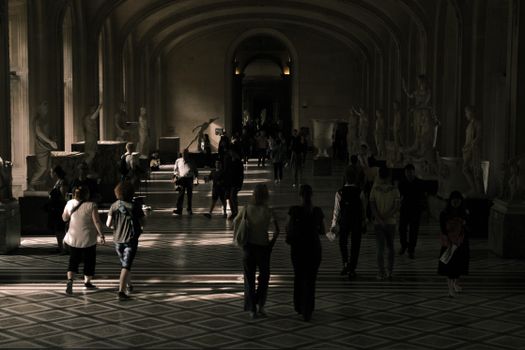 Photo: Daniel Nouri / Pexels
When discussing the best art museums in the US, it's impossible not to begin with The Metropolitan Museum of Art, affectionately known as 'The Met.' Located in New York City, The Met is not merely a museum; it's a sprawling universe of human creativity, encompassing over two million works of art spanning 5,000 years of world culture. Its sheer scale and the breadth of its collections are staggering. From the ancient Egyptian temples reassembled within its walls to the meticulously preserved period rooms of European aristocracy, from the intricate armor of medieval knights to the vibrant canvases of Impressionist masters, The Met offers an unparalleled journey through art history.
The museum’s permanent collection is organized into 17 curatorial departments, each a world unto itself. Visitors can wander through the vast halls of the European Paintings gallery, home to masterpieces by Rembrandt, Vermeer, Van Gogh, and Monet. The American Wing celebrates the artistic heritage of the United States, featuring iconic works like Emanuel Leutze's 'Washington Crossing the Delaware.' The Asian Art galleries present an extraordinary array of calligraphy, ceramics, sculpture, and textiles, while the Arts of Africa, Oceania, and the Americas showcase the rich cultural traditions of these continents. The Costume Institute, famous for its annual Met Gala, holds an impressive collection of historical and contemporary fashion, making it a must-see for anyone interested in textile arts.
Beyond its permanent displays, The Met is renowned for its ambitious special exhibitions, which often draw international attention. These temporary shows delve deep into specific artists, periods, or themes, offering fresh perspectives and bringing rarely seen works to the public. For those looking for an even broader experience, The Met also includes The Met Cloisters in northern Manhattan, a branch dedicated to the art and architecture of medieval Europe, set within tranquil gardens overlooking the Hudson River. This unique site offers a stark contrast to the bustling main Fifth Avenue building, providing a serene escape and a deeper dive into a specific era.
A visit to The Met requires careful planning due to its immense size. It’s highly recommended to identify specific galleries or exhibitions you wish to prioritize beforehand to make the most of your time. Guided tours, audio guides, and detailed maps are invaluable tools for navigating its labyrinthine corridors. The museum also offers various dining options, from casual cafes to fine dining, ensuring visitors can refuel during their extensive exploration. The Met truly epitomizes the concept of a global art institution, offering an educational and aesthetically rich experience that few other places can match. Its commitment to preserving and presenting the world's artistic heritage makes it a cornerstone among the best art museums in the US, attracting millions of visitors annually.
Discover more about iconic arts institutions and plan your visit to this cultural titan.
Accessibility is a key focus for The Met, ensuring that art is available to everyone. They offer accessible entrances, elevators, and restrooms throughout the museum, along with programs and resources for visitors with disabilities. This dedication to inclusivity further solidifies its standing as a world-class institution. Educational programs for all ages, from family workshops to scholarly lectures, are also a significant part of The Met's mission, fostering a deeper understanding and appreciation of art among diverse audiences. The museum's store is also a destination in itself, offering a wide range of art books, reproductions, and unique gifts inspired by its collections, allowing visitors to take a piece of The Met home with them. Its central location in New York City also makes it easily accessible via public transportation, integrating it seamlessly into any city itinerary.
The Art Institute of Chicago: Impressionism and Beyond
Nestled in the heart of Chicago, The Art Institute of Chicago stands as another titan among the best art museums in the US, celebrated particularly for its extraordinary collection of Impressionist and Post-Impressionist paintings. This museum is a beacon for art lovers, housing an encyclopedic collection that spans centuries and continents, yet it is often the vibrant works of French masters that draw the most immediate adoration. Here, you can stand before Georges Seurat’s monumental 'A Sunday on La Grande Jatte – 1884,' a defining work of Pointillism, and marvel at the meticulous application of color. The museum also boasts an impressive array of works by Claude Monet, including several of his 'Haystacks' and 'Water Lilies' series, allowing visitors to trace the evolution of his revolutionary approach to light and color. Vincent van Gogh’s 'The Bedroom' and numerous pieces by Renoir, Degas, and Toulouse-Lautrec further solidify its reputation as a premier destination for 19th-century European art.
However, The Art Institute's treasures extend far beyond Impressionism. Its diverse holdings include significant collections of African art, ancient and Byzantine art, European decorative arts, and a particularly strong collection of American art, featuring iconic works by Edward Hopper ('Nighthawks') and Grant Wood ('American Gothic'). The Thorne Miniature Rooms, a series of exquisitely detailed scale models depicting European and American interiors from the 13th century to the 1930s, offer a unique and fascinating glimpse into historical domestic life and craftsmanship. The modern and contemporary art wing is equally compelling, showcasing works by Picasso, Matisse, Pollock, and Warhol, demonstrating the museum's commitment to collecting and exhibiting the full spectrum of artistic expression.
The museum’s architecture itself is a blend of historic grandeur and modern design. The original Beaux-Arts building is complemented by the contemporary Pritzker Pavilion-adjacent Modern Wing, designed by Renzo Piano, which provides expansive, light-filled galleries for its 20th and 21st-century collections. This architectural juxtaposition enhances the visitor experience, creating dynamic spaces for art appreciation. The Art Institute is also deeply committed to education and research, offering a wide range of public programs, lectures, and scholarly resources. Its location in Grant Park, with stunning views of the city skyline and Lake Michigan, adds to its appeal, making it a central cultural landmark in Chicago.
Visiting The Art Institute is an immersive experience. Consider taking advantage of their free daily tours led by knowledgeable docents, which offer insightful perspectives on specific collections or exhibitions. The museum's commitment to accessibility is evident through its various facilities and programs designed to accommodate all visitors. Like The Met, it’s advisable to plan your visit to maximize your time, as there is an immense amount to see. The museum's gift shops offer a curated selection of art books, prints, and unique gifts, perfect for commemorating your visit. The Art Institute of Chicago truly offers a comprehensive and enriching art experience, solidifying its place among the best art museums in the US and a must-visit for anyone traveling to the Midwest.
Museum of Modern Art (MoMA): A Beacon of Contemporary Vision
The Museum of Modern Art (MoMA) in New York City is an undisputed leader among the best art museums in the US for its unparalleled dedication to modern and contemporary art. Since its founding in 1929, MoMA has been at the forefront of defining and collecting the art of its time, presenting a dynamic and ever-evolving narrative of human creativity from the late 19th century to the present day. Its collection is a treasure trove of iconic works that have shaped the course of modern art, making it an essential pilgrimage for anyone interested in the movements and artists that have challenged conventions and pushed boundaries.
MoMA's permanent collection includes some of the most recognizable and influential artworks in the world. Visitors can marvel at Vincent van Gogh’s swirling masterpiece 'The Starry Night,' ponder the existential angst of Pablo Picasso’s 'Les Demoiselles d'Avignon,' and immerse themselves in the surreal landscapes of Salvador Dalí’s 'The Persistence of Memory.' The museum also houses significant works by Henri Matisse, Frida Kahlo, Jackson Pollock, Andy Warhol, and countless other luminaries. Beyond painting and sculpture, MoMA's collection is remarkably comprehensive, encompassing photography, architecture and design, drawing, prints and illustrated books, film, and media. Its film archives are particularly extensive, frequently presenting screenings of classic and experimental cinema.
The architecture and design galleries showcase groundbreaking industrial design objects, furniture, and architectural models, demonstrating how art permeates every aspect of our lives. The photography collection traces the medium's history from its inception to contemporary digital practices, featuring works by titans like Ansel Adams and Cindy Sherman. MoMA's commitment to contemporary art means its galleries are constantly evolving, with new acquisitions and rotating exhibitions keeping its offerings fresh and relevant. The museum underwent a significant expansion and renovation, completed in 2019, which enhanced visitor experience with more gallery space, clearer circulation, and improved amenities, further solidifying its status as a world-class institution.
Beyond its extensive collections, MoMA is a vibrant cultural hub. It hosts a robust schedule of special exhibitions, often focusing on emerging artists, challenging themes, or in-depth retrospectives of established figures. Educational programs, lectures, and workshops cater to a diverse audience, fostering dialogue and deeper engagement with contemporary art. The museum also features several dining options, from a casual cafe to The Modern, a two-Michelin-starred restaurant, offering a complete cultural and culinary experience. The MoMA Design Store, with locations both within the museum and across the city, is famous for its curated selection of design objects, books, and gifts, reflecting the museum's aesthetic.
Visiting MoMA is an exploration of the avant-garde and a journey through the artistic innovations of the past 150 years. It’s highly recommended to purchase tickets in advance, especially during peak seasons, and to check their website for current exhibitions and events. For those passionate about groundbreaking
contemporary arts, MoMA is an indispensable destination among the best art museums in the US, offering endless inspiration and provocation. Its dynamic approach to collecting and exhibiting ensures that each visit offers something new and thought-provoking, making it a perennial favorite for both seasoned art enthusiasts and curious newcomers.
Maximizing Your Museum Experience: Tips for Art Enthusiasts
Visiting any of the best art museums in the US, especially the colossal institutions mentioned, can be an overwhelming yet incredibly rewarding experience. To truly maximize your time and appreciation, a strategic approach is key. Here are some essential tips:
* **Research Before You Go:** Don't arrive blindly. Check the museum's website for current exhibitions, permanent collection highlights, and any special events. Knowing what you want to see most will help you prioritize and navigate. Many museums offer online maps or suggested itineraries.
* **Allocate Ample Time:** Major art museums are not meant for a quick dash. Plan to spend at least 3-4 hours, or even a full day, at larger institutions like The Met or The Art Institute. Rushing through will diminish your ability to truly absorb the art.
* **Consider Guided Tours or Audio Guides:** These resources can significantly enhance your understanding and appreciation of the artworks. Docent-led tours often provide insightful commentary and context that you might otherwise miss. Audio guides allow you to explore at your own pace while still gaining valuable information.
* **Pace Yourself and Take Breaks:** Art fatigue is real! Don't try to see everything in one go. Take breaks in museum cafes, gift shops, or outdoor spaces. Sitting on a bench and simply observing the art and people around you can also be a valuable part of the experience.
* **Focus on a Few Key Areas:** Instead of trying to see every single piece, choose a few galleries or exhibitions that genuinely interest you and delve deeply into them. It's better to truly appreciate a smaller selection of art than to superficially glance at everything.
* **Visit During Off-Peak Hours:** Weekday mornings or late afternoons are often less crowded than weekends. Check the museum's operating hours and try to avoid peak times for a more serene experience.
* **Wear Comfortable Shoes:** You'll be doing a lot of walking, often on hard floors. Comfortable footwear is non-negotiable for an enjoyable museum visit.
* **Engage with the Art:** Don't just look; think. What emotions does the art evoke? What questions does it raise? Read the labels, consider the historical context, and allow yourself to connect with the work on a personal level.
* **Check for Accessibility Services:** If you or someone in your party has accessibility needs, check the museum's website for information on accessible entrances, elevators, wheelchairs, and specific programs.
* **Support the Museum:** Consider becoming a member if you visit frequently, or make a donation. Your support helps these institutions continue their vital work of preserving and presenting art for future generations.
By following these tips, you can transform a simple museum visit into a profound and memorable journey through the world of art, ensuring you get the most out of your exploration of the best art museums in the US.