
Explore the Best Art Museums in New York City
Uncover the masterpieces and hidden treasures within NYC's world-renowned art institutions.
Plan Your Art JourneyKey Takeaways
- ✓ New York City boasts over 100 art museums and galleries.
- ✓ The Metropolitan Museum of Art alone houses over two million works spanning 5,000 years.
- ✓ Many smaller museums offer unique, focused collections often overlooked by first-time visitors.
- ✓ Several museums offer free admission or pay-what-you-wish options on specific days/times.
How It Works
Consider if you prefer classical, modern, contemporary, or niche art forms. This helps narrow down the vast options available in NYC.
Check museum hours, admission fees, and public transport options. NYC's subway system makes most museums highly accessible.
Estimate how much time you'll need for each museum. Large institutions like The Met can easily take a full day, while smaller ones might be 2-3 hours.
Many museums host temporary exhibitions that rotate throughout the year. Check their websites for current and upcoming shows to enhance your experience.
Iconic Institutions: The Pillars of NYC's Art Scene
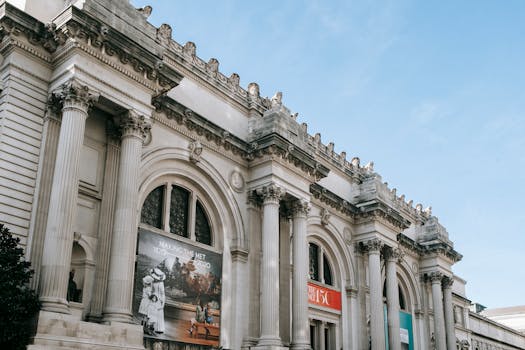 Photo: Charles Parker / Pexels
Just a short walk away, also on Museum Mile, is the Solomon R. Guggenheim Museum. This architectural marvel, designed by Frank Lloyd Wright, is a work of art in itself. Its spiraling ramp design creates a unique viewing experience, leading visitors on a continuous journey through its collection of Impressionist, Post-Impressionist, Early Modern, and contemporary art. Key artists represented include Wassily Kandinsky, Pablo Picasso, and Vincent van Gogh. The Guggenheim's focus on 20th-century art makes it a vital destination for those interested in modern movements. Its special exhibitions are often avant-garde and thought-provoking, pushing the boundaries of contemporary art. The museum's unique structure means that even the act of moving through the building is an artistic experience. The natural light filtering through the skylight at the top of the rotunda illuminates the works beautifully, drawing visitors upwards.
Across Central Park, in Midtown Manhattan, lies the Museum of Modern Art (MoMA). MoMA is arguably the most influential modern art museum in the world, boasting an extraordinary collection that chronicles the development of modern and contemporary art from the late 19th century to the present. Its holdings include masterpieces such as Van Gogh’s 'The Starry Night,' Picasso’s 'Les Demoiselles d’Avignon,' and Warhol’s 'Campbell’s Soup Cans.' Beyond painting and sculpture, MoMA's collection extends to photography, film, architecture and design, drawings, and prints, offering a comprehensive look at modern creative expression. The museum's recent expansion has added more gallery space, allowing for a more chronological and thematic presentation of its vast collection. MoMA is a dynamic institution, constantly re-evaluating and presenting new perspectives on modern art, making it a must-visit for anyone interested in the evolution of artistic thought. Its gift shop is also renowned for its design objects and art books, making it a destination in itself. Exploring these titans of the art world offers an unparalleled introduction to the rich tapestry of artistic achievement.
Contemporary Visionaries and Diverse Perspectives
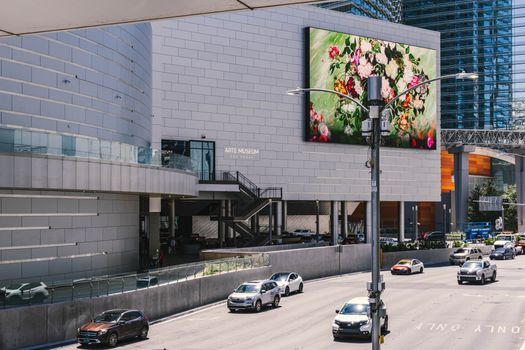 Photo: Abhishek Navlakha / Pexels
Moving downtown, the New Museum of Contemporary Art on the Bowery is a beacon for cutting-edge art. It is the only museum in New York City exclusively devoted to contemporary art from around the world. With its distinctive stacked-box architecture, designed by SANAA, the New Museum is a striking presence in a neighborhood known for its artistic history. The museum focuses on presenting new art and new ideas, often featuring artists who are not yet widely recognized. Its exhibitions are frequently experimental, challenging, and thought-provoking, making it an essential stop for those who want to be at the forefront of contemporary art trends. The New Museum often hosts public programs, talks, and performances that engage with the themes of its exhibitions, fostering a dynamic dialogue between artists and the public.
For a truly immersive and thought-provoking experience, PS1, an affiliate of MoMA located in Long Island City, Queens, is a must-visit. Housed in a former public school building, PS1 is one of the oldest and largest non-profit contemporary art institutions in the United States. It is known for its experimental exhibitions, performance art, and its commitment to showcasing the work of emerging artists. PS1's raw, industrial spaces provide a unique backdrop for contemporary art, often allowing artists to create site-specific installations that interact directly with the building's history and architecture. Its outdoor courtyard hosts the popular 'Warm Up' summer music series, blending art and culture in a vibrant social setting. PS1 offers a different kind of museum experience – less formal, more exploratory, and deeply engaged with the contemporary art discourse. These museums collectively demonstrate NYC's commitment to not only preserving art history but also actively shaping its future, providing platforms for diverse voices and innovative expressions. They are crucial for understanding the evolving landscape of contemporary art and its impact on society.
Hidden Gems and Specialized Collections for the Discerning Art Lover
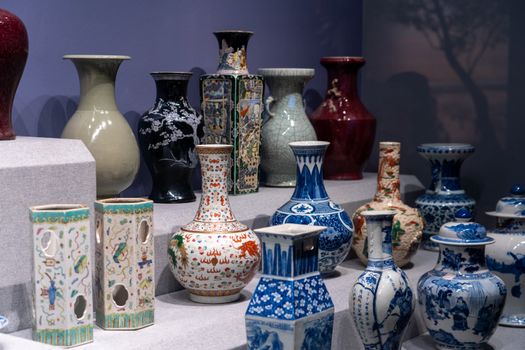 Photo: Peter Xie / Pexels
Another remarkable specialized museum is The Morgan Library & Museum. Originally the private library of financier Pierpont Morgan, this architectural masterpiece now serves as a public museum and research library. It houses an extraordinary collection of rare books, manuscripts, drawings, and ancient artifacts. Visitors can marvel at medieval illuminated manuscripts, original scores by Mozart and Beethoven, and drawings by Michelangelo and Leonardo da Vinci. The library's opulent interiors, including its soaring East Room, are works of art in themselves, transporting visitors to a bygone era of scholarly pursuit and refined taste. The Morgan also hosts rotating exhibitions that delve into specific aspects of its collection or related themes, making it a fascinating destination for lovers of literature, history, and the visual arts.
For those interested in Asian art, the Asia Society Museum on the Upper East Side offers a curated collection of traditional and contemporary Asian and Asian American art. Its exhibitions often explore the cultural richness and diversity of Asia, providing insights into various artistic traditions from across the continent. The Rubin Museum of Art, located in Chelsea, is entirely dedicated to the art and culture of the Himalayas, India, and neighboring regions. With a focus on Tibetan Buddhist art, the Rubin offers a unique spiritual and aesthetic journey through its extensive collection of sculptures, paintings, and ritual objects. The museum often incorporates sound, light, and interactive elements into its exhibitions, creating a multi-sensory experience. These smaller, specialized museums prove that the best art museums in New York City aren't just about size; they're about depth, focus, and the power to transport and enlighten. Discovering these niche collections can be incredibly rewarding for those seeking a more focused and personal art encounter. Each offers a unique window into specific aspects of human creativity and cultural heritage.
Maximizing Your Museum Experience: Tips and Common Mistakes
 Photo: Greta Hoffman / Pexels
Comparison
| Feature | The Met | MoMA | The Whitney | The Frick Collection |
|---|---|---|---|---|
| Primary Focus | Global Art, 5000 years | Modern & Contemporary | American Art (20th/21st C) | Old Masters, Decorative Arts |
| Location | Upper East Side | Midtown Manhattan | Meatpacking District | Upper East Side |
| Estimated Visit Time | Full Day+ | 3-5 Hours | 2-4 Hours | 1.5-3 Hours |
| Architecture Highlight | Grand Beaux-Arts | Sleek Modern | Industrial Chic | Gilded Age Mansion |
| Family-Friendly | ✓ | ✓ | ✓ | ✗ (quiet atmosphere) |
| Special Exhibitions | Frequent Blockbusters | Cutting-Edge | Biennial Focus | Curated, Thematic |
What Readers Say
"Visiting the best art museums in New York City was an unforgettable experience. The Met felt like stepping into another world, and MoMA's collection was truly inspiring. I spent two full days just on these two, and it was worth every minute."
Sarah J. · Boston, MA"As an art enthusiast, I was blown away by the diversity. The Guggenheim's architecture alone is a masterpiece, and the New Museum offered such fresh, thought-provoking contemporary works. It truly cemented NYC as a global art hub."
Michael D. · London, UK"This guide helped me plan my trip perfectly! I discovered the Frick Collection, which was a serene and beautiful escape, showcasing incredible Old Masters. I would have missed it without this detailed breakdown of the best art museums in New York City."
Emily R. · Chicago, IL"The major museums are incredible, though quite crowded. I appreciated the recommendation to visit PS1 for a more experimental vibe – it was a fantastic change of pace and really showcased emerging talent. Overall, a comprehensive art journey."
David L. · Los Angeles, CA"I brought my teenagers, and even they found something to love. The Whitney's views and modern art captivated them, and they even enjoyed the design exhibits at MoMA. It's a testament to how engaging the best art museums in New York City can be for all ages."
Jessica M. · Seattle, WAFrequently Asked Questions
What are the absolute must-visit best art museums in New York City for a first-timer?
For a first-timer, The Metropolitan Museum of Art (The Met) and the Museum of Modern Art (MoMA) are indispensable. The Met offers an encyclopedic collection spanning global art history, while MoMA is the world's premier institution for modern and contemporary art. These two provide a comprehensive, albeit vast, introduction to NYC's art scene.
Are there any free or low-cost art museums in NYC?
Yes, several museums offer free or 'pay-what-you-wish' admission. The Bronx Museum of Art and the American Folk Art Museum are always free. The Met has a suggested admission for New York State residents and students, meaning you can pay what you wish. MoMA PS1 is also suggested admission for NYC residents. Always check individual museum websites for current policies and specific free hours.
How should I plan my museum visits to avoid fatigue?
Plan to visit no more than one very large museum (like The Met) per day, or combine one large museum with a smaller, more focused one. Break up your visit with meals, coffee breaks, or even a walk in a nearby park. Prioritize specific wings or exhibitions you want to see most, rather than trying to cover everything. Comfortable shoes are also essential.
What's the best way to get tickets for the best art museums in New York City?
It's highly recommended to purchase tickets online in advance through the museum's official website. This often allows for timed entry, helps you skip long lines, and ensures availability, especially for popular special exhibitions. Some museums may have different pricing for general admission versus special exhibition access, so read carefully.
How do contemporary art museums in NYC differ from traditional ones?
Contemporary art museums like The Whitney, MoMA, and the New Museum focus on art from the late 19th, 20th, and 21st centuries, often featuring experimental, abstract, or socially relevant works by living artists. Traditional museums like The Met or The Frick typically house older works, from ancient artifacts to Old Master paintings, emphasizing historical context and classical aesthetics. Both offer unique and enriching experiences.
Who would enjoy visiting the best art museums in New York City?
Anyone with an appreciation for culture, history, creativity, and visual storytelling will enjoy NYC's art museums. From seasoned art historians and students to curious tourists and families, the diverse range of collections ensures there's something to captivate every interest and age group. It's an unparalleled opportunity to engage with human ingenuity across millennia.
Is it safe to carry a large bag or backpack into NYC art museums?
Most major art museums in NYC have strict bag policies. Large backpacks, oversized bags, and sometimes even smaller bags may need to be checked at a coat check or are not permitted in the galleries. This is for the safety of the artworks and other visitors. It's best to travel light or be prepared to use the coat check facilities, often for a small fee.
What's the future trend for art museums in New York City?
The trend for art museums in NYC is increasingly focused on accessibility, digital integration, and engaging with contemporary social issues. Expect more interactive exhibits, virtual reality experiences, and a continued emphasis on diverse representation in collections and programming. Museums are also actively working to make their spaces more inclusive and sustainable, adapting to evolving visitor expectations and technological advancements.
Embark on an unforgettable cultural adventure and immerse yourself in the unparalleled artistic treasures of the Big Apple. Whether you're drawn to ancient masterpieces or cutting-edge contemporary works, the best art museums in New York City offer an enriching experience for every enthusiast. Start planning your personalized art itinerary today and discover why NYC remains a global epicenter for art and culture.