✓ Art books provide structured learning paths, essential for beginners.
✓ The right book can demystify complex techniques like perspective and color theory.
✓ Interactive exercises within books accelerate skill development.
✓ Art history and appreciation books broaden understanding and inspiration.
How It Works
1
Identify Your Interest
Determine if you're drawn to drawing, painting, sculpture, or a specific medium. This helps narrow down the vast selection of art books.
2
Prioritize Fundamentals
Look for books that emphasize foundational skills like line, shape, form, value, and perspective. Mastering these is crucial before moving to advanced topics.
3
Seek Clear Instruction
Choose books with clear, step-by-step instructions, ample illustrations, and practical exercises. Avoid overly academic or abstract texts initially.
4
Practice Regularly
The most effective way to learn from an art book is to actively engage with its content. Dedicate consistent time to practice the techniques and complete the exercises.
Why Quality Art Instruction Books Are Essential for New Artists
Photo: Veronika Andrews / Pexels
Embarking on an artistic journey can feel overwhelming. The blank canvas or pristine sketchbook often presents a daunting challenge, leaving many aspiring artists unsure where to begin. This is precisely where high-quality art instruction books become indispensable tools, especially for beginners. Unlike scattered online tutorials or fleeting workshops, a well-structured art book provides a coherent, progressive learning path. It acts as a patient, ever-present mentor, guiding you through foundational principles at your own pace. These books break down complex concepts into digestible, step-by-step lessons, making the learning process less intimidating and more enjoyable. They often start with the absolute basics, such as understanding different drawing tools, mastering basic shapes, and developing hand-eye coordination. Without this structured approach, beginners might jump ahead to advanced techniques without a solid grasp of the underlying fundamentals, leading to frustration and stalled progress. Furthermore, art books offer the unique advantage of being a tangible resource. You can highlight passages, make notes in the margins, and easily revisit specific sections whenever you need a refresher. This active engagement with the material fosters deeper understanding and retention. Many books also include exercises and prompts that encourage immediate application of learned concepts, transforming passive reading into active skill development. They provide a safe space for experimentation, allowing you to try out new techniques without the pressure of an audience or a strict deadline. Beyond just technique, many of the best art books for beginners also introduce fundamental art theory, such as color theory, composition, and perspective. These theoretical underpinnings are crucial for developing a strong artistic voice and creating visually compelling works. Understanding why certain colors work together or how to create depth on a two-dimensional surface elevates your art from mere imitation to thoughtful creation. For instance, a book might dedicate an entire chapter to understanding light and shadow, providing numerous examples and exercises to help you master chiaroscuro. This depth of coverage is often difficult to achieve through short online videos alone. Moreover, art books can serve as a constant source of inspiration, showcasing works by master artists or providing diverse examples of how techniques can be applied. They open up new avenues of exploration, encouraging you to experiment with different styles and mediums. In essence, investing in a good art book is investing in your artistic foundation, providing the knowledge, inspiration, and practical guidance needed to cultivate your skills and confidently express your creativity.
Top Recommendations for Drawing Fundamentals: Your First Lines
Photo: Ivan S / Pexels
For many beginners, drawing is the gateway to the broader world of art. It's the most accessible starting point, requiring minimal tools and offering immediate feedback. Therefore, selecting the right books for drawing fundamentals is paramount. These books don't just teach you how to draw; they teach you how to see – a crucial skill for any artist. One highly recommended title is 'Drawing on the Right Side of the Brain' by Betty Edwards. This classic isn't just about technique; it's a revolutionary approach to perception. Edwards argues that traditional art education often stifles creativity by over-relying on the left, logical brain. Her exercises are designed to engage the right, creative brain, leading to significant breakthroughs in observational drawing. Beginners often report dramatic improvements in their ability to draw what they actually see, rather than what they 'think' they see. The book includes a series of specific exercises, such as upside-down drawing and contour drawing, which are incredibly effective for developing visual literacy and hand-eye coordination. Another cornerstone for fundamental drawing is 'Keys to Drawing' by Bert Dodson. Dodson's approach is incredibly practical and encouraging. He breaks down the drawing process into manageable 'keys,' or core concepts, such as finding the basic shape, understanding proportion, and developing a sense of gesture. His book is filled with engaging exercises that build confidence and skill progressively. Dodson emphasizes observation and encourages artists to draw from life, a practice that is invaluable for developing accuracy and expressiveness. The book's clear, friendly tone makes it an excellent companion for anyone feeling intimidated by drawing. For those interested in the structural aspects of drawing, 'Figure Drawing for All It's Worth' by Andrew Loomis, while originally published decades ago, remains a timeless resource. Loomis's methodical approach to constructing the human figure from basic forms is unparalleled. While it can be more challenging for absolute beginners, its principles on proportion, anatomy, and perspective are foundational for any artist aiming to draw people accurately. Many contemporary artists still refer to Loomis's methods for their clarity and effectiveness. A more modern and accessible option for understanding form and light is 'Framed Ink: Drawing and Composition for Visual Storytellers' by Marcos Mateu-Mestre. Although geared towards concept art and illustration, its principles of composition, light, and shadow are universally applicable to any drawing discipline. It teaches you how to think about your drawing as a complete image, guiding the viewer's eye and conveying mood. These books collectively provide a robust foundation in drawing, covering everything from basic perception to complex structural understanding, ensuring beginners develop a comprehensive skill set.
Exploring Color and Brushwork: Best Painting Books for Beginners
Photo: Michaela St / Pexels
Once a beginner feels confident with drawing, the natural progression often leads to the vibrant world of painting. Painting introduces new challenges and opportunities, primarily centered around color, medium handling, and brushwork. Choosing the right painting books is crucial for navigating this exciting, yet sometimes daunting, transition. For those diving into acrylics or oils, 'Color and Light: A Guide for the Realist Painter' by James Gurney is an absolute masterpiece. While not exclusively for beginners, its clear explanations of how light interacts with objects and how colors behave are invaluable. Gurney, an acclaimed artist, demystifies complex concepts like atmospheric perspective, local color, and reflected light with stunning illustrations and concise text. Understanding these principles is foundational for creating paintings that possess depth, realism, and a convincing sense of atmosphere. The book doesn't just show you what to do; it explains *why* things look the way they do, empowering you to make informed artistic decisions. Another excellent resource, particularly for understanding color mixing and application, is 'Carlson's Guide to Landscape Painting' by John F. Carlson. Although focused on landscapes, its lessons on value, tone, and the effects of light are universal. Carlson’s poetic yet practical advice on observing nature and translating it onto the canvas is incredibly inspiring. He emphasizes simplifying complex scenes into their essential elements, a critical skill for beginners who can often get overwhelmed by detail. His insights into capturing mood and atmosphere through careful manipulation of color and value are timeless. For watercolor enthusiasts, 'Watercolor for the Absolute Beginner' by Mark Willenbrink and Mary Willenbrink offers a gentle and comprehensive introduction. This book systematically covers everything from choosing materials to mastering basic washes, glazes, and lifting techniques. The Willenbrinks provide clear, step-by-step demonstrations and exercises that build confidence progressively. They demystify the often-tricky nature of watercolor, making it accessible and enjoyable for new artists. The book's focus on practical application ensures that learners are not just reading about techniques but actively practicing them. For those interested in abstract painting, 'Abstract Painting: The Elements of Visual Language' by Gino Rubert provides an excellent starting point. It breaks down abstract art into its fundamental components – line, shape, color, texture, and composition – making it approachable for beginners who might find abstract art intimidating. Rubert encourages experimentation and self-expression, guiding artists to develop their unique visual language. These painting books collectively provide a robust foundation, covering essential color theory, medium-specific techniques, and fundamental principles of observation and composition, enabling beginners to confidently wield their brushes and bring their visions to life on canvas. They serve as excellent companions whether you're exploring oils, acrylics, or the delicate nuances of watercolor, and they complement the drawing skills learned from books like 'Drawing on the Right Side of the Brain' or Keys to Drawing.
Beyond Technique: Art History, Appreciation, and Creative Inspiration
Photo: My Photos / Pexels
While technical proficiency is vital, a truly well-rounded artist also possesses a deep understanding of art history, appreciation, and a continuous source of creative inspiration. The best art books for beginners don't just teach you how to draw or paint; they also open your eyes to the rich tapestry of human creativity and provide context for your own artistic endeavors. Understanding the 'why' behind art is just as important as mastering the 'how.' For a broad overview of art history, 'The Story of Art' by E.H. Gombrich is an iconic and highly accessible choice. Gombrich's narrative style makes complex art movements and periods engaging and easy to understand, even for those with no prior knowledge. He traces the evolution of art from prehistoric cave paintings to modern movements, highlighting key artists, innovations, and cultural contexts. Reading this book helps beginners understand where different styles and techniques originated, providing a foundational understanding of the artistic lineage they are now joining. It's not just a collection of facts; it's a captivating journey through human expression. For daily creative prompts and to overcome artistic blocks, 'The Artist's Way' by Julia Cameron is a transformative guide. While not a traditional art instruction book, it's a powerful tool for unlocking creativity and nurturing the inner artist. Cameron’s program includes exercises like 'Morning Pages' and 'Artist's Dates' designed to help individuals reconnect with their creative impulses, overcome self-doubt, and build a consistent creative practice. Many artists, regardless of their skill level, credit this book with helping them break through creative barriers and sustain their artistic passion. It emphasizes the spiritual and psychological aspects of creation, which are often overlooked in purely technical guides. To delve into the creative process of individual artists, biographies and monographs are invaluable. For instance, a book on Vincent van Gogh or Frida Kahlo not only showcases their iconic works but also reveals their struggles, inspirations, and unique approaches to art-making. Understanding the lives and philosophies of these masters can provide profound insights and motivation for your own journey. Look for books that feature high-quality reproductions of artworks, as seeing the details and textures up close can be an educational experience in itself. Finally, for practical advice on maintaining an artistic practice and navigating the challenges of being an artist, 'Art & Fear: Observations On the Perils (and Rewards) of Artmaking' by David Bayles and Ted Orland offers candid and comforting wisdom. This slim but profound book addresses the universal struggles artists face – fear of failure, self-doubt, and the difficulty of bringing ideas to fruition. It reminds beginners that these challenges are normal and provides encouragement to persist. These books collectively build a holistic artistic foundation, moving beyond mere technique to foster appreciation, critical thinking, and enduring creative spirit. They validate the artistic journey and equip beginners with the mental fortitude to navigate its ups and downs.
Comparison
Feature
Drawing on the Right Side of the Brain
Keys to Drawing
Carlson's Guide to Landscape Painting
Watercolor for the Absolute Beginner
Primary Focus
Perceptual Drawing
Fundamental Drawing Skills
Landscape Painting (Oil/Acrylic)
Watercolor Techniques
Target Audience
Absolute Beginners
Beginners to Intermediate
Beginners to Intermediate
Absolute Beginners
Key Benefit
Transforms how you see
Practical, progressive exercises
Mastering light, value, composition
Step-by-step watercolor mastery
Exercises Included
✓
✓
✗ (more observational)
✓
Color Theory Coverage
Limited
Limited
Extensive
Good (watercolor specific)
What Readers Say
★★★★★
"'Drawing on the Right Side of the Brain' completely changed how I approach art. I never thought I could draw, but after just a few weeks with this book, I saw a dramatic improvement in my observational skills. It's truly one of the best art books for beginners."
Sarah J. · Austin, TX
★★★★★
"I was overwhelmed by painting until I picked up 'Carlson's Guide'. It demystified color and light in a way no other book had. My landscapes finally have depth and realism thanks to its timeless advice."
Michael D. · Portland, OR
★★★★★
"As an absolute beginner to art, 'Keys to Drawing' was my perfect starting point. The exercises were easy to follow, and I felt myself building confidence with every page. I now sketch daily and feel like a true artist!"
Emily R. · Chicago, IL
★★★★★
"'The Artist's Way' isn't a technique book, but it's essential for anyone starting their creative journey. It helped me overcome my creative blocks and realize that consistent effort is more important than raw talent. Some parts felt a bit abstract, but the core message is gold."
David L. · Miami, FL
★★★★★
"I tried various YouTube tutorials for watercolor with little success. 'Watercolor for the Absolute Beginner' was a game-changer. The step-by-step approach and clear visuals finally made sense, and I'm now creating beautiful washes and gradients."
Jessica M. · Denver, CO
Frequently Asked Questions
What is the single best art book for beginners to start with?
While 'best' is subjective, 'Drawing on the Right Side of the Brain' by Betty Edwards is almost universally recommended as an excellent starting point. It focuses on perceptual skills, which are foundational for all forms of art, and helps beginners see like an artist, dramatically improving their drawing ability.
Do I need to buy expensive art supplies to get started with these books?
Absolutely not! Most beginner art books advocate starting with basic, affordable supplies. For drawing, a simple pencil, sketchbook, and eraser are often sufficient. For painting, a small set of student-grade paints and a few brushes will suffice. The focus is on learning techniques, not on having the most lavish tools.
How long does it take to see results from using art books?
Results can vary, but many beginners report noticeable improvements within a few weeks of consistent practice. The key is regular engagement with the book's exercises. Small, consistent efforts over time yield significant progress, often more so than infrequent, long sessions.
Are digital art books as effective as physical ones for learning?
Digital art books offer convenience and portability, but physical books often provide a more immersive and less distracting learning experience. Many artists prefer the tactile feel of a physical book for art instruction, allowing them to easily flip between pages, make notes, and keep it open alongside their workspace without needing a device. However, high-quality digital versions can still be very effective.
Should I focus on drawing or painting first as a beginner?
Most experts recommend starting with drawing. Drawing teaches fundamental skills like observation, proportion, perspective, and composition, which are transferable to all other art forms, including painting. Building a strong drawing foundation will make learning to paint much easier and more rewarding.
What if I feel discouraged or my art doesn't look like the examples in the book?
It's completely normal to feel discouraged at times. Remember that the examples are by experienced artists. The purpose of these books is to guide your learning, not to make you replicate perfectly. Focus on understanding the concepts, practicing the techniques, and enjoying the process. Every artist's journey is unique, and progress is rarely linear. Persistence is key!
Are there any art books that combine drawing and painting instruction?
Yes, some comprehensive art instruction books cover both drawing fundamentals and introduce basic painting techniques. However, for a beginner, it's often more effective to start with a book specifically dedicated to drawing to build a strong foundation, and then move to a painting-specific book once those core skills are established.
How can I choose the best art books for beginners if I have a specific interest like comics or portraits?
Once you've grasped the general fundamentals from broader beginner books, you can then seek out specialized books for your specific interest. For comics, look for books on sequential art, character design, and paneling. For portraits, search for books dedicated to facial anatomy, rendering features, and capturing likeness. Always prioritize books that break down complex topics into manageable steps.
Ready to unleash your inner artist? Dive into the world of creativity with the best art books for beginners. These carefully selected guides will provide you with the knowledge, inspiration, and confidence to start your artistic journey today.

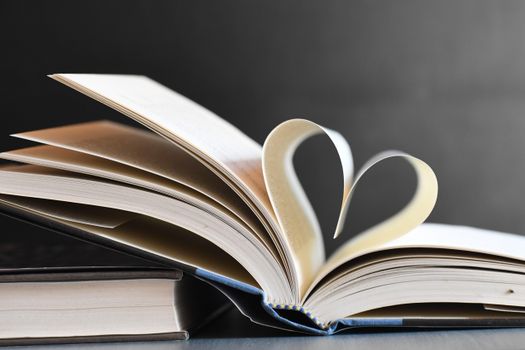 Photo: Veronika Andrews / Pexels
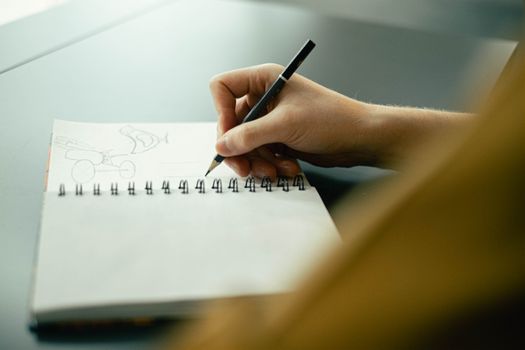 Photo: Ivan S / Pexels
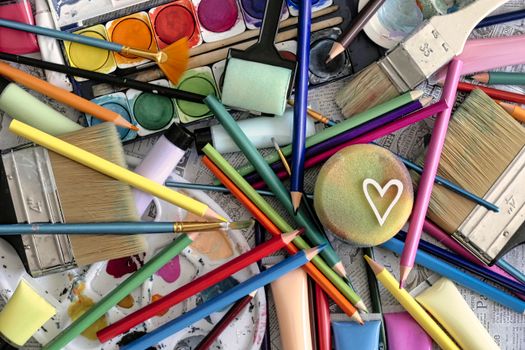 Photo: Michaela St / Pexels
 Photo: My Photos / Pexels