Unlocking Wellness: The Benefits of Art Therapy

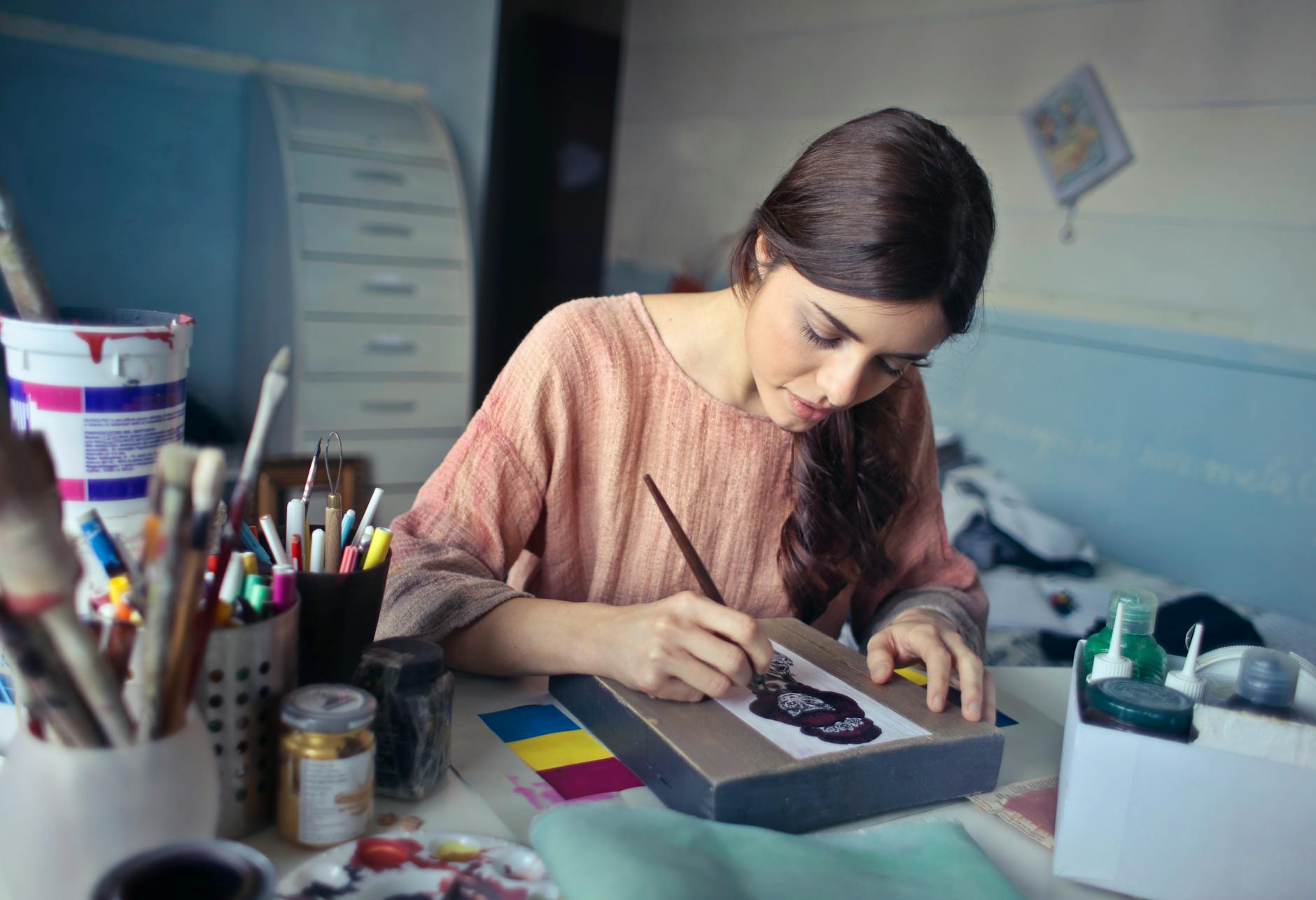
Female artist deeply engaged in painting at her creative studio workspace.Photo: Andrea Piacquadio / Pexels

Unlocking Wellness: The Benefits of Art Therapy

Engage your creativity to foster profound healing, self-discovery, and improved mental health through art therapy's transformative power.

Explore Art Therapy Now

Key Takeaways

  • ✓ Art therapy is a recognized mental health profession using creative processes to improve physical, mental, and emotional well-being.
  • ✓ It does not require artistic talent; the focus is on the process of creation, not the final product.
  • ✓ Art therapy is effective for all ages, from children navigating emotions to seniors addressing cognitive decline.
  • ✓ It helps in reducing stress, managing anxiety and depression, processing trauma, and enhancing self-esteem.

How It Works

1
Initial Assessment & Goal Setting

A qualified art therapist will meet with you to understand your needs, history, and therapeutic goals. Together, you'll establish a personalized plan for your sessions.

2
Creative Exploration & Expression

You'll engage in various art-making activities using different mediums like paint, clay, collage, or drawing. The focus is on expressing feelings, thoughts, and experiences without judgment.

3
Reflection & Interpretation

After creating, you and your therapist will discuss your artwork. This reflection helps to uncover insights, identify patterns, and gain a deeper understanding of your internal world.

4
Integration & Application

The insights gained are then integrated into your daily life. Your therapist helps you apply new coping strategies and self-awareness to address challenges and promote lasting well-being.

The Science Behind Creative Expression and Healing
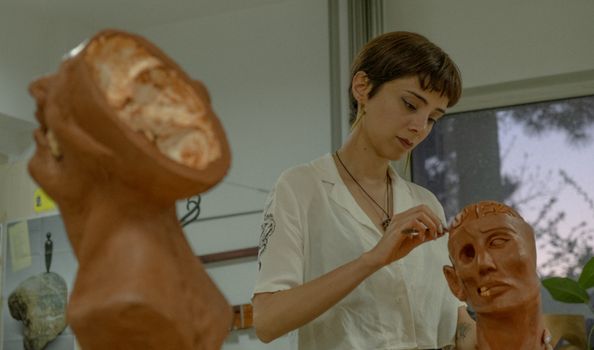
A woman artist carefully sculpting a clay model of a human head indoors.Photo: Furkan D / Pexels
The profound benefits of art therapy are not merely anecdotal; they are increasingly supported by scientific research, illuminating how engaging in creative expression can profoundly impact our mental and physical health. At its core, art therapy leverages the innate human capacity for creativity as a pathway to healing and self-discovery. When we engage in art-making, our brains undergo a fascinating series of changes. Neuroimaging studies have shown activation in regions associated with reward, emotion regulation, and self-awareness, such as the prefrontal cortex and the limbic system. This neural activity can lead to a reduction in stress hormones like cortisol and an increase in feel-good neurotransmitters like dopamine and serotonin, contributing to improved mood and a sense of calm. The act of creating provides a non-verbal outlet for emotions that might be difficult to articulate verbally. For individuals who have experienced trauma, for example, the verbal processing of events can sometimes be re-traumatizing. Art offers a safe, symbolic distance, allowing feelings and memories to be externalized and processed in a less threatening way. This externalization can help individuals gain perspective, develop a sense of control over their experiences, and begin to integrate fragmented memories. Moreover, art therapy fosters mindfulness. When deeply immersed in a creative task, individuals often enter a 'flow state,' a psychological concept described by Mihaly Csikszentmihalyi. In this state, one's attention is fully absorbed, time seems to disappear, and self-consciousness fades. This intense focus can be incredibly therapeutic, pulling individuals away from ruminative thoughts, anxiety, and depressive spirals, and grounding them in the present moment. It's a form of active meditation that cultivates presence and reduces mental clutter. The tactile nature of working with art materials also plays a significant role. The feel of clay, the smell of paint, the sound of a brush on canvas – these sensory experiences can be deeply grounding and calming, helping to regulate the nervous system. This is particularly beneficial for individuals struggling with sensory processing issues or those needing to reconnect with their bodies after dissociative experiences. Through repeated engagement, individuals can develop new neural pathways, enhancing their emotional resilience and problem-solving skills. The journey of creating, from concept to completion, often mirrors the journey of life, offering opportunities to practice patience, adapt to unexpected outcomes, and celebrate achievements. These experiences, when processed with a trained therapist, translate into real-world coping mechanisms and a strengthened sense of self. The benefits extend beyond individual sessions, impacting overall well-being and life satisfaction. For a deeper dive into the science of creativity, explore resources on how creativity impacts the brain. This understanding underscores why art therapy is not just a pleasant pastime but a powerful, evidence-based therapeutic intervention.

Art Therapy for Mental Health and Emotional Well-being

The application of art therapy in addressing a wide spectrum of mental health challenges and fostering emotional well-being is one of its most widely recognized and impactful aspects. It offers a unique and often more accessible entry point for individuals struggling with conditions like anxiety, depression, PTSD, eating disorders, and substance abuse. For those battling anxiety, the structured yet flexible nature of art-making can provide a much-needed sense of control and predictability. The act of drawing, painting, or sculpting can serve as a powerful distraction from anxious thoughts, redirecting mental energy towards a tangible, creative output. Furthermore, the process of bringing an internal feeling or thought into an external, visual form can help individuals to objectify their anxiety, making it feel less overwhelming and more manageable. They might create an image of their anxiety, giving it shape, color, and form, which then allows for a safer exploration and discussion of its characteristics with the therapist. In the context of depression, art therapy can be a vital tool for re-engaging with life and fostering a sense of accomplishment. Depression often saps motivation and energy, making even simple tasks feel monumental. Engaging in a creative project, however small, can ignite a spark of interest and provide a sense of purpose. The completion of an artwork, regardless of its aesthetic quality, offers a tangible representation of effort and perseverance, which can significantly boost self-esteem and counteract feelings of hopelessness. The therapist's role in this is crucial, providing encouragement and a non-judgmental space for expression. For individuals who have experienced trauma, art therapy is particularly potent. Trauma often manifests as unspeakable experiences, leaving individuals with fragmented memories and an inability to articulate their pain verbally. Art offers a pre-verbal language, allowing the individual to symbolically represent their trauma, emotions, and memories in a way that feels safe and controlled. Through images, colors, and forms, they can externalize their internal world, process difficult experiences at their own pace, and gradually integrate these memories into their narrative. This externalization can also help in developing a sense of mastery over the trauma, moving from victimhood to survivor. Furthermore, art therapy enhances emotional regulation. By visually representing emotions, individuals learn to identify, label, and understand their feelings more effectively. This process can lead to greater self-awareness and the development of healthier coping mechanisms. Instead of reacting impulsively to strong emotions, individuals learn to pause, express, and reflect, fostering a more thoughtful and regulated response. It also promotes self-discovery, allowing individuals to explore different facets of their identity, values, and beliefs through the creative process. This journey of self-exploration can be deeply empowering, leading to a stronger sense of self and increased resilience in facing life's challenges. The visual record created in art therapy sessions also provides a tangible timeline of progress and healing, offering a powerful reminder of growth and change.

Enhancing Communication and Personal Growth Through Art

Beyond addressing specific mental health conditions, art therapy serves as an exceptional catalyst for enhancing communication skills and fostering profound personal growth. In many therapeutic settings, verbal communication can be a barrier, especially for those who struggle with expressing complex emotions, children, or individuals with certain developmental or cognitive challenges. Art provides an alternative, non-verbal language that transcends these limitations. When words fail, images speak volumes. A client might not be able to articulate the feeling of being overwhelmed, but they can draw a tangled mess of lines, a dark storm, or a figure struggling under a heavy weight. This visual representation then becomes a starting point for dialogue with the therapist, opening doors to understanding and insight that might otherwise remain closed. The therapist can ask questions about the colors used, the shapes, the placement of elements, and the overall feeling evoked, guiding the client towards a deeper understanding of their internal experience. This process not only facilitates communication with the therapist but also improves an individual's ability to communicate their internal world to themselves. It fosters a richer inner dialogue and a more nuanced understanding of personal experiences. For children, in particular, art therapy is invaluable. Children often lack the verbal vocabulary to describe their feelings or process traumatic events. Through drawing, painting, or playing with clay, they can express fears, anger, sadness, and joy in a way that is natural and developmentally appropriate for them. The artwork becomes a bridge between their inner world and the therapist, allowing for therapeutic interventions that might not be possible through talk therapy alone. It helps them to process difficult emotions, build self-esteem, and develop healthy coping strategies. Moreover, art therapy is a powerful tool for personal growth and self-discovery. The creative process often involves problem-solving, decision-making, and adapting to unexpected outcomes. These experiences, when reflected upon, translate into valuable life skills. For example, learning to work through a challenging artistic block can mirror learning to overcome obstacles in daily life. The act of completing an artwork, regardless of its perceived aesthetic value, fosters a sense of accomplishment and competence, strengthening self-efficacy. It encourages individuals to experiment, take risks, and embrace imperfections, qualities that are crucial for resilience and personal development. Art therapy also provides a unique opportunity for individuals to explore their identity, values, and aspirations. Through self-portraits, symbolic representations, or narratives depicted in art, clients can gain a deeper understanding of who they are, what matters to them, and where they want to go. This self-exploration is not just about understanding the past but also about envisioning and creating a desired future. The tangible nature of the artwork serves as a visual record of this journey, offering a powerful reminder of growth, change, and the ability to shape one's own narrative. To learn more about the broader impact of creative pursuits, consider exploring articles on the role of arts in personal development. The transformative power of art therapy lies in its ability to unlock new forms of communication and pave the way for profound and lasting personal evolution.

Practical Tips for Exploring Art Therapy and Avoiding Common Misconceptions

Embarking on an art therapy journey can be incredibly rewarding, but it’s important to approach it with accurate expectations and practical considerations. Here are some tips for exploring art therapy and common misconceptions to avoid: **Tips for Exploring Art Therapy:** * **Find a Qualified Professional:** Always seek out a credentialed art therapist (ATR-BC in the US). These individuals have specific training in both art and psychology, ensuring a safe and effective therapeutic experience. You can often find directories through national art therapy associations. * **Be Open to the Process, Not the Product:** Remember, art therapy is about the journey of creation and what it reveals, not about making beautiful art. Let go of perfectionism and embrace experimentation. * **Try Different Mediums:** Don't limit yourself to just drawing or painting. Explore clay, collage, sculpture, digital art, or even textile arts. Different mediums can evoke different feelings and facilitate various forms of expression. * **Journal Alongside Your Art:** While not always required, journaling about your art-making process, your feelings during creation, and your reflections afterward can deepen insights and provide a richer context for discussion with your therapist. * **Be Patient with Yourself:** Healing and self-discovery are processes, not events. Some sessions might feel profound, while others might feel less impactful. Trust the cumulative effect of consistent engagement. * **Ask Questions:** Don't hesitate to ask your therapist about their approach, what to expect, or any concerns you might have. A good therapeutic relationship is built on trust and open communication. **Common Misconceptions to Avoid:** * **"I'm not artistic, so art therapy isn't for me."** This is the most common misconception. Art therapy requires absolutely no artistic talent or experience. The focus is on self-expression and the therapeutic process, not on producing a masterpiece. Stick figures and abstract scribbles are just as valid as detailed drawings. * **"It's just coloring or playing."** While art therapy can be playful, it is a serious mental health intervention guided by a trained professional. It involves clinical assessment, goal setting, and therapeutic interpretation, far beyond simple recreational art. * **"My therapist will 'read' my art and tell me what's wrong."** A qualified art therapist will never unilaterally interpret your artwork. Instead, they will guide you in exploring your own creation, asking questions that help *you* discover its meaning and relevance to your life. The meaning comes from you. * **"Art therapy is only for children or people with severe mental illness."** Art therapy is effective for individuals of all ages and across the spectrum of mental health needs, from those dealing with everyday stress to individuals processing complex trauma or grief. It's a versatile modality. * **"It's a quick fix."** Like any form of therapy, art therapy is a process that unfolds over time. Lasting change and deep insights require consistent effort and commitment. It's a journey of self-discovery, not an immediate solution. By understanding these points, you can approach art therapy with confidence, ready to harness its profound potential for healing and growth.

Comparison

FeatureArt TherapyTalk TherapyMedication
Primary ModalityCreative ExpressionVerbal CommunicationPharmacological
Requires Artistic SkillNoN/AN/A
Non-verbal ProcessingN/A
Self-Discovery FocusStrongStrongIndirect
Physical/Sensory Engagement
Side EffectsNoneNonePotential

What Our Readers Say

5 ★★★★★

"Art therapy helped me process grief in a way words never could. I didn't realize how much I was holding in until I started painting; it was incredibly cathartic and healing."

5 ★★★★★

"As someone who struggles with anxiety, the act of creating art during my sessions is incredibly grounding. It provides a tangible outlet for my worries and helps me feel more in control."

5 ★★★★★

"I was skeptical at first, but after a few months of art therapy, I've seen a dramatic reduction in my stress levels and a significant improvement in my emotional regulation. It truly transformed my approach to daily challenges."

4 ★★★★☆

"While I still rely on talk therapy, art therapy has added a powerful dimension to my healing journey. It's not always easy, but it definitely helps uncover deeper feelings I wasn't accessing before."

5 ★★★★★

"My son, who is non-verbal, has thrived in art therapy. It's given him a way to communicate his needs and emotions, leading to fewer meltdowns and a happier home environment. It's been life-changing for our family."

Frequently Asked Questions

What exactly are the benefits of art therapy?
The benefits of art therapy are extensive and varied, encompassing improved mental health, enhanced emotional regulation, stress reduction, trauma processing, and increased self-esteem. It provides a non-verbal outlet for expression, fosters self-discovery, and can significantly improve communication skills, leading to overall greater well-being and resilience.
Do I need to be 'good at art' to benefit from art therapy?
Absolutely not. This is one of the biggest misconceptions. Art therapy is not about artistic talent or creating aesthetically pleasing works; it's about the process of creation, self-expression, and the insights gained from it. All forms of expression are valid and welcomed, regardless of skill level.
How do I find a qualified art therapist?
To find a qualified art therapist, look for professionals with credentials such as ATR-BC (Registered Art Therapist – Board Certified) in the United States. You can search directories provided by organizations like the American Art Therapy Association (AATA) or consult with your primary care physician or mental health provider for referrals.
Is art therapy covered by insurance, and what is the typical cost?
Insurance coverage for art therapy varies widely depending on your specific plan and provider. Many insurance companies are increasingly recognizing it as a legitimate mental health service. It's best to check with your insurance provider directly about coverage. Costs for sessions can range from $75 to $200 per hour, depending on location, therapist's experience, and whether it's individual or group therapy.
How does art therapy differ from simply doing art as a hobby?
While engaging in art as a hobby offers recreational and stress-relieving benefits, art therapy is a clinical mental health profession. It is guided by a trained and credentialed art therapist who uses specific techniques and psychological principles to help clients achieve therapeutic goals, process emotions, and gain insights within a safe, structured environment. The intent and professional guidance are key differentiators.
Who can truly benefit from the benefits of art therapy?
Art therapy can benefit nearly anyone, regardless of age or artistic ability. It's effective for children navigating emotions, adolescents struggling with identity, adults managing stress or trauma, and seniors dealing with cognitive changes. Individuals with anxiety, depression, PTSD, grief, chronic illness, or those simply seeking self-discovery and personal growth can find it profoundly helpful.
Are there any risks associated with art therapy?
When conducted by a qualified and ethical art therapist, art therapy is generally considered very safe. The primary 'risk' might be uncovering difficult emotions or memories, but a trained therapist is equipped to guide you through these experiences in a supportive and contained manner, ensuring your well-being throughout the process. It's designed to be a safe space for exploration.
What are the future trends in art therapy?
Future trends in art therapy include increased integration with digital technologies, such as virtual reality and digital art tools, to expand access and modalities. There's also a growing emphasis on neuroaesthetics, exploring the brain's response to art, and a continued focus on evidence-based research to further validate its effectiveness in diverse populations and conditions.

Embrace the transformative power of creativity. Explore the profound benefits of art therapy and embark on a journey of healing, self-discovery, and enhanced well-being. Your path to a more vibrant and emotionally balanced life could begin with a single brushstroke.

Topics: benefits of art therapyart therapy mental healthcreative expression therapyemotional healing artart as therapy
Leo List
Brampton weed
Adultwork