Unlocking Healing: Art Therapy Benefits for Well-being
art therapy benefits

Unlocking Healing: Art Therapy Benefits for Well-being

Engage with creative expression to navigate challenges, find inner peace, and foster profound personal growth.

Explore Your Creativity

Key Takeaways

  • ✓ Art therapy is a recognized mental health profession utilizing creative processes to improve physical, mental, and emotional well-being.
  • ✓ It is not about artistic talent; the focus is on the process of creation and self-expression, not the final product.
  • ✓ Art therapy can be effective for individuals of all ages, from children to seniors, and across diverse populations.
  • ✓ Benefits include stress reduction, improved self-esteem, emotional release, and enhanced communication skills.

How It Works

1
Initial Consultation & Assessment

You'll meet with a credentialed art therapist to discuss your needs, goals, and history. This helps the therapist tailor the approach to your unique situation.

2
Creative Exploration & Process

Under guidance, you'll engage in various art-making activities using diverse materials. The focus is on the experience of creating and what emerges, rather than artistic skill.

3
Reflection & Dialogue

After creation, you'll discuss your artwork and the process with the therapist. This reflective dialogue helps uncover insights, emotions, and personal meaning.

4
Integration & Growth

The insights gained are then integrated into your understanding of yourself and your challenges. This leads to personal growth, coping strategies, and improved well-being.

Understanding the Emotional Release Through Creative Expression
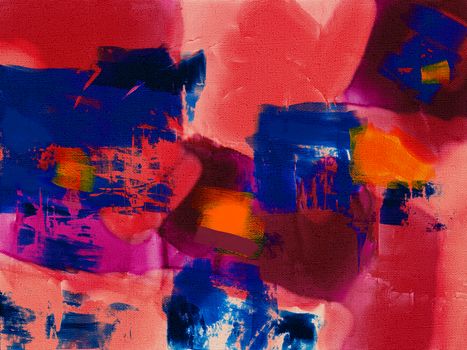
Explore bold color blocks in this dynamic abstract expressionist digital painting. Photo: Steve A Johnson / Pexels
In a world that often prioritizes verbal communication, many individuals struggle to articulate complex emotions, traumas, or anxieties. This is where the profound art therapy benefits truly shine, offering a non-verbal avenue for emotional release and exploration. The act of creating, whether it's painting, sculpting, drawing, or collage, provides a safe and contained space to externalize internal experiences. Instead of finding the 'right' words, individuals can convey their feelings through colors, shapes, textures, and forms. This bypasses cognitive defenses that might hinder verbal expression, allowing deeper, often subconscious, emotions to surface. For instance, someone grappling with anger might use vibrant, aggressive strokes and dark colors, while another experiencing grief might opt for muted tones and fragmented forms. The artwork becomes a tangible representation of their inner world, a visual diary of emotions that might otherwise remain bottled up. This externalization is a critical first step towards processing difficult feelings. Once an emotion is externalized and given form, it becomes something that can be observed, reflected upon, and understood from a new perspective. The art therapist plays a crucial role in facilitating this process, asking open-ended questions about the artwork: 'Tell me about this color,' 'What does this shape represent to you?' or 'How does creating this make you feel?' These prompts encourage deeper introspection without judgment, helping individuals connect their artistic choices to their emotional landscape. For those who have experienced trauma, where words can fail or trigger distress, art therapy offers a gentle yet powerful way to process memories and feelings without needing to verbally recount every detail. The creative act itself can be cathartic, releasing tension and stress built up within the body and mind. It provides a sense of control over one's narrative, even when external circumstances feel overwhelming. Moreover, the feeling of accomplishment from creating something, regardless of artistic skill, can significantly boost self-esteem and provide a sense of agency. This mastery over materials can translate into a greater sense of mastery over one's emotional responses, fostering resilience and coping mechanisms. The journey of emotional release through creative expression is not about producing masterpieces, but about uncovering truths and finding solace in the process of making.

Enhancing Self-Discovery and Personal Growth

Female artist deeply engaged in painting at her creative studio workspace. Photo: Andrea Piacquadio / Pexels
Beyond immediate emotional release, one of the enduring art therapy benefits is its capacity to foster profound self-discovery and personal growth. Engaging in art-making in a therapeutic setting encourages individuals to delve into their inner world, often uncovering aspects of themselves they were previously unaware of or had suppressed. The creative process acts as a mirror, reflecting back personal narratives, strengths, challenges, and desires. Through the choices made in art – the colors selected, the imagery depicted, the materials used – individuals can gain insights into their patterns of thought, behavior, and emotional responses. For example, consistently drawing enclosed figures might reveal a need for protection or boundaries, while a repetitive use of certain symbols could point to unresolved conflicts or aspirations. The therapist helps in deciphering these visual metaphors, guiding the individual to connect the artistic output with their life experiences and internal landscape. This journey of self-discovery is inherently empowering. As individuals begin to understand themselves better, they can identify areas for growth, challenge limiting beliefs, and develop new perspectives. Art therapy can be particularly effective in helping individuals redefine their identity, especially after significant life changes, trauma, or periods of self-doubt. It provides a safe space to experiment with new roles, express different facets of their personality, and envision future possibilities. The non-verbal nature of art also allows for the exploration of pre-verbal memories or deeply ingrained patterns that are difficult to access through talk therapy alone. By working with images and symbols, individuals can tap into unconscious material, bringing it to conscious awareness for processing and integration. This holistic approach addresses not just current symptoms but also the underlying dynamics that contribute to them. The consistent practice of creative self-expression in a therapeutic context builds resilience, self-awareness, and a greater sense of purpose. It teaches individuals to trust their intuition, embrace imperfection, and find beauty in their unique journey, laying a solid foundation for continuous personal evolution and well-being. The process itself builds a narrative of resilience, showing how one can move through challenges and emerge with new understandings and strengths.

Coping Mechanisms and Stress Reduction Through Art

In our fast-paced modern world, stress and anxiety are pervasive challenges. The art therapy benefits in developing effective coping mechanisms and reducing stress are well-documented and highly impactful. The very act of engaging in art-making can be deeply meditative and mindful, drawing one's focus to the present moment and away from overwhelming thoughts or worries. This immersion in the creative process can induce a 'flow state,' where time seems to disappear, and individuals experience a sense of calm and concentration. This is a powerful antidote to rumination and the constant mental chatter that often accompanies stress and anxiety. The rhythmic and repetitive motions involved in some art forms, like drawing patterns or kneading clay, can have a soothing effect on the nervous system, similar to meditation or deep breathing exercises. This physiological response contributes significantly to stress reduction. Moreover, art therapy equips individuals with tangible tools for managing stress outside of therapy sessions. Learning to use art as a personal outlet provides a healthy and constructive way to channel difficult emotions rather than suppressing them or resorting to less adaptive coping strategies. When feeling overwhelmed, an individual can turn to their sketchbook, paints, or clay to process their feelings, transforming internal chaos into external form. This provides a sense of control and agency over their emotional state. The process of creating also allows for problem-solving in a non-threatening environment. For example, an individual struggling with a complex decision might draw out the different paths or feelings associated with each choice, gaining clarity through visual representation. This visual problem-solving can be transferred to real-life situations, enhancing an individual's ability to navigate challenges more effectively. Furthermore, the collaborative aspect of group art therapy can foster a sense of community and reduce feelings of isolation, which often exacerbate stress. Sharing one's artwork and experiences with others in a supportive environment can validate feelings and build social connections, reinforcing healthy coping strategies. The multifaceted approach of art therapy makes it an invaluable resource for cultivating resilience and promoting overall mental and emotional well-being, offering a sustainable path to stress management and enhanced quality of life. Exploring various art forms can further personalize this journey.

Practical Tips for Integrating Art into Your Wellness Routine

While formal art therapy sessions with a qualified therapist offer the most profound benefits, you can still integrate elements of creative expression into your daily life to boost your well-being. Here are some practical tips to get started: * **Start Small and Simple:** You don't need expensive supplies or a dedicated studio. Begin with a simple sketchbook and a set of pencils, crayons, or watercolors. Even doodling during a phone call or coloring in an adult coloring book can be beneficial. The goal is engagement, not perfection. * **Focus on the Process, Not the Product:** Let go of the pressure to create something 'good.' The therapeutic value lies in the act of creation, the sensory experience, and the emotional release. Embrace imperfection and enjoy the journey. * **Experiment with Materials:** Don't limit yourself to drawing. Try painting, sculpting with clay, collage, making mandalas, or even digital art. Different materials evoke different feelings and can help you express various aspects of yourself. Explore what resonates with you. * **Create a Dedicated Space and Time:** Even if it's just a corner of a room, designate a space where you feel comfortable creating. Try to set aside a specific time each week, or even a few minutes daily, to engage in your chosen art form. Consistency helps build a routine. * **Journal Your Artistic Journey:** After creating, take a few moments to reflect. What colors did you use? How did you feel while creating? What thoughts or emotions emerged? Journaling alongside your art can deepen your self-discovery and help you track your emotional landscape. * **Connect with Nature:** Use natural elements in your art – leaves, twigs, stones. Or, draw/paint what you see in nature. This can enhance mindfulness and connection to the world around you. * **Join a Community Class:** If you feel intimidated doing it alone, consider a local art class. Many community centers offer beginner-friendly classes focused on enjoyment rather than skill, providing a supportive environment. * **Don't Be Afraid to Get Messy:** Art can be tactile and sensory. Allow yourself to get messy with paints or clay. It can be incredibly liberating and grounding. **Common Mistakes to Avoid:** * **Comparing Yourself to Others:** Everyone's artistic journey is unique. Avoid comparing your work to professional artists or even your peers. Your art is for *you*. * **Judging Your Own Art:** Resist the urge to criticize your creations. There's no right or wrong in expressive art. Every mark has meaning. * **Expecting Instant Breakthroughs:** While art therapy can be powerful, deep insights often unfold over time. Be patient with yourself and the process. * **Using Art as a Distraction Only:** While art can be a healthy distraction, ensure you also engage in reflection to process what emerges. Without reflection, some of the deeper therapeutic benefits can be missed. * **Ignoring Professional Help When Needed:** While self-guided art can be beneficial, it's not a substitute for professional art therapy if you are dealing with significant mental health challenges or trauma. A qualified art therapist provides expert guidance and a safe container for deep emotional work.

Comparison

FeatureArt TherapyTalk TherapyMeditationExercise
Expression MethodNon-verbal, visual, tactileVerbalInternal, sensoryPhysical, kinesthetic
FocusProcess, symbolism, emotionCognition, narrative, insightMindfulness, present momentPhysical health, moodEmotional ReleaseHigh (visual, tactile)Moderate (verbal)Moderate (internal)High (physical)AccessibilityModerate (requires therapist/materials)High (verbal)High (minimal tools)High (varied forms)
Self-DiscoveryDeep (symbolic, unconscious)Moderate (conscious narrative)Moderate (internal awareness)Low (indirect)Creativity Utilized

What Readers Say

"Art therapy helped me process my grief after losing my mother. I couldn't find the words, but painting allowed me to express the depth of my sadness and eventually find some peace. It was incredibly cathartic and transformative."

Sarah J. · Austin, TX

"As someone who struggles with anxiety, the art therapy benefits were immediate. The simple act of drawing and coloring helped quiet my racing thoughts and provided a much-needed mental break. I felt calmer and more centered after each session."

David M. · Seattle, WA

"I never considered myself artistic, but my therapist encouraged me to try. It's been amazing to see how my artwork reflects my inner struggles and triumphs. I've gained so much self-awareness and confidence; it's truly changed how I approach life's challenges."

Emily R. · Denver, CO

"While I found it challenging to interpret my own art initially, my therapist's guidance was invaluable. It took some getting used to, but over time, I started seeing patterns and understanding deeper parts of myself. It's a different kind of healing, but a powerful one."

Mark S. · Chicago, IL

"For my son, who has difficulty expressing his emotions verbally, art therapy has been a godsend. He communicates so much through his drawings, and it's helped us understand his world better. His behavior has improved, and he seems much happier."

Jessica L. · Miami, FL

Frequently Asked Questions

What exactly are the core art therapy benefits?

The core art therapy benefits encompass emotional release, stress reduction, enhanced self-esteem, improved communication skills, and fostering self-discovery. It provides a non-verbal outlet for individuals to process complex emotions, traumas, and anxieties, leading to greater insight and coping abilities.

Do I need artistic talent to benefit from art therapy?

Absolutely not. Artistic talent is irrelevant in art therapy. The focus is entirely on the process of creation, self-expression, and the insights gained, not on producing aesthetically pleasing artwork. Everyone can benefit, regardless of their perceived artistic ability.

How do I find a qualified art therapist?

To find a qualified art therapist, look for credentials such as ATR (Registered Art Therapist) or ATR-BC (Board Certified Art Therapist) in the US. You can search directories provided by organizations like the American Art Therapy Association (AATA) or inquire with local mental health clinics and hospitals for referrals.

Is art therapy expensive, and is it covered by insurance?

The cost of art therapy sessions can vary depending on location, therapist's experience, and whether it's individual or group therapy. Some insurance plans do cover art therapy, especially if it's provided by a licensed mental health professional. It's best to check with your insurance provider and the therapist directly regarding coverage and fees.

How does art therapy compare to traditional talk therapy?

While both aim for healing and personal growth, art therapy offers a distinct approach. It utilizes creative expression as the primary mode of communication, bypassing verbal limitations and accessing deeper, often unconscious material. Talk therapy relies mainly on verbal dialogue. They can also be complementary, with some individuals benefiting from a combination of both.

Who can particularly benefit from art therapy?

Art therapy can benefit a wide range of individuals, including those experiencing anxiety, depression, trauma, grief, chronic illness, relationship issues, or developmental challenges. It's also highly effective for children, adolescents, and individuals who struggle with verbal expression, offering a unique avenue for communication and healing.

Are there any risks or negative side effects associated with art therapy?

When conducted by a qualified and ethical art therapist, art therapy is generally safe. However, engaging with deep emotions or past traumas can sometimes be intense or uncomfortable. A skilled therapist provides a safe and supportive environment to process these feelings, ensuring the client's well-being throughout the process. It's important to communicate any distress to your therapist.

What are some emerging trends in art therapy?

Emerging trends in art therapy include the integration of digital art tools, increased focus on trauma-informed approaches, the use of art therapy in community and public health settings, and its growing application in palliative care and chronic pain management. There's also a rising interest in neuroaesthetics and how art impacts brain function for therapeutic outcomes.

Embrace the transformative power of creativity. Explore the profound art therapy benefits and embark on a journey of self-discovery, emotional healing, and enhanced well-being. Your path to a more balanced and expressive life awaits.

Topics: art therapy benefitscreative expression healingmental health artemotional well-being arttherapeutic art
Leo List

IE Escorts NO Escorts US Escorts NZ Escorts AU Escorts
Brampton weed
Adultwork EstrelaBet Vai de Bet R7 Bet Betão Galera Bet Rainbet Bet9ja Shop SportyBet BetKing Sisal Loto Foot Hollywoodbets YesPlay Odibets RushBet Jugabet BetWarrior BetCity MSport betPawa Fortebet