✓ Art therapy provides a non-verbal outlet for complex emotions.
✓ It helps reduce cortisol levels, the body's primary stress hormone.
✓ Engaging in art can improve self-awareness and self-esteem.
✓ Art therapy enhances coping mechanisms for anxiety triggers.
How It Works
1
Initial Assessment & Goal Setting
A certified art therapist will discuss your anxiety symptoms and personal goals. This helps tailor the creative process to your specific needs and challenges.
2
Creative Exploration & Expression
You'll engage with various art materials – paint, clay, collage – to express feelings and thoughts without needing words. The focus is on the process, not the artistic outcome.
3
Reflection & Interpretation
After creation, you and your therapist will discuss the artwork. This reflection helps uncover insights, patterns, and meanings related to your anxiety.
4
Integration & Coping Strategies
Insights gained are then integrated into your daily life. The therapist helps you develop new coping strategies and perspectives to manage anxiety effectively.
Understanding Anxiety and the Power of Creative Expression
Photo: Greta Hoffman / Pexels
Anxiety is a pervasive mental health challenge affecting millions across the United States. It manifests not just as worry, but often with physical symptoms like a racing heart, shortness of breath, and muscle tension, making daily life incredibly difficult. In a fast-paced world, finding effective, holistic strategies to manage anxiety is more crucial than ever. While traditional talk therapy and medication have their place, many individuals seek complementary approaches that address the emotional and physiological aspects of anxiety in a unique way. This is where art therapy, a recognized mental health profession, shines.
Art therapy offers a powerful, non-verbal avenue for individuals to explore and process their emotions, thoughts, and experiences. For someone grappling with anxiety, the very act of putting feelings into words can be overwhelming or feel impossible. Art provides a safe, symbolic language. Instead of trying to articulate the knot in your stomach or the relentless stream of worried thoughts, you can visually represent them through colors, shapes, and textures. This bypasses the need for verbal articulation, which can often be a barrier for those struggling with intense emotional states or trauma-related anxiety.
The core principle is that the creative process itself is therapeutic and healing. It’s not about producing a masterpiece; it’s about engaging in the act of creation. This engagement can lead to a state of flow, where time seems to disappear, and focus is intensely directed towards the present moment. This mindful engagement is inherently calming and can provide a much-needed respite from anxious rumination. By externalizing internal experiences through art, individuals gain a new perspective, allowing them to observe their anxieties from a distance rather than being consumed by them. This distance fosters a sense of control and empowerment, crucial elements in managing anxiety.
Furthermore, art therapy engages multiple senses and different parts of the brain. While verbal processing primarily uses the left hemisphere, creative activities activate the right hemisphere, promoting holistic brain integration. This can lead to deeper insights and a more profound sense of emotional release than purely cognitive approaches might offer. It's a way of 'thinking' with your hands and heart, allowing unconscious material to surface in a gentle, contained manner. The tactile experience of working with materials – the feel of clay, the smell of paint, the sound of a brush on canvas – can also be grounding and soothing, providing sensory input that helps to regulate the nervous system. This direct sensory engagement helps to pull individuals out of their anxious thought loops and into the present, fostering a sense of safety and calm. The exploration of various art forms within therapy provides a versatile toolkit for self-expression, allowing each individual to find their most resonant medium.
Direct Art Therapy Benefits for Anxiety: A Deeper Dive
Photo: George Milton / Pexels
The specific art therapy benefits for anxiety are multi-faceted and supported by both clinical experience and emerging research. One of the most immediate advantages is stress reduction. Studies have shown that creative activities, even simple ones like coloring or doodling, can significantly lower cortisol levels, the body's primary stress hormone. This physiological response contributes to a feeling of calm and relaxation, helping to break the cycle of anxiety-induced physical tension. Beyond immediate relief, art therapy cultivates long-term coping mechanisms, equipping individuals with tools to manage future anxious episodes more effectively.
Another significant benefit is enhanced emotional regulation. Anxiety often involves an overwhelming influx of emotions that can feel chaotic and unmanageable. Art therapy provides a container for these emotions, allowing them to be expressed and explored in a safe, structured way. For example, someone feeling intense anger related to their anxiety might choose to vigorously paint with bold, aggressive strokes, or sculpt a form that embodies their rage. This externalization helps to discharge pent-up emotional energy without destructive consequences. Once the emotion is externalized, it can be observed, discussed, and understood, leading to greater self-awareness and the ability to respond to emotions more thoughtfully rather than reactively.
Art therapy also plays a crucial role in improving self-esteem and self-worth, which are often eroded by chronic anxiety. When individuals create something, regardless of its artistic merit, they experience a sense of accomplishment and agency. This feeling of 'I made this' can be incredibly validating, especially for those who feel powerless in the face of their anxiety. The process encourages self-discovery and the recognition of personal strengths. As individuals gain confidence in their creative expression, this confidence often translates into other areas of their lives, empowering them to tackle challenges and advocate for themselves more effectively.
Furthermore, art therapy can facilitate problem-solving skills. By externalizing problems through visual metaphors, individuals can often see new perspectives and potential solutions that might not have been apparent through verbal analysis alone. For instance, a person struggling with decision-making due to anxiety might create a visual representation of their options, exploring the emotional weight and potential outcomes of each path. This visual mapping can simplify complex issues and clarify choices. It provides a tangible way to manipulate and reframe challenges, fostering a sense of control and creative thinking that directly counteracts the rigid, fear-based thought patterns often associated with anxiety. This creative problem-solving extends beyond the therapy room, empowering individuals to approach life's hurdles with greater adaptability and resilience.
Techniques and Approaches in Art Therapy for Anxiety Management
Photo: cottonbro studio / Pexels
A certified art therapist employs a diverse range of techniques and approaches, specifically tailored to address the unique manifestations of anxiety in each individual. These techniques are not about teaching art skills, but rather about utilizing the creative process as a therapeutic tool. One common approach involves directive prompts, where the therapist might suggest a specific theme or material. For example, an individual might be asked to 'draw your anxiety,' 'create a safe space,' or 'sculpt how hope feels.' These prompts provide a starting point, especially for those who feel overwhelmed by a blank page, and allow for a focused exploration of their internal landscape.
Conversely, non-directive approaches allow for free exploration, where the individual chooses their materials and subject matter without specific guidance. This can be incredibly liberating and empowering, as it fosters a sense of autonomy and allows unconscious thoughts and feelings to emerge organically. For someone with social anxiety, the freedom to choose their own path in art-making can be a powerful antidote to feelings of being judged or pressured. Both directive and non-directive methods serve to externalize internal states, making abstract anxieties more concrete and manageable.
Common modalities include drawing, painting, sculpting with clay or other materials, collage, mask-making, and even digital art. Each medium offers different sensory experiences and expressive possibilities. For instance, working with clay can be profoundly grounding and calming, engaging tactile senses and allowing for the physical manipulation of feelings. Painting with watercolors can encourage fluidity and acceptance of imperfections, while collage can be a powerful tool for visual storytelling and integrating disparate aspects of oneself. The choice of medium can often be intuitive, guided by what feels most resonant and accessible to the individual at a given moment.
Beyond individual sessions, group art therapy can offer additional benefits for anxiety. Sharing the creative process in a supportive group setting can reduce feelings of isolation, foster connection, and provide opportunities for peer support and shared understanding. Observing how others express their anxieties through art can normalize one's own experiences and offer new perspectives. The therapist facilitates these interactions, ensuring a safe and confidential space for mutual growth. Whether in individual or group settings, the emphasis remains on the process of creation and the insights gained through reflection, rather than the final product. The art becomes a tangible record of the therapeutic journey, a visual diary of progress and resilience in the face of anxiety. For those interested in exploring different therapeutic avenues, understanding the foundations of art therapy can be a great starting point.
Practical Tips for Integrating Art into Your Anxiety Management Routine
Photo: www.kaboompics.com / Pexels
While working with a certified art therapist offers the most structured and guided experience, there are many ways to integrate art into your daily routine to harness its anxiety-reducing benefits. These tips can serve as a valuable complement to professional therapy or as a standalone practice for mild to moderate anxiety.
1. **Start Small and Simple:** You don't need to be an artist or invest in expensive supplies. Begin with simple tools like pencils, paper, crayons, or even just a pen. Doodling, scribbling, or coloring in adult coloring books can be incredibly therapeutic. The goal is engagement, not perfection.
2. **Focus on the Process, Not the Product:** Let go of any expectations about what your art 'should' look like. The true benefit comes from the act of creation itself – the sensory experience, the focus, and the emotional release. There's no right or wrong way to express yourself.
3. **Create a Dedicated Space and Time:** Even a small corner of a room and 15-20 minutes a few times a week can make a difference. Having a designated space and time helps to establish a consistent practice and signals to your brain that it's time to relax and create.
4. **Explore Different Mediums:** Don't be afraid to experiment. Try painting with watercolors, sculpting with playdough or clay, making collages from old magazines, or even photography. Different mediums can evoke different feelings and provide unique avenues for expression.
5. **Use Prompts (or Go Freeform):** If you're unsure where to start, try a simple prompt: "Draw how you feel right now," "Create a visual representation of your worries," "Draw something that makes you feel calm," or "What does peace look like?" Alternatively, just let your hand move freely and see what emerges.
6. **Journal Alongside Your Art:** After creating, take a few minutes to write down any thoughts, feelings, or insights that came up during the process. This can deepen your understanding and help you connect the art to your anxiety experience.
7. **Embrace Imperfection and Non-Judgment:** One of the greatest challenges for individuals with anxiety is self-criticism. Art therapy encourages self-compassion. Your art is for you, a reflection of your inner world. There is no need for it to be 'good' or to be judged by anyone else.
8. **Mindful Art-Making:** Pay attention to the sensations – the feel of the brush, the smell of the paint, the sound of the pencil on paper. This mindful engagement helps ground you in the present moment, pulling you away from anxious thoughts. Regularly incorporating these simple practices can significantly enhance your ability to manage anxiety and cultivate a greater sense of calm and well-being in your daily life.
Comparison
Feature
Art Therapy
Traditional Talk Therapy
Mindfulness Meditation
Medication
Primary Modality
Creative Expression
Verbal Dialogue
Present Moment Awareness
Pharmacological Intervention
Emotional Processing
Non-verbal, Symbolic
Verbal, Cognitive
Observational
Indirect (Symptom Reduction)
Coping Skills Development
✓
✓
✓
✗
Self-Expression Outlet
Excellent (Visual/Tactile)
Good (Verbal)
Limited (Internal Focus)
Limited
Accessibility (Self-Practice)
Good (Low-cost materials)
Limited (Requires professional)
Excellent (Free resources)
Requires prescription
What Readers Say
★★★★★
"Art therapy has been a revelation for my anxiety. I used to struggle to articulate my deepest fears, but through painting, I found a voice. The benefits for anxiety relief are truly profound; I feel so much lighter after each session."
Sarah J. · Austin, TX
★★★★★
"I was skeptical at first, but the art therapy benefits for anxiety are undeniable. My therapist helped me understand patterns in my worries by looking at my drawings. It's a gentle yet powerful way to confront what's bothering me."
Michael D. · Seattle, WA
★★★★★
"Before art therapy, my anxiety attacks were frequent and debilitating. Now, I have tools like sketching and collage to ground myself. It's truly helped me reduce the intensity and frequency of my anxiety, giving me my life back."
Emily R. · Denver, CO
★★★★★
"While it took a few sessions to get comfortable, I've noticed a significant decrease in my general stress levels. The art therapy benefits for anxiety aren't a quick fix, but a steady path towards greater emotional peace and self-understanding."
David L. · Boston, MA
★★★★★
"As a busy professional, finding time for self-care is hard. Art therapy offers a unique escape from my anxious thoughts. It's not just about managing anxiety, but about rediscovering a creative part of myself I thought I'd lost."
Jessica M. · Los Angeles, CA
Frequently Asked Questions
What is the most significant art therapy benefit for anxiety?
The most significant benefit is its ability to provide a non-verbal outlet for complex emotions, allowing individuals to externalize and process anxieties that may be difficult to articulate verbally. This externalization leads to greater self-awareness, emotional regulation, and a sense of control over overwhelming feelings.
Do I need to be artistic to benefit from art therapy for anxiety?
Absolutely not. Art therapy is not about artistic skill or creating masterpieces; it's about the therapeutic process of creation and self-expression. Everyone can benefit, regardless of their artistic ability or prior experience with art materials.
How do I find a qualified art therapist for anxiety?
You can find a qualified art therapist by searching directories like the American Art Therapy Association (AATA) website, asking for referrals from your doctor or mental health professional, or checking with local community mental health centers. Ensure they are board-certified (ATR-BC).
Is art therapy for anxiety covered by insurance?
Coverage for art therapy varies. Some insurance plans do cover it, especially if it's provided by a licensed mental health professional who is also an art therapist. It's best to contact your insurance provider directly to understand your specific benefits and coverage.
How does art therapy compare to mindfulness meditation for anxiety?
Both art therapy and mindfulness meditation are effective for anxiety. Mindfulness focuses on present-moment awareness and observation, while art therapy adds an active, creative, and often symbolic expressive component. They can be complementary, with art therapy providing a tangible outlet for expression and mindfulness enhancing the reflective process.
Who should consider art therapy for anxiety?
Art therapy is beneficial for anyone struggling with anxiety, from children to adults, especially those who find it challenging to express themselves verbally, feel overwhelmed by emotions, or are looking for a creative, holistic approach to mental well-being.
Are there any risks associated with art therapy for anxiety?
When conducted by a qualified and ethical art therapist, there are generally no significant risks. However, exploring deep emotions can sometimes be intense. A skilled therapist will ensure a safe and supportive environment and help you process any challenging feelings that may arise.
What are the future trends in art therapy for anxiety?
Future trends include the integration of digital art therapy, virtual reality for immersive creative experiences, and an increased focus on neuroscientific research to better understand how creative expression impacts brain function and anxiety regulation. There's also growing recognition of its role in preventative mental health.
Embrace the transformative power of creativity. Explore the profound art therapy benefits for anxiety and embark on a journey towards greater calm, self-awareness, and emotional resilience. Your path to peace begins with a single stroke.

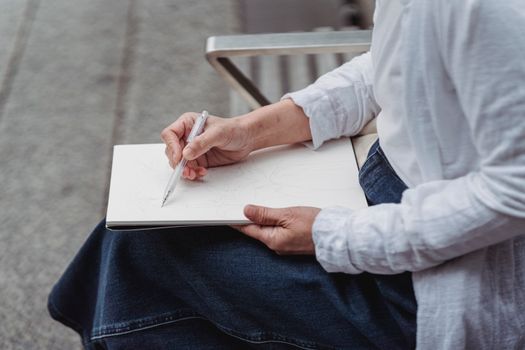 Photo: Greta Hoffman / Pexels
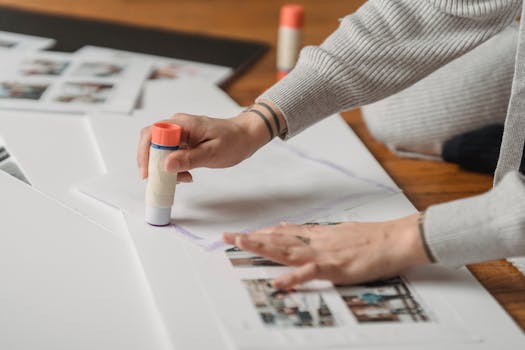 Photo: George Milton / Pexels
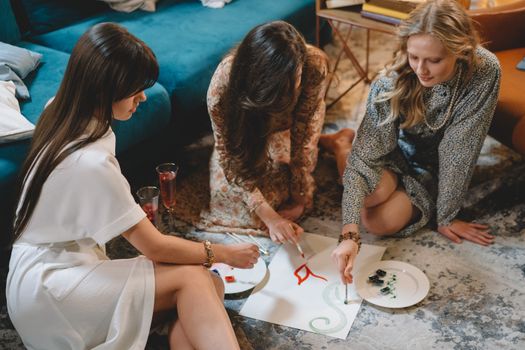 Photo: cottonbro studio / Pexels
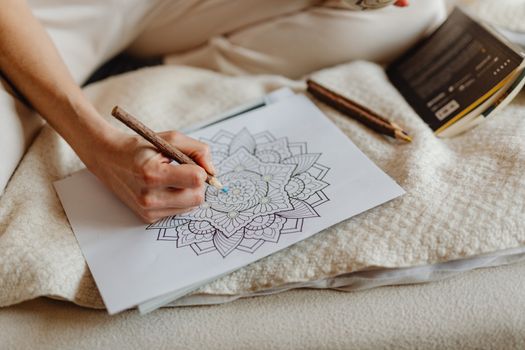 Photo: www.kaboompics.com / Pexels