Unlock Calm: Art Therapy Benefits for Anxiety Explained
art therapy benefits for anxiety

Unlock Calm: Art Therapy Benefits for Anxiety Explained

Explore how engaging in creative processes can significantly alleviate anxiety symptoms and enhance your mental resilience.

Start Your Journey

Key Takeaways

  • ✓ Art therapy provides a non-verbal outlet for complex emotions, often bypassing the need for spoken words.
  • ✓ Engaging in creative activities can lower cortisol levels, reducing physiological stress responses.
  • ✓ It fosters self-discovery and insight into the root causes and triggers of anxiety.
  • ✓ Art therapy can improve coping mechanisms, building resilience against future anxious episodes.

How It Works

1
Initial Assessment & Goal Setting

A qualified art therapist will discuss your anxiety symptoms and personal goals. Together, you'll establish a therapeutic framework tailored to your needs.

2
Creative Exploration & Expression

You'll engage in various art forms – drawing, painting, sculpting – to express feelings and experiences. The focus is on the process, not artistic skill.

3
Reflection & Processing

After creating, you and the therapist will discuss your artwork. This reflective dialogue helps you gain insight into your emotions and thought patterns.

4
Integration & Coping Strategies

The insights gained are then integrated into daily life, developing healthier coping strategies. This empowers you to manage anxiety more effectively outside of sessions.

Understanding Anxiety and the Power of Creative Expression

Female artist deeply engaged in painting at her creative studio workspace. Photo: Andrea Piacquadio / Pexels
Anxiety is a pervasive and often debilitating condition affecting millions across the United States. It manifests not just as psychological distress, but also through physical symptoms like a racing heart, shortness of breath, and muscle tension. While traditional talk therapy and medication are well-established treatments, many individuals seek complementary approaches that offer different pathways to healing and self-discovery. This is where art therapy emerges as a powerful, often underestimated, tool. It provides a unique avenue for individuals to explore their inner world without the pressure of verbal articulation, which can be particularly challenging when grappling with intense anxiety. The very act of creating, whether it's sketching, painting, or sculpting, can serve as a meditative practice, anchoring the individual in the present moment and diverting attention from anxious thoughts. It's not about producing a masterpiece; it's about the process itself – the tactile engagement, the decision-making, the flow state. Exploring different art forms can reveal hidden emotions and perspectives that might remain inaccessible through verbal dialogue alone. For someone overwhelmed by anxiety, finding words to describe their internal turmoil can feel like an impossible task. Art bypasses this verbal barrier, allowing emotions to surface visually and symbolically. A chaotic swirl of colors might represent inner turmoil, while a carefully constructed form could symbolize a desire for control or order. The therapist doesn't interpret the art for the client; instead, they facilitate a dialogue around the art, helping the client uncover their own meanings and insights. This client-centered approach empowers individuals, fostering a sense of agency over their experiences. Moreover, the sensory experience of creating art can be incredibly grounding. The smell of paint, the feel of clay, the sound of a brush on canvas – these elements engage multiple senses, pulling the individual away from abstract worries and into a concrete, present reality. This grounding effect is a crucial art therapy benefit for anxiety, helping to interrupt cycles of rumination and intrusive thoughts. As individuals engage in creative expression, they often experience a reduction in physiological arousal, a calming of the nervous system, and a greater sense of emotional regulation. It's a journey of self-discovery through color, form, and texture, providing a safe space to confront and transform anxieties into something tangible and understandable.

The Therapeutic Mechanisms: How Art Alleviates Anxiety
Stunning abstract fluid art showcasing vibrant swirls and colors, perfect for adding artistic flair. Photo: Landiva Weber / Pexels
The effectiveness of art therapy in addressing anxiety stems from several distinct therapeutic mechanisms that work in concert to promote healing and well-being. Firstly, art provides a non-verbal means of communication. Anxiety often manifests as ineffable feelings, a sense of dread or unease that words fail to capture adequately. When language falls short, art steps in, offering a visual vocabulary for internal states. This can be profoundly liberating for individuals who feel overwhelmed or misunderstood, allowing them to externalize their inner experience in a safe, contained way. The act of externalizing these feelings onto paper or into a sculpture can create a psychological distance, making them less overwhelming and more manageable. It transforms abstract internal distress into a concrete, observable form. Secondly, art therapy facilitates emotional regulation. Engaging in creative activities can be inherently calming and meditative. The focused attention required for artistic creation can induce a flow state, where individuals become deeply immersed in the task at hand, temporarily suspending self-critical thoughts and anxious ruminations. This mindful engagement helps to regulate the nervous system, shifting it from a state of fight-or-flight to one of rest and digest. Studies have shown that creative activities can lower cortisol levels, the body's primary stress hormone, leading to a measurable reduction in physiological stress. This physiological shift is a direct art therapy benefit for anxiety, contributing to a greater sense of calm and well-being. Thirdly, art therapy promotes self-discovery and insight. Through the creative process, individuals often gain new perspectives on their anxieties, triggers, and coping mechanisms. The symbols and metaphors that emerge in their artwork can offer profound insights into unconscious processes and unresolved conflicts. The therapist acts as a guide, helping the client to explore the meaning of their creations, not by interpreting for them, but by posing questions that encourage self-reflection. This collaborative exploration fosters a deeper understanding of one's inner world, empowering individuals to identify patterns of thought and behavior that contribute to their anxiety. Finally, art therapy builds coping skills and resilience. As individuals experiment with different materials and techniques, they develop problem-solving skills and learn to tolerate ambiguity and imperfection. The process of starting a piece, encountering challenges, and finding solutions mirrors the challenges of life. Successfully navigating these artistic 'problems' can boost self-efficacy and confidence, translating into improved coping abilities in real-world anxious situations. Creating something tangible, even if it's just a small sketch, can instill a sense of accomplishment and control, crucial elements for individuals battling anxiety. These combined mechanisms make art therapy a holistic and powerful approach to managing and overcoming anxiety.

Diverse Art Forms and Their Specific Anxiolytic Effects
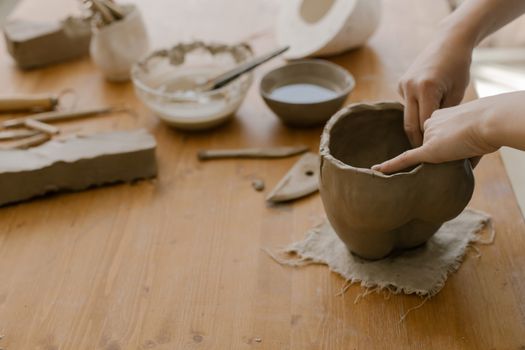
Close-up of hands molding clay into a pot, showcasing artistry and craftsmanship on a wooden tabletop. Photo: cottonbro studio / Pexels
One of the remarkable aspects of art therapy as a treatment for anxiety is its versatility, offering a wide array of art forms, each with its unique anxiolytic properties. This diversity allows therapists to tailor interventions to individual preferences, comfort levels, and specific anxiety manifestations. For instance, drawing and sketching are highly accessible and can be incredibly grounding. The repetitive motion of a pencil on paper, the focus on lines and shapes, can create a meditative effect, helping to quiet a racing mind. Doodling, often dismissed as idle, can be a powerful tool for self-soothing and processing unconscious thoughts, offering a low-pressure entry point into creative expression. Drawing mandalas, with their intricate, symmetrical patterns, can be particularly effective for promoting focus and reducing mental chatter. Painting, whether with watercolors, acrylics, or oils, offers a different kind of freedom and emotional release. The fluidity of paint and the vibrant colors can be deeply expressive. Splashing colors on a canvas can be a cathartic way to release pent-up emotions, while carefully blending hues can be a calming, mindful activity. The ability to mix and blend colors can also symbolize the integration of conflicting feelings, helping individuals to find harmony within their emotional landscape. For those who find verbal expression particularly challenging, painting can provide an immediate and visceral outlet for deep-seated anxieties. Sculpture and working with clay or other malleable materials engage the tactile senses in a profound way. The act of molding, shaping, and building with one's hands can be incredibly grounding and stress-reducing. It allows individuals to physically manifest their feelings, giving form to what might otherwise feel formless and overwhelming. The resistance of the material can also be symbolic of overcoming internal struggles, fostering a sense of mastery and control. The three-dimensional nature of sculpture can help individuals to explore different perspectives on their anxiety, literally viewing it from various angles. Collage, the process of assembling various materials and images, offers a unique way to construct narratives and explore identity in relation to anxiety. It can be less intimidating for those who feel they lack artistic skill, as it focuses on arrangement and symbolism rather than drawing technique. By selecting and arranging images, individuals can create a visual story of their anxiety, their challenges, and their hopes for coping. This can lead to significant insights into underlying fears and desires. Experimenting with different mediums is crucial for discovering what resonates most deeply. Beyond these, digital art, photography, and even textile arts like knitting or weaving can also be integrated into art therapy, each offering distinct benefits for anxiety reduction through their unique sensory engagement and creative processes. The key is the intentional, therapeutic application of these creative acts, guided by a trained professional, to unlock their full potential for emotional healing and anxiety management.

Practical Tips for Integrating Art into Your Anxiety Management Routine
Close-up of an artist's easel and tools in a creative studio atmosphere. Photo: Julia Avamotive / Pexels
Integrating art into your daily or weekly routine doesn't require artistic talent or a dedicated studio; it simply requires a willingness to explore and experiment. Here are some practical tips to help you harness the art therapy benefits for anxiety: * **Start Small and Simple:** Don't feel pressured to create a masterpiece. Begin with simple activities like doodling, coloring in a coloring book (especially adult coloring books designed for stress relief), or making abstract marks on paper. The goal is engagement, not perfection. * **Dedicate a 'Creative Space' (Even a Corner):** Designate a small area in your home where you can comfortably create. This doesn't need to be elaborate – a clean desk or even a specific chair can signal to your brain that it's time for creative expression. Having materials readily accessible reduces friction. * **Experiment with Materials:** Don't stick to just one medium. Try pencils, pastels, watercolors, clay, or even digital art apps. Different materials offer different sensory experiences and can evoke varied emotional responses. You might find one medium more soothing or expressive than others. * **Focus on the Process, Not the Product:** This is perhaps the most crucial tip. Release the expectation of creating something 'good.' The therapeutic value lies in the act of creation itself – the tactile sensations, the focus, the emotional release – not in the final appearance of your artwork. Let go of self-criticism. * **Schedule 'Art Time':** Just like any other self-care activity, make time for art. Even 15-30 minutes a few times a week can make a significant difference. Treat it as a non-negotiable appointment with yourself. * **Journal Alongside Your Art:** After creating, take a few minutes to jot down any thoughts, feelings, or insights that arose during or after the process. This can help solidify the connections between your art and your emotional state, deepening the therapeutic impact. * **Consider a Professional:** While self-guided art exploration is beneficial, working with a certified art therapist can provide structured guidance, deeper insights, and professional support tailored to your specific anxiety challenges. They can help you interpret your work and develop personalized coping strategies. * **Avoid Comparison:** In today's digital age, it's easy to compare your work to others. Remember that your art is for *you* and your healing journey. There's no right or wrong way to express yourself. By incorporating these tips, you can effectively integrate creative expression into your life, leveraging the profound benefits of art for managing and reducing anxiety.

Comparison

FeatureArt TherapyTraditional Talk TherapyMindfulness MeditationMedication
Expression MethodNon-verbal, VisualVerbalInternal, SensoryPhysiological
FocusProcess & InsightCognitive & BehavioralPresent MomentSymptom Management
Creative Outlet
Self-DiscoveryDeep, SymbolicDirect, AnalyticalObservationalIndirect
AccessibilityVaries by therapistWidely availableSelf-guided/appsPrescription needed
Side EffectsMinimal (emotional processing)Minimal (emotional processing)NonePotential side effects

What Readers Say

"Art therapy has been a revelation for my chronic anxiety. I used to struggle to put my feelings into words, but with painting, I can express the swirling chaos inside me and then talk about it more clearly. It's incredibly grounding and has brought me so much peace."

Sarah J. · Austin, TX

"I was skeptical at first, but the art therapy benefits for anxiety are real. Working with clay helps me release tension in a way nothing else does. My therapist helps me understand what my creations mean, and it's given me new tools to manage my panic attacks."

Mark D. · Portland, OR

"After months of feeling overwhelmed, my art therapist guided me through creating a 'safe space' collage. It was transformative. I now have a visual representation of calm that I can return to whenever anxiety creeps in, reducing my daily stress significantly."

Emily R. · Chicago, IL

"While it's not a magic bullet, art therapy has definitely been a valuable addition to my anxiety management. I still have anxious days, but the consistent practice of drawing helps me process emotions before they become overwhelming. It's a gentle but powerful approach."

David L. · Miami, FL

"As a busy professional, I thought I didn't have time for art. But even 30 minutes of abstract painting has become my sanctuary. It's a non-judgmental space where I can just be, and that calm carries over into my work and personal life, directly addressing my anxiety."

Jessica M. · Denver, CO

Frequently Asked Questions

What kind of art do you do in art therapy for anxiety?

Art therapy for anxiety encompasses a wide range of mediums, including drawing, painting, sculpting with clay, collage, mask-making, and even digital art. The specific form chosen often depends on your comfort level, the therapist's approach, and the emotions you're exploring, with the emphasis always on the process of creation over artistic skill.

Do I need to be artistic to benefit from art therapy?

Absolutely not. One of the greatest misconceptions about art therapy is that artistic talent is required. The focus is entirely on the therapeutic process and self-expression, not on producing aesthetically pleasing art. Anyone, regardless of their perceived artistic ability, can benefit from art therapy.

How do I find a qualified art therapist?

To find a qualified art therapist, look for individuals who are board-certified (ATR-BC in the U.S.) by the Art Therapy Credentials Board (ATCB). You can search their directories or ask for referrals from mental health professionals. Ensure they are licensed in your state if applicable.

Is art therapy covered by insurance, and what is the typical cost?

Coverage for art therapy varies. Some insurance plans do cover it, especially if it's provided by a licensed mental health professional who is also an art therapist. It's best to contact your insurance provider directly to inquire about coverage. The cost per session can range from $75 to $200+, depending on location, therapist's experience, and session length.

How does art therapy compare to traditional talk therapy for anxiety?

While both aim to reduce anxiety, art therapy offers a non-verbal, experiential approach, allowing emotions to be expressed visually when words are difficult. Talk therapy primarily relies on verbal processing and cognitive restructuring. Art therapy can complement talk therapy, providing a deeper, more holistic path to understanding and managing anxiety.

Who specifically should consider art therapy for anxiety?

Art therapy is particularly beneficial for individuals who struggle with verbalizing their emotions, those who experience trauma, children and adolescents, or anyone seeking an alternative or complementary approach to traditional therapy. It's also great for people who enjoy creative expression and want to use it for self-discovery and stress reduction.

Are there any risks or downsides to art therapy for anxiety?

Generally, art therapy is considered a safe and low-risk intervention. However, engaging with deep emotions through art can sometimes be intense or bring up difficult memories. A qualified art therapist is trained to create a safe environment and guide you through these processes, ensuring emotional safety and support.

What's the future outlook for art therapy as a treatment for anxiety?

The future of art therapy for anxiety is promising, with increasing recognition in the medical and mental health communities. Research continues to validate its efficacy, and its integration into holistic wellness programs, hospitals, and community mental health centers is expanding. Digital art therapy platforms are also emerging, increasing accessibility for many.

Ready to transform your anxiety into a pathway for self-discovery and calm? Explore the profound art therapy benefits for anxiety by connecting with a qualified professional today. Your journey to emotional well-being through creative expression awaits.

Topics: art therapy benefits for anxietycreative expression for anxietystress reduction artmental health art therapyemotional well-being art
Leo List

DK Escorts LU Escorts AT Escorts SE Escorts FI Escorts CH Escorts DE Escorts HR Escorts IE Escorts GR Escorts CZ Escorts NO Escorts BE Escorts FR Escorts SI Escorts IL Escorts NL Escorts PL Escorts HU Escorts ES Escorts IT Escorts PT Escorts SK Escorts RO Escorts ZA Escorts UY Escorts US Escorts UK Escorts NZ Escorts AU Escorts
Brampton weed
Adultwork EstrelaBet Vai de Bet R7 Bet Betão Galera Bet Rainbet Bet9ja Shop SportyBet BetKing Sisal Loto Foot Hollywoodbets YesPlay Odibets RushBet Jugabet BetWarrior BetCity MSport betPawa Fortebet